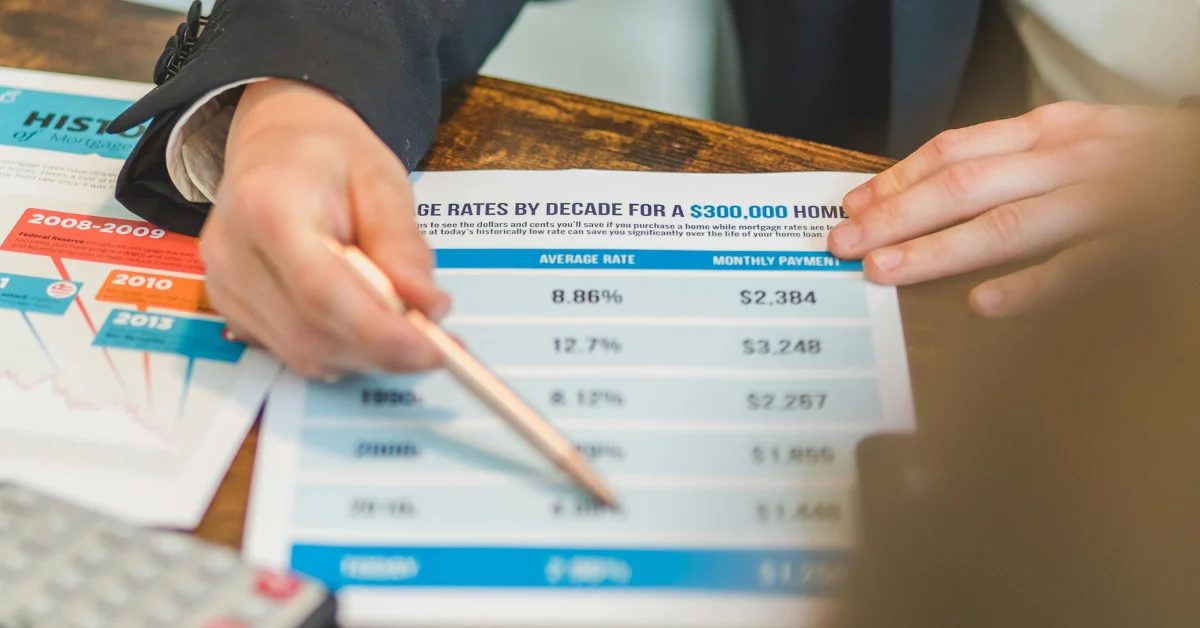
15-Year Mortgage Refinance Rates Compared: Is It Worth Switching?
15-year refinance rates are usually lower, helping homeowners save on interest and pay off loans faster. However, higher monthly payments mean this option works best for borrowers with stable income and long-term plans.

Comparing 15-year mortgage refinance rates helps homeowners figure out if refinancing into a shorter term makes sense and how much it actually saves over time.
Shorter-term refinances often offer lower interest rates than 30-year options, but they also come with higher monthly payments.
Understanding how today’s average rates compare and what factors influence them, gives you a clearer picture of whether a 15-year refinance supports your financial goals.
How 15-Year Refinance Rates Compare to 30-Year Rates
Generally, 15-year mortgage refinance rates are lower than comparable 30-year fixed refinance rates because lenders take on less long-term risk.
Shorter amortization means the lender receives principal back sooner, which historically correlates with lower pricing.
That’s why many homeowners compare 30-year vs 15-year refinance scenarios before moving forward not just rate to rate but total interest cost and payment impact.
National Averages for 15-Year Refinance Rates
Current 15-year refinance rates usually sit a few tenths of a percentage point below average 30-year fixed refinance rates.
These averages provide context, but they are benchmarks, not personal offers. Your actual rate will depend on lender pricing, credit profile, equity, and loan structure.
Always pair rate comparisons with personalized refinance quotes.
How Credit Score Affects 15-Year Refinance Rates
Credit score impacts your refinance rate regardless of term length, but with 15-year refinances because they already carry lower base rates the difference tied to credit tiers can be particularly meaningful.
Homeowners with stronger scores often qualify for the lowest 15-year rates, while those with weaker profiles may still benefit, just at slightly higher pricing.
Loan-to-Value (Equity) and Its Effect on Pricing
Loan-to-value (LTV) plays a similar role in 15-year refinance pricing as in other refinances. Lower LTV (more equity) usually means better rates.
Higher LTV can push you into tier pricing that adds rate points, even on a 15-year structure.
This is especially important if you’re considering a cash-out refinance; increasing your balance could raise your cost relative to the lowest available 15-year rates.
Conventional vs Government-Backed 15-Year Refinance Rates
While conventional refinances typically offer the most competitive 15-year refinance rates for borrowers with strong profiles, government-backed programs such as FHA refinance or VA refinance options also exist.
These programs may allow lower credit limits or unique eligibility, but program-specific fees and insurance may affect the effective cost even if the headline rate appears low.
How Closing Costs Influence Rate Comparisons
Comparing 15-year refinance rates without looking at closing costs can be misleading. Some lenders offer attractive rates but offset them with higher fees.
When comparing rates, include closing costs and calculate your break-even point to understand whether the rate savings justify the upfront expense.
Reviewing refinance closing costs alongside rates gives you a full picture.
Monthly Payment Differences With 15-Year Refinance Rates
Lower rates on 15-year refinances usually reduce total interest paid but increase monthly payments compared to 30-year options. Homeowners should compare:
- Higher monthly payment vs
- Lower total interest and shorter payoff timeline
This balance between affordability and savings is why many compare multiple refinance options before choosing.
When 15-Year Refinance Rates Make the Most Sense
A 15-year refinance is often most beneficial when:
- You have stable income
- You can afford higher monthly payments
- Your goal is to pay off the mortgage faster
- You want to minimize total interest paid
Comparing personalized refinance quotes not just averages, shows whether today’s rates support these goals realistically.
How Market Conditions Influence Rate Differences
Mortgage rates are tied to broader economic factors, including bond yields, inflation expectations, and monetary policy.
Short-term and long-term rates can move differently depending on economic conditions.
Understanding how refinance interest rates today vs last year have shifted helps you interpret whether current 15-year refinance rates make sense given where the market is headed.
Conclusion
Lower 15-year refinance rates can produce significant long-term savings, but they come with trade-offs in monthly payment size and budgeting flexibility.
Comparing rates against your current mortgage, closing costs, and financial goals, rather than looking at averages in isolation gives you a clearer sense of whether refinancing into a 15-year structure really benefits you.
With the right context and personalized quotes, comparing 15-year mortgage refinance rates helps you choose the structure that best aligns with your homeownership and financial plans.
Mortgage Calculator
Recommended Mortgage Tools
Refinance Break-Even Calculator
See how long it takes to recover refinance costs.
Debt-to-Income Ratio Calculator
Check if your income supports mortgage approval.
Refinance Readiness Checker
Find out if now is the right time to refinance.
Mortgage Eligibility Checker
Quickly see if you qualify for a home loan.
First-Time Buyer Readiness
Know if you're ready to buy your first home.
Mortgage Pre-Approval Calculator
Estimate how much you can borrow instantly.
Next Read
Featured Mortgage Insights
Many families are delaying home loan decisions as rising housing costs, mortgage rate uncertainty, and long-term financial commitments create hesitation. Buyers are taking more time to evaluate affordability, savings stability, and future financial risks before committing to homeownership.

Featured Mortgage Insights
Mortgage rates may appear stable, but buyer behavior continues to evolve as affordability concerns and long-term financial planning influence homeownership decisions. Buyers are reassessing budgets, loan choices, and purchase timing despite consistent borrowing conditions.
Featured Mortgage Insights
Mortgage payments often feel like they should stay the same forever, especially if you have a fixed-rate loan. But..



About the Author: Ratiranjan Singha

Don’t Miss These