
The Right Way to Budget for Travel (Simple Method)
A simple travel budget can help you avoid overspending and enjoy your vacation with confidence. Learn an easy step-by-step method to estimate travel expenses, save money, and stay financially prepared.

Your Money Snapshot
Find out where your money goes, what you can afford, and where you may have opportunities to save or grow your money.
Your Monthly Money
Let's start with the money coming in each month.
Your Essential Expenses
Enter the major expenses you usually pay each month.
Your Lifestyle & Goals
Tell us how you spend money and what you want to achieve.
Your Money Snapshot
Your Money Health
Your Biggest Expense
💡 Your Potential Savings Opportunity
Here's what reducing your lifestyle spending could potentially free up.
📈 What Your Money Could Do Over Time
💼 What If You Earned Extra Money?
See how extra monthly income could change your financial flexibility.
Your Travel Potential
🎯 Your Personalized Money Insights
This tool provides general estimates for educational purposes and is not financial advice. Your actual financial situation may vary.
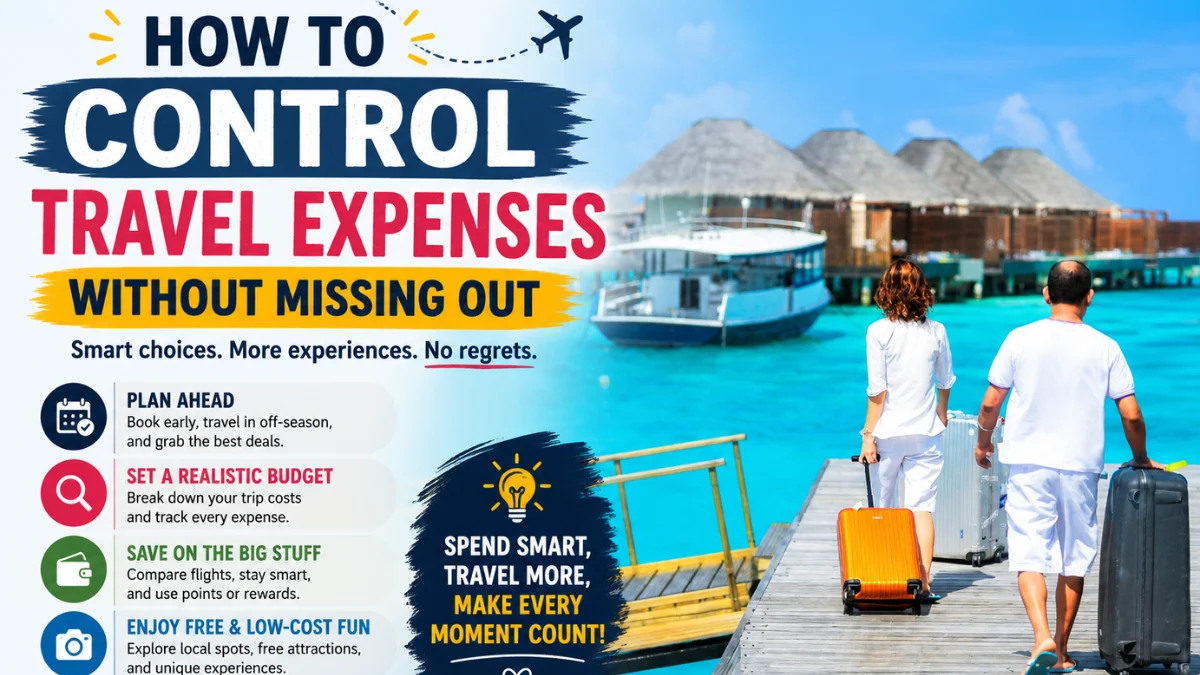
A memorable vacation doesn’t have to leave you with financial stress. The key is creating a realistic travel budget before you book your trip.
Many travelers underestimate their expenses by focusing only on flights and hotels, only to discover later that transportation, meals, entertainment, and unexpected costs quickly push them over budget.
The good news is that budgeting for travel doesn’t have to be complicated. By following a simple method and planning each expense in advance, you can enjoy your trip without constantly worrying about money.
Whether you’re traveling alone, with family, or internationally, a well-planned vacation budget helps you spend wisely while making the most of your experience.
Creating a budget before you travel isn’t about limiting your fun, it’s about giving yourself financial freedom.
When you know where your money is going, you can enjoy your trip with fewer surprises and greater peace of mind.
Start by Deciding Your Total Travel Budget
The first step is determining how much money you can comfortably spend without affecting your regular financial responsibilities.
Consider your savings, monthly expenses, and upcoming bills before setting your vacation budget. Avoid choosing a destination first and trying to make your finances fit afterward.
Instead, establish your spending limit and plan a trip that matches your budget. This simple approach reduces financial pressure and helps you travel more confidently.
Break Your Budget Into Spending Categories
Instead of treating your vacation as one large expense, divide your travel budget into smaller categories.
Include airline tickets, accommodation, transportation, food, sightseeing, travel insurance, shopping, and emergency funds.
Breaking expenses into categories makes it easier to track your spending and identify areas where you can reduce costs.
It also prevents one category from consuming a large portion of your vacation budget before your trip even begins.
Research Prices Before You Book
One of the easiest ways to reduce travel expenses is to compare prices before making reservations.
Check multiple websites for flights, hotels, rental cars, and attractions to find the best value. Booking early often provides lower prices and more options.
Remaining flexible with travel dates or nearby airports can also help reduce airfare and accommodation costs, allowing you to stretch your budget further without sacrificing your travel experience.
Include Hidden Travel Expenses
Many travelers forget to budget for costs that don’t appear in the initial booking price.
Airport transportation, baggage fees, city taxes, resort fees, mobile roaming charges, parking, tips, and travel insurance can significantly increase your total vacation expenses.
Adding these hidden travel costs to your budget ensures you have a more accurate estimate of what your trip will actually cost and helps prevent unpleasant surprises later.
Build a Small Emergency Fund
Unexpected situations can happen during any trip. Flight cancellations, medical emergencies, lost luggage, or sudden itinerary changes may require additional spending.
Setting aside a small emergency fund gives you financial flexibility without disrupting your vacation.
Even a modest reserve can help cover unexpected expenses and reduce the need to rely on credit cards or last-minute borrowing while traveling.
Track Your Spending During the Trip
Creating a budget is only the beginning, you also need to follow it. Keep track of your daily spending using a notebook, budgeting app, or your phone’s notes.
Recording expenses for meals, transportation, entertainment, and shopping helps you stay aware of your remaining budget.
Monitoring your spending each day makes it easier to adjust your plans if necessary and prevents overspending before your vacation ends.
Use Financial Tools to Plan Responsibly
If you’re saving for a future vacation or estimating travel costs, financial planning tools can be extremely helpful.
A Loan Calculator allows you to estimate repayment amounts before borrowing for major expenses, while a Personal Loan Calculator helps you understand how monthly payments fit within your overall budget.
These tools encourage responsible financial decisions and help you avoid taking on unnecessary debt for discretionary travel.
Review Your Budget After the Trip
Once you return home, compare your planned budget with your actual spending.
Identify which categories stayed within budget and which exceeded your expectations. This review helps you understand your travel spending habits and improves future vacation planning.
Each trip becomes a valuable learning experience, allowing you to create even more accurate travel budgets and make smarter financial decisions for your next adventure.
Conclusion
The right travel budget doesn’t require complicated spreadsheets or advanced financial knowledge.
By setting a realistic spending limit, organizing expenses into categories, researching prices, preparing for hidden costs, and tracking your spending throughout your trip, you can travel confidently without financial stress.
Smart budgeting allows you to enjoy memorable experiences, avoid unnecessary debt, and make every vacation more affordable, ensuring your travels create lasting memories rather than lasting financial worries.








About Us
We're MortgageRatesChecker, a trusted mortgage information resource focused on helping consumers navigate home buying, refinancing, mortgage rates, and loan options with confidence. We simplify complex mortgage topics through expert-written guides, calculators, and educational content designed to support informed financial decisions. Explore our mortgage calculators, guides, and resources.
Disclaimer
MortgageRatesChecker provides educational mortgage calculators, loan tools, and financial guides designed to help you better understand home financing. Our content is researched, fact-checked, and regularly updated in accordance with our Editorial Policy, using trusted information from our Data Sources and transparent methodologies explained in How We Calculate. Learn more about our commitment to accuracy on Why Trust Us. This content is provided for informational purposes only and should not be considered financial, legal, tax, investment, or mortgage advice. Mortgage rates, lending requirements, loan programs, and regulations may change without notice. Before making any borrowing, refinancing, or home-buying decision, consult your Bank or Mortgage Lender, licensed financial advisor, tax professional, or attorney based on your individual circumstances. MortgageRatesChecker is an independent educational resource and is not a lender, mortgage broker, financial advisor, or government agency. Please review our Affiliate Disclosure, Advertiser Disclosure, Disclaimer, and Terms & Conditions for additional information.