Closing costs can confuse first-time buyers because they aren’t paid all at once.
Many people think closing costs are only due on closing day, but some parts of the process require money much earlier.
Understanding when buyers pay closing costs during the home buying process helps you avoid delays, budget correctly, and prevent last-minute surprises right before getting your keys.
Home buying involves multiple parties and services that happen at different stages.
Some costs are paid early because third-party services like inspections and appraisals require payment before work is completed.
Other costs, like lender fees, title fees, and prepaid escrow deposits, are bundled into the final closing amount and paid at settlement.
Earnest Money Is Paid Soon After the Offer Is Accepted
One of the first payments buyers make is earnest money. Earnest money is not technically a closing cost, but it becomes part of your total cash-to-close.
It’s a deposit that shows the seller you are serious about buying. This payment is typically made shortly after the seller accepts your offer, often within 1 to 3 business days.
Earnest money is held in escrow until closing and is applied toward your down payment or closing costs. If you back out for a reason not covered by your contract, you may lose it.
Buyers should treat earnest money as money that will be tied up until closing. This is why buyers must plan liquidity carefully, especially if they are using gift funds or assistance programs for the rest of the purchase.
If you’re unsure how much cash you need upfront, a down payment calculator can help estimate your total cash-to-close more accurately.
Home Inspection Fees Are Paid Early (Usually Out of Pocket)
Home inspection fees are usually paid early in the buying process, often within the first week after your offer is accepted.
Inspectors typically require payment at the time of service. This cost is paid directly by the buyer and is not rolled into the mortgage.
Inspection costs vary by location but are usually a few hundred dollars. Buyers sometimes pay extra for specialized inspections such as termite checks, radon testing, sewer line inspections, or structural evaluations.
Even though inspections are not part of final settlement fees, they are part of the true cost of buying a home. Buyers should never skip inspections just to save money because hidden problems can cost thousands later.
Understanding hidden home buying costs helps buyers budget realistically beyond just the mortgage payment.
What To Read Next

The Appraisal Fee Is Often Paid Before Final Loan Approval
The appraisal fee is usually paid after you apply for the mortgage but before the loan is fully approved. Many lenders require the appraisal fee upfront, or they may charge it through a credit card early in the underwriting process.
The appraisal confirms the home’s market value so the lender knows the property is worth the amount being financed.
If the home appraises lower than the purchase price, buyers may need to renegotiate or bring extra cash. That’s why appraisal timing is important, it can change the entire deal.
Appraisal costs are considered part of the overall closing cost package, but they’re often paid before closing.
Buyers should prepare for this early expense, especially if they’re already stretching their savings.
If you want to understand how much home you can afford safely, reading how much house can I really afford can help you avoid deals that become risky when appraisal issues appear.
Loan Application Fees and Credit Report Fees May Be Paid Upfront
Some lenders charge loan application fees, processing fees, or credit report fees early in the mortgage process. These are typically small compared to total closing costs, but they still matter.
In many cases, lenders roll these into the final closing amount, but certain lenders collect them upfront as part of the application process.
This is why buyers should always ask for a Loan Estimate and clarify which costs are due immediately.
Not all lenders operate the same way. Buyers who compare lenders often save money by choosing the one with lower upfront fees.
If you want to estimate how lender fees affect your loan cost, using a mortgage calculator can help compare payment differences when closing costs change.
Prepaid Homeowners Insurance Is Often Paid Before Closing
Most lenders require you to purchase homeowners insurance before closing. Buyers usually pay the first year of insurance premium upfront before the closing appointment.
Proof of insurance is required so the lender knows the home is protected from day one.
This payment is sometimes included in the final closing costs, but many insurance providers require the premium to be paid before the policy becomes active.
Buyers often feel surprised because they expected insurance to be part of the monthly mortgage payment only. Even though escrow will pay insurance later, the first payment is often upfront.
This is why calculating full costs with a mortgage calculator with taxes and insurance is important when budgeting. Homeowners insurance is a required expense, not optional.
Final Closing Costs Are Paid on Closing Day (Cash to Close)
Most closing costs are paid at the final closing appointment.
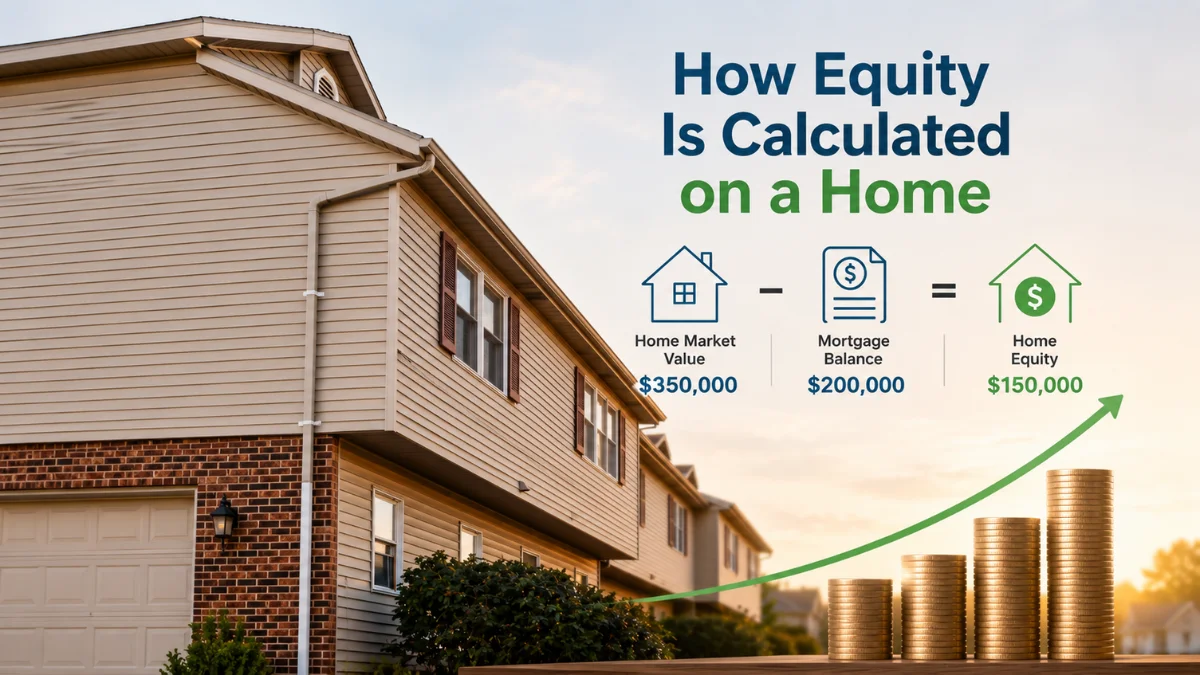
This is called “cash to close,” and it includes your remaining down payment, lender fees, title fees, escrow setup, prepaid taxes, and other settlement costs.
Buyers typically pay this amount using a wire transfer or cashier’s check.
The exact amount is confirmed a few days before closing in the Closing Disclosure document.
Buyers should review it carefully because the number can change slightly from the original estimate. If the buyer is using seller concessions, that credit will reduce the cash-to-close.
Buyers should avoid moving money around during this time because lenders verify funds.
If you want to understand what’s included in the final cash-to-close amount, reading closing costs explained helps clarify what you’re really paying for at settlement.
Some Closing Costs Are Paid After Closing Through Escrow
Even after closing, some costs continue through your monthly payment. If your mortgage includes escrow, your lender collects money each month for property taxes and insurance.
Those costs are not fully “paid” at closing, but closing requires an initial escrow deposit to start the account.
This is why buyers sometimes see higher monthly payments after closing if taxes or insurance increase. Even if you have a fixed-rate mortgage, escrow costs can rise.
This is why buyers should plan beyond just the mortgage principal and interest.
Understanding what homeowners pay besides the mortgage helps buyers see the full long-term cost of owning a home, not just closing day expenses.
Closing Costs Can Shift Depending on Negotiation and Timing
Closing cost timing is not always the same for every buyer because negotiations can change the cash flow.
For example, if the seller agrees to pay part of the closing costs, your cash-to-close may be lower. If the closing date changes, prepaid interest and escrow deposits may change as well.
Some buyers also choose lender credits to reduce closing costs upfront, but that often comes with a slightly higher interest rate.
This decision depends on how long you plan to stay in the home. If you plan to refinance later, you might choose lower upfront costs.
Tracking mortgage rates today can help buyers decide whether paying points or taking credits makes more sense. Timing impacts both costs and strategy.
Frequently Asked Questions
Conclusion
Buyers pay closing costs throughout the home buying process, but the largest portion is paid on closing day. Early expenses include earnest money, inspections, appraisal fees, and sometimes lender processing fees.
Homeowners insurance is often paid before closing, while the final “cash to close” covers the remaining lender, title, and escrow costs at settlement.
Understanding when these payments happen helps buyers budget correctly and avoid stressful last-minute surprises.
To estimate cash-to-close, compare affordability, and plan your mortgage the smart way, visit Mortgage Rates Checker for trusted guidance and powerful homebuyer tools.