Affordability Costs for Home Buyers
This page is for first-time home buyers who are trying to understand how much money they really need upfront to buy..
This page is for first-time home buyers who are trying to understand how much money they really need upfront to buy a home.
If you’re confused about down payment requirements, worried you haven’t saved enough, or surprised by additional costs beyond the purchase price, this hub is designed to help you plan realistically and avoid last-minute stress.
It supports the broader First Time Home Buyer Guide by focusing on upfront cash requirements, one of the most common sources of anxiety for new buyers. For calculators, tools, and broader market context, you can always return to the mortgage rates checker homepage.
What Upfront Costs Actually Include
Many first-time buyers assume the down payment is the only major upfront expense.
In reality, buying a home involves multiple cash components, including closing costs, prepaid expenses, and reserves. Misunderstanding these costs often leads buyers to delay purchases unnecessarily or feel unprepared at closing.
This stage is about understanding how down payments and closing costs work together, what lenders typically require, and which costs are flexible versus non-negotiable.
How the Down Payment and Cost Guides in This Section Differ
Some resources focus on how much down payment first-time buyers truly need, helping separate lender minimums from common myths. Others specifically address misconceptions about down payments, explaining why many buyers overestimate required savings.
There is also guidance that breaks down closing costs, explaining what they include, when they’re paid, and why they can vary.
Additional resources explore assistance programs, helping buyers understand when help with down payment and closing costs is available and what trade-offs may exist.
Finally, some guidance evaluates no-down-payment mortgage options, explaining when they’re helpful and when they may increase long-term costs.
Each guide answers a different upfront-cost question, allowing you to focus on what’s most relevant to your situation.
Guided Topics You Can Explore
To set expectations, how much down payment buyers really need explains realistic minimums. To challenge assumptions, down payment myths addresses common misunderstandings.
For a full picture, closing costs explained outlines fees many buyers don’t anticipate.
If savings are limited, help with down payment and closing costs explores available support. To evaluate zero-down options carefully, no down payment mortgages explains benefits and risks.
How This Fits Into the Bigger Picture?
Understanding upfront costs helps you plan with confidence instead of fear. When you know how down payments and closing costs actually work, you can prepare smarter, approach lenders with clarity, and move forward confidently within the First Time Home Buyer Guide without unnecessary delays or surprises.
Mortgage Calculator
Recommended Mortgage Tools
Refinance Break-Even Calculator
See how long it takes to recover refinance costs.
Debt-to-Income Ratio Calculator
Check if your income supports mortgage approval.
Refinance Readiness Checker
Find out if now is the right time to refinance.
Mortgage Eligibility Checker
Quickly see if you qualify for a home loan.
First-Time Buyer Readiness
Know if you're ready to buy your first home.
Mortgage Pre-Approval Calculator
Estimate how much you can borrow instantly.
Related Posts
Featured Mortgage Insights
Home loans are increasingly influencing the types of properties buyers choose across housing markets. Mortgage affordability, interest rates, and long-term payment considerations are pushing buyers to adjust expectations and select homes that better align with financial stability.

Featured Mortgage Insights
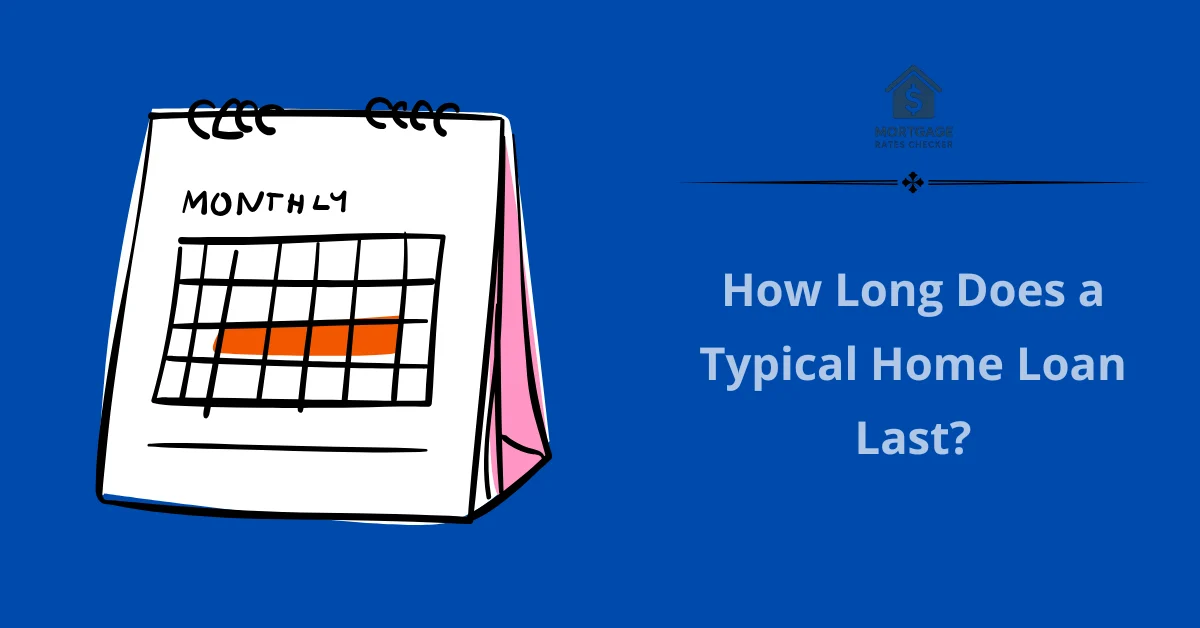
Most home loans last 15 to 30 years, but your loan term directly impacts your interest rate and monthly payments. Shorter terms usually offer lower rates and faster payoff, while longer terms provide flexibility and lower monthly costs.

Featured Mortgage Insights
Mortgage forbearance is a relief option many homeowners overlook until financial pressure becomes difficult to manage. During temporary hardship, mortgage forbearance may allow borrowers to pause or reduce payments for a limited time, helping them stabilize their finances while avoiding missed mortgage payments.


About the Author: Ratiranjan Singha