Auto Loan Pre-Approval Explained: Why It Matters Before You Buy
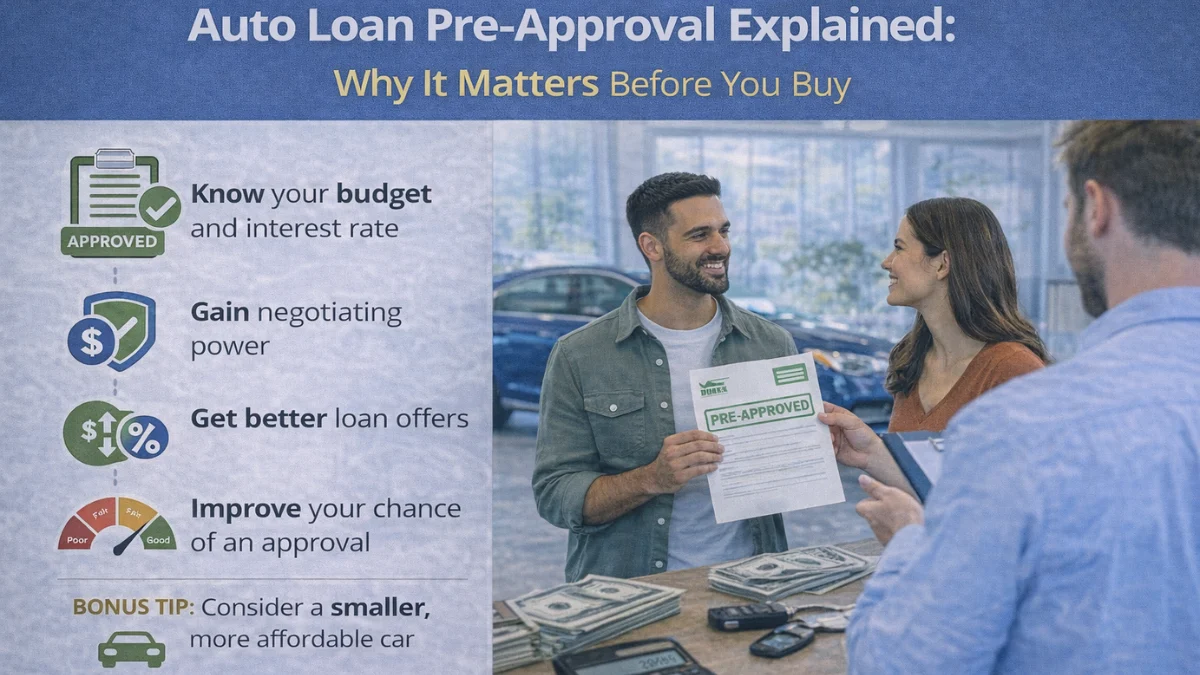
Auto loan pre-approval is one of the smartest steps you can take before buying a car.
It helps you understand your budget, secure better interest rates, and avoid dealership pressure.
Knowing how pre-approval works can save you money and make your car-buying experience smoother.
What Is Auto Loan Pre-Approval and How Does It Work?
Auto loan pre-approval is when a lender evaluates your financial profile and gives you a conditional offer before you choose a car.
This includes an estimated loan amount, interest rate, and terms based on your credit score, income, and debts.
Unlike final approval, pre-approval is not tied to a specific vehicle but gives you a clear borrowing range.
This helps you shop with confidence and avoid overspending.
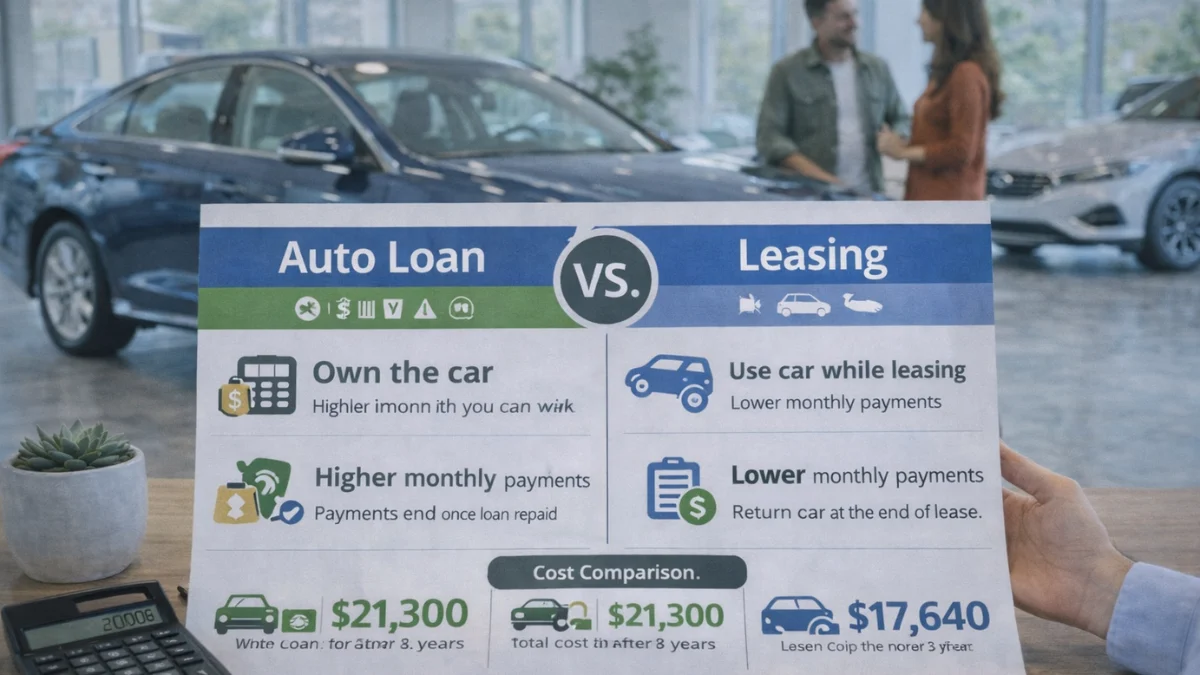
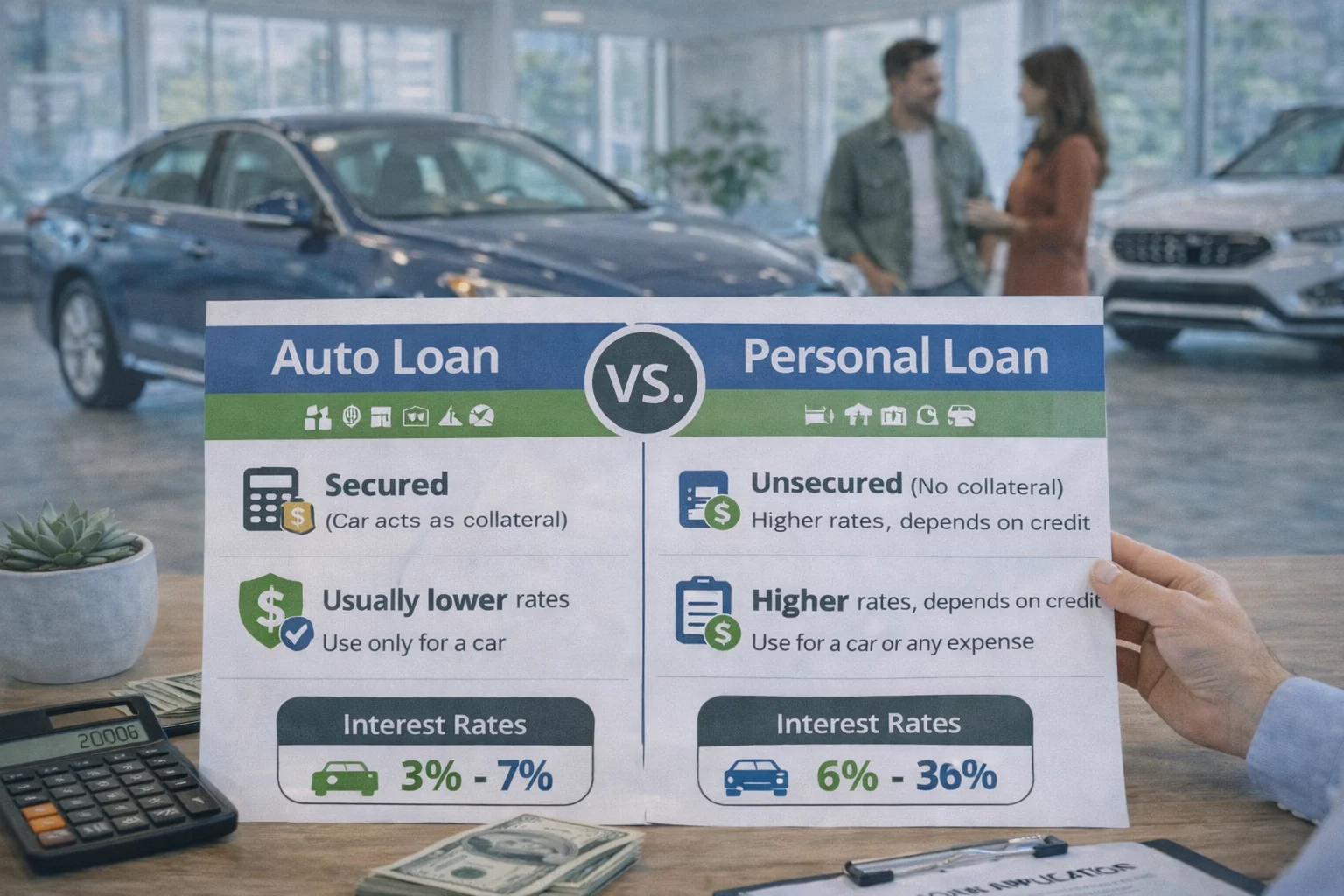
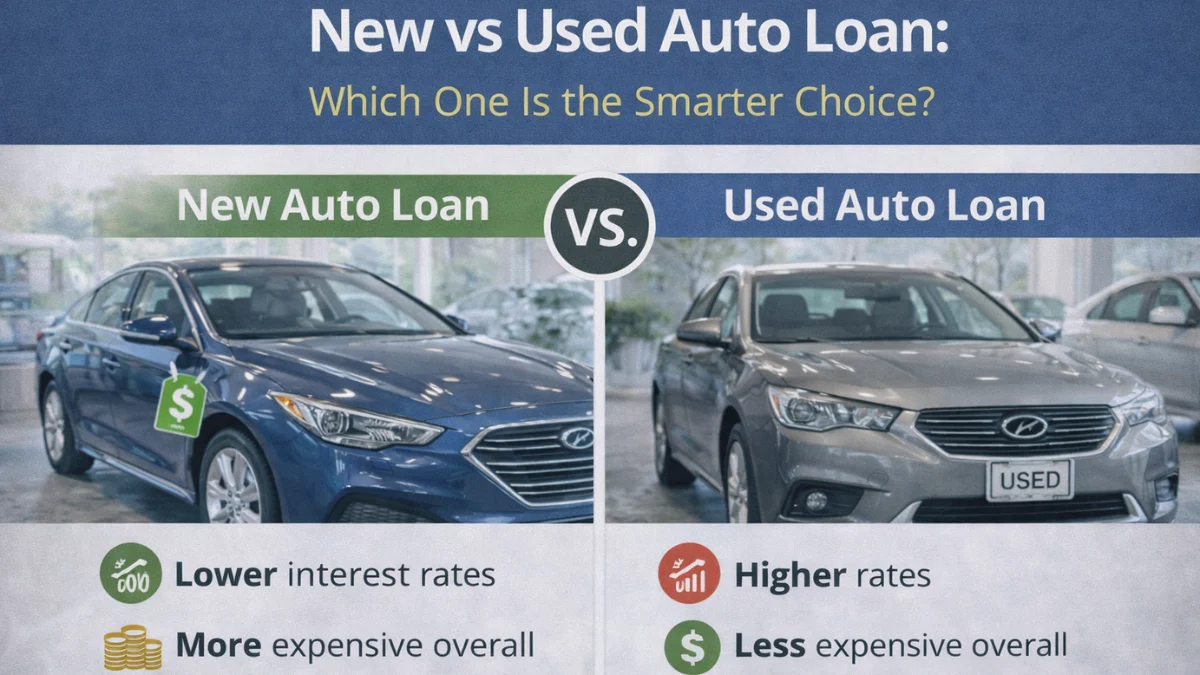
Understanding how auto loans work helps you see why pre-approval is a crucial first step in the car-buying process.
Why Pre-Approval Matters Before Buying a Car
Pre-approval gives you a clear idea of your budget, preventing you from looking at cars you cannot afford.
It also protects you from dealer financing tactics that may come with higher interest rates. With pre-approval, you walk into the dealership knowing your financial limits and loan terms.
This reduces stress and speeds up the buying process.
Using an auto loan calculator alongside pre-approval helps you plan your monthly payments more accurately and avoid financial surprises.
Pre-Approval vs Pre-Qualification: What’s the Difference?
Many people confuse pre-approval with pre-qualification, but they are not the same.
Pre-qualification is a basic estimate based on self-reported information and does not involve a detailed credit check. Pre-approval, however, is more thorough and provides a more accurate loan offer.
Lenders verify your financial details, making pre-approval more reliable.
Understanding this difference ensures you take the right step before buying a car. Learning about auto loan approval factors helps you prepare for a successful pre-approval process.
How Pre-Approval Helps You Get Better Interest Rates
One of the biggest benefits of pre-approval is securing better interest rates.
When lenders evaluate your profile early, you can compare offers and choose the most favorable terms.
This prevents you from accepting higher dealer rates without negotiation. A lower interest rate can save you thousands over the life of your loan.
Understanding how auto loan interest works helps you see why locking in a good rate early is so important.
The Impact of Pre-Approval on Your Budget
Pre-approval sets a realistic budget by telling you how much you can borrow.
This prevents overspending and helps you focus on vehicles within your price range.
It also allows you to plan your down payment and monthly payments more effectively.
Without pre-approval, buyers often rely on rough estimates, which can lead to financial strain.
Learning about auto loan affordability planning ensures you stay within your financial limits and make a smarter purchase.
Documents Needed for Auto Loan Pre-Approval
To get pre-approved, you’ll need to provide basic financial documents such as proof of income, identification, bank statements, and employment details.
Lenders may also check your credit history to assess risk.
Having these documents ready speeds up the process and increases your chances of approval. Being prepared shows lenders that you are serious and financially responsible.
Understanding how to get auto loan approval fast helps you gather the right documents and avoid delays.
Does Pre-Approval Affect Your Credit Score?
Pre-approval usually involves a hard credit inquiry, which may slightly impact your credit score.
However, this effect is typically minimal and temporary. If you apply with multiple lenders within a short period, credit bureaus often treat it as a single inquiry.
The benefits of pre-approval, such as better rates and faster approval, usually outweigh this small impact.
Knowing auto loan approval factors helps you manage your credit wisely during the process.
How Long Does Pre-Approval Last?
Auto loan pre-approval typically lasts between 30 to 60 days, depending on the lender. During this period, you can shop for a car using your approved loan terms.
If you don’t purchase within this timeframe, you may need to reapply. It’s important to act within the validity period to avoid repeating the process.
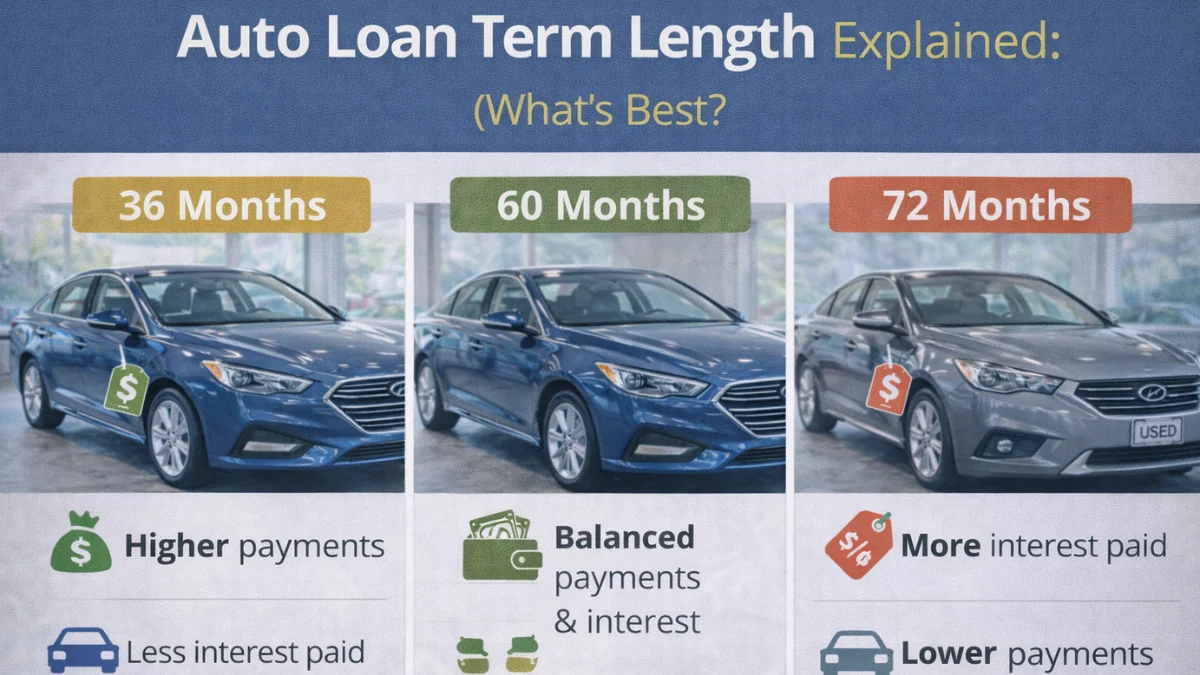
Understanding auto loan term length options helps you align your loan timeline with your purchase plans.
Common Mistakes to Avoid During Pre-Approval
Many borrowers make mistakes during pre-approval, such as applying for loans they cannot afford, providing inaccurate information, or not comparing multiple lenders.
Others ignore their credit score or fail to prepare required documents. These mistakes can delay approval or lead to unfavorable terms.
To avoid these issues, it’s important to plan carefully. Learning from auto loan mistakes to avoid helps you secure the best possible loan terms.
What Happens After You Get Pre-Approved?
Once you’re pre-approved, you can confidently shop for a car within your budget.
After selecting a vehicle, the lender finalizes the loan based on the car’s details and completes the approval process.
This step is usually quick since most checks are already done. You’ll then sign the agreement and start making payments.
Understanding auto loan monthly payments ensures you’re prepared for your financial commitment after purchase.
Frequently Asked Questions
Conclusion
Auto loan pre-approval is a powerful tool that gives you control over your car-buying process. It helps you set a realistic budget, secure better interest rates, and avoid dealership pressure.
By preparing your documents, understanding your financial profile, and using tools like an auto loan calculator, you can make smarter decisions.
Taking this step before buying ensures a smoother, faster, and more cost-effective car financing experience.

I create mortgage calculators and simple guides for Mortgage Rates Checker, helping users understand mortgage rates, refinancing, and home loan affordability. Content is for educational purposes only and not financial advice.