Best 15-Year Mortgage Rates Right Now: Compare & Save on Interest
15-year mortgage rates are typically lower than 30-year loans because lenders take on less risk. This shorter term helps homeowners save significantly on interest while building equity faster.
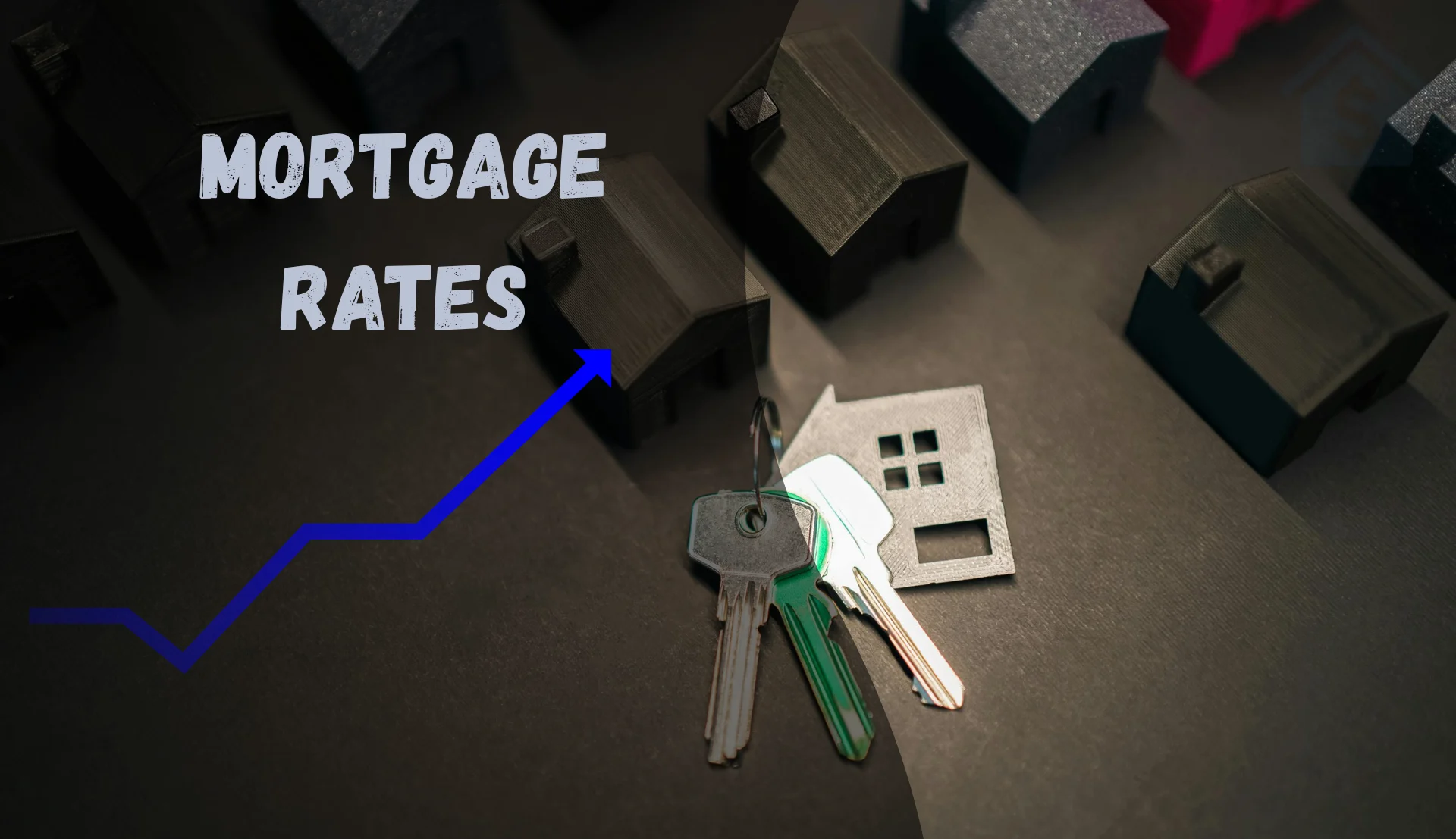
Knowing the best 15-year mortgage rates right now can help you decide whether refinancing into a shorter term or locking in a new 15-year mortgage makes sense for your financial goals.
Because 15-year loans build equity faster and typically offer lower interest rates than 30-year options, they can be a powerful way to reduce total interest paid and accelerate homeownership goals.
This guide explains where today’s most competitive 15-year rates sit, what influences your personalized pricing, and how to interpret those rates in your home buying or refinancing plan.
What “Best 15-Year Mortgage Rates” Really Mean
When lenders advertise the best 15-year mortgage rates, they’re often quoting pricing available to borrowers with excellent credit, low debt-to-income ratios, and substantial equity.
These “best” rates are baseline benchmarks from which individual offers can vary.
To know if a rate is truly competitive, you should compare it with personalized offers and consider total costs, not just the headline number.
Current Competitive 15-Year Mortgage Rate Environment
Today’s best 15-year mortgage rates tend to be lower than comparable 30-year fixed rates because lenders assume lower risk over a shorter period.
National averages and top-tier offers often sit a few tenths below longer-term options, making the 15-year term attractive for homeowners focused on equity and total interest savings.
Observing current refinance rates: what homeowners should know gives homeowners context for where 15-year rates sit within the broader market.
How Credit Score Influences 15-Year Rate Offers
Your credit score is one of the strongest predictors of the mortgage rate you’ll receive.
Borrowers with higher credit scores typically qualify for the lowest advertised 15-year rates, while those with lower scores may see higher pricing.
Improving your credit before applying can help you capture one of the “best available” rates rather than a mid-tier pricing offer.
Loan-to-Value (Equity) and Its Effect on Rate Pricing
Loan-to-value (LTV) the percentage of your home’s value you owe directly affects the rate you’re offered.
Lower LTV (higher equity) usually results in better pricing, while higher LTV can push rates upward.
This effect holds in both purchase and refinance scenarios, especially if you’re considering a cash-out refinance and increasing your balance in the process.
Loan Type and the Best Rates You Can Get
The best 15-year mortgage rates vary with loan type:
- Conventional 15-year fixed loans typically deliver the lowest pure rate for well-qualified borrowers.
- FHA and VA 15-year refinance options may offer competitive pricing for eligible borrowers but include program-specific considerations like mortgage insurance or service eligibility.
Understanding mortgage refinance options helps you compare rate opportunities across programs instead of just headline numbers.
APR vs Interest Rate: What Matters for Best Offers
Lower interest rates don’t always mean lower cost. APR accounts for fees and points spread over the life of the loan.
Two lenders might offer similar 15-year interest rates, but the one with a lower APR often represents a better total cost when fees are comparable.
Comparing APR alongside the interest rate gives you a clearer view of the best rate relative to your circumstances.
How Market Conditions Affect Today’s Best 15-Year Rates
Mortgage rates move with broader economic signals such as Treasury yields, inflation expectations, and investor demand for mortgage-backed securities.
When those forces change, the rates you see including the 15-year offerings adjust accordingly.
Following refinance interest rates today vs last year helps you interpret whether the current environment is favorable for locking in a shorter-term rate.
Rate Locks: Capturing Today’s Best Available Rate
Once you find a competitive 15-year mortgage rate that fits your goals, a rate lock protects that pricing through the closing process.
Lock duration and timing can affect price, so understanding how mortgage rates work helps ensure you preserve the best rate available rather than leaving it exposed to market movement.
How to Find Your Best Personalized 15-Year Rate
To discover the best 15-year mortgage rate you personally can qualify for:
- Request multiple refinance quotes
- Compare both interest rate and APR
- Improve your credit profile before applying
- Build equity when possible
These steps help you move beyond averages and find the best actual rate rather than just the lowest published one.
When the Best 15-Year Rate Is Worth Choosing
The best available 15-year mortgage rates typically make sense when:
- You can afford the higher monthly payment
- You want to minimize total interest paid
- You plan to stay in the home long term
- Long-term stability and equity building matter more than short-term cash flow
Comparing your current loan and financial goals against today’s best rates helps clarify whether switching to a 15-year structure benefits you.
Conclusion
The “best” 15-year mortgage rates right now give you a benchmark, but the true rate you’ll receive depends on your financial profile and loan structure.
By comparing personalized refinance quotes, considering APR, and understanding lender criteria, you can identify the most competitive rate you can actually qualify for.
When aligned with your goals especially if you value equity growth and total interest savings, a strong 15-year rate can significantly strengthen your financial path forward.
Mortgage Calculator
Recommended Mortgage Tools
Refinance Break-Even Calculator
See how long it takes to recover refinance costs.
Debt-to-Income Ratio Calculator
Check if your income supports mortgage approval.
Refinance Readiness Checker
Find out if now is the right time to refinance.
Mortgage Eligibility Checker
Quickly see if you qualify for a home loan.
First-Time Buyer Readiness
Know if you're ready to buy your first home.
Mortgage Pre-Approval Calculator
Estimate how much you can borrow instantly.
Next Read
Featured Mortgage Insights
Rising home loan costs and changing mortgage rates are influencing how buyers approach homeownership decisions. Instead of rushing purchases, many borrowers are becoming more financially cautious, focusing on affordability, long-term payments, and loan stability before committing to a property.

Featured Mortgage Insights
Home loans are increasingly shaping long-term financial stability decisions as buyers carefully evaluate affordability, repayment risks, and future flexibility before purchasing. Instead of borrowing maximum approval amounts, many homeowners now prioritize sustainable mortgage planning and long-term financial security.
Featured Mortgage Insights
Home loans are increasingly influencing how buyers define their homeownership goals in 2026. Instead of rushing into purchases, borrowers are aligning mortgage decisions with affordability, long-term stability, and future financial flexibility as changing rates and housing costs reshape buying priorities.



About the Author: Ratiranjan Singha

Don’t Miss These