Business Loan Default: What Happens & How to Avoid Serious Financial Damage
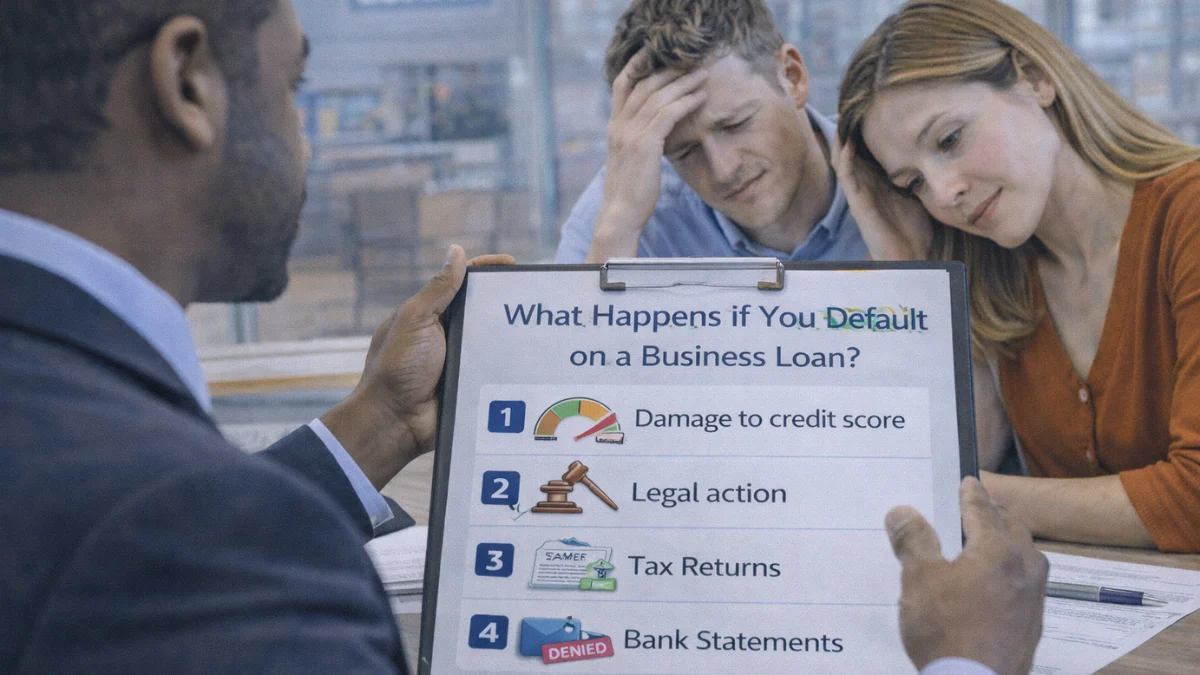
Defaulting on a business loan can seriously damage your finances and your business reputation. Many business owners underestimate the consequences until it’s too late.
Understanding what happens when you fail to repay a business loan helps you avoid risks and take action before things get worse.
What Does Defaulting on a Business Loan Mean?
Defaulting on a business loan means you fail to repay the loan according to the agreed terms. This usually happens after multiple missed payments or prolonged non-payment.
Lenders consider your loan “in default” once you violate the repayment agreement.
At this stage, the situation becomes serious and may lead to legal or financial consequences. Many borrowers confuse late payments with default, but default is a more severe stage.
Understanding the basics through a business loan guide helps you recognize early warning signs and act before reaching this point.
What Happens When You Miss Payments?
Missing one or two payments may result in late fees and penalties, but repeated missed payments can quickly escalate the situation.
Lenders may start contacting you, adding extra charges, and reporting your account to credit agencies. This affects both your personal and business credit score.
Over time, these penalties increase your total loan cost and make repayment harder. Managing your payments carefully using a business loan calculator helps you stay on track and avoid falling behind.
Immediate Financial Consequences of Default
Once your loan goes into default, lenders may impose heavy penalties, including additional interest, late fees, and collection charges.
Your outstanding balance may increase significantly due to these added costs. Lenders may also demand full repayment immediately instead of allowing monthly installments.
This can create severe financial pressure on your business. Understanding business loan repayment helps you plan better and avoid reaching this stage.
Impact on Your Credit Score and Business Reputation
Defaulting on a business loan can severely damage your credit score, making it difficult to secure future financing. Both your business credit and, in many cases, your personal credit may be affected.
A poor credit history can limit your ability to get loans, attract investors, or even negotiate with suppliers. Your business reputation may also suffer, affecting long-term growth.
Learning about business loan eligibility shows how lenders evaluate your credit behavior for future approvals.
Risk of Asset Seizure (For Secured Loans)
If you have taken a secured business loan, defaulting can lead to the seizure of your collateral. This could include property, equipment, or other business assets pledged as security.
Losing these assets can disrupt your business operations and cause long-term damage. Secured loans carry lower interest rates but higher risk in case of default.
Understanding secured vs unsecured business loan options helps you evaluate the risks before borrowing.
Legal Action and Debt Recovery Process
Lenders may take legal action to recover the outstanding loan amount. This can include filing a lawsuit, obtaining court orders, or working with collection agencies.
In some cases, lenders may freeze business accounts or take control of assets. Legal proceedings can be time-consuming and stressful, adding further financial burden.
Understanding these risks early helps you avoid serious consequences and take preventive steps.
Personal Liability and Guarantees
Many business loans require a personal guarantee, especially for small businesses or startups. This means that if your business fails to repay the loan, you are personally responsible for the debt.
Lenders can pursue your personal assets, such as savings or property, to recover the loan. This increases the financial risk significantly.
Learning about business loan without collateral options can help you reduce personal risk when borrowing.
Long-Term Effects on Your Business Growth
Defaulting on a business loan can have long-term consequences beyond immediate financial loss. It can restrict your ability to secure future funding, expand operations, or invest in growth opportunities.
A damaged credit profile can take years to rebuild. This can limit your business potential and delay your success.
Understanding improve loan approval business strategies helps you maintain a strong financial profile for future opportunities.
What to Do If You’re at Risk of Default
If you’re struggling to repay your loan, it’s important to act early.
Contact your lender to discuss options such as restructuring the loan, extending the repayment period, or temporarily reducing payments.
Ignoring the problem only makes it worse.
Many lenders are willing to work with borrowers who communicate proactively. Planning your finances using a business loan calculator helps you adjust your repayment strategy and avoid default.
How to Avoid Defaulting on a Business Loan
Preventing default starts with responsible borrowing and financial planning. Only take a loan amount that your business can realistically repay.
Maintain steady cash flow, monitor expenses, and build an emergency fund.
Regularly review your financial situation and adjust your strategy if needed. Learning from business loan mistakes to avoid helps you stay disciplined and avoid costly errors.
Frequently Asked Questions
Conclusion
Defaulting on a business loan can have serious financial and legal consequences that impact both your business and personal life. From credit damage to asset loss and legal action, the risks are significant.
However, understanding these consequences allows you to take proactive steps to avoid them.
By managing your finances carefully, communicating with lenders, and using tools like a business loan calculator, you can stay on track and protect your business.
The key is to act early and make informed financial decisions.

I create mortgage calculator and loan calculators, along with Guides for Mortgagerateschecker, helping users understand mortgage rates, personal loans, auto loans, student loans, and overall loan affordability. Content is for educational purposes only and not financial advice.