Business Loan Documents: What You Need to Get Approved Faster
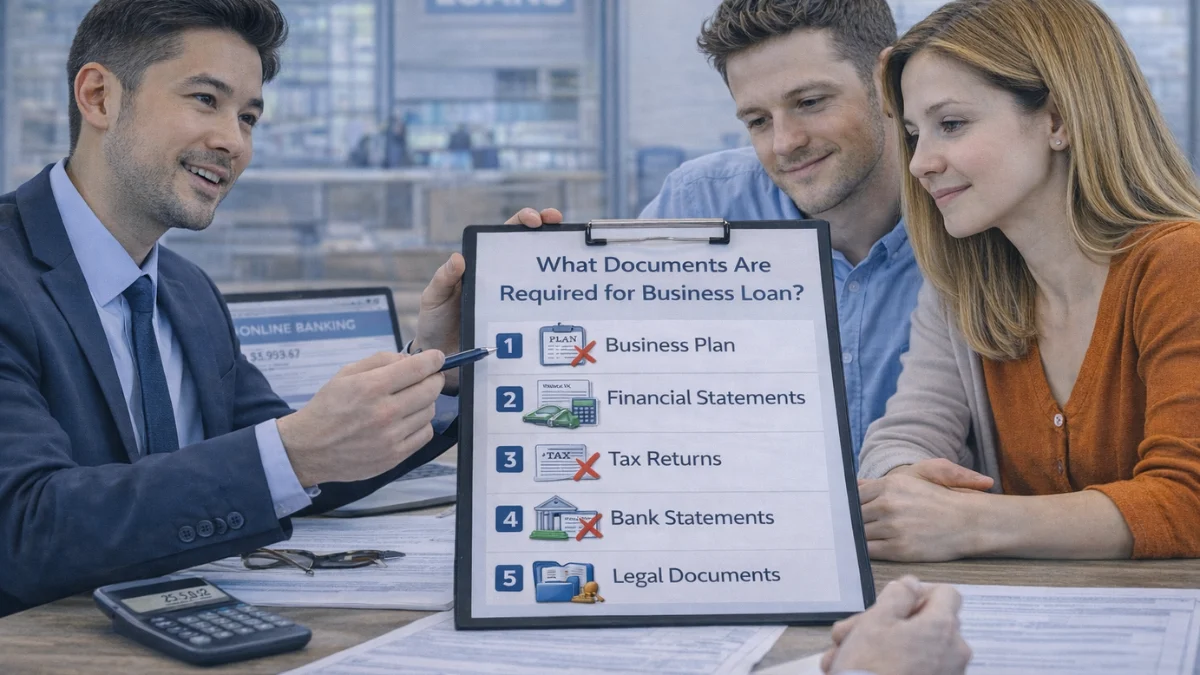
Applying for a business loan requires more than just filling out a form, you need the right documents to prove your financial stability and business credibility.
Many applications get delayed or rejected due to missing paperwork.
Understanding required business loan documents helps you get approved faster.
Why Documents Are Important for Business Loan Approval
Documents play a crucial role in the business loan approval process because they help lenders verify your identity, financial health, and business performance.
Without proper documentation, lenders cannot assess your repayment ability or risk level.
Missing or incorrect documents can delay your application or even lead to rejection. Having all paperwork ready shows professionalism and builds lender confidence.
If you’re new to borrowing, exploring a business loan guide helps you understand how documentation fits into the overall approval process.
Identity and Address Proof Documents
Lenders require identity and address proof to verify the borrower’s personal details.
Common documents include government-issued IDs such as Aadhaar card, PAN card, passport, or driver’s license.
Address proof may include utility bills, rental agreements, or bank statements.
These documents ensure that the borrower is genuine and traceable. Providing accurate and up-to-date details is essential for smooth processing.
Understanding business loan eligibility helps you see why identity verification is a key part of approval.
Business Registration and Legal Documents
To confirm that your business is legitimate, lenders ask for business registration documents.
These may include GST registration, business license, partnership deed, or incorporation certificate for companies.
These documents establish the legal identity of your business and prove that it operates within regulatory guidelines.
Without proper registration, getting approved for a loan becomes difficult.
Learning about secured vs unsecured business loan options also helps you understand how legal documents impact loan type selection.
Financial Statements and Income Proof
Financial documents are among the most important requirements for a business loan. Lenders typically ask for profit and loss statements, balance sheets, and income tax returns for the past few years.
These records help assess your business performance and profitability. Strong financials increase your chances of approval and better loan terms.
Keeping your accounts well-maintained is essential. Using a business loan calculator helps you match your financial capacity with the loan amount you plan to apply for.
Bank Statements and Cash Flow Records
Bank statements provide insight into your business’s cash flow and transaction history. Lenders usually require statements for the last 6–12 months to evaluate how money flows in and out of your business.
Consistent deposits and stable cash flow improve your credibility. Irregular transactions or negative balances may raise concerns.
Maintaining healthy cash flow is key to approval. Understanding business loan repayment helps you ensure your income can support future loan payments.
Credit History and Credit Score Reports
Your credit history plays a significant role in business loan approval. Lenders check both personal and business credit scores to assess your repayment behavior.
A strong credit score increases approval chances and helps you secure lower interest rates. A poor score may lead to higher rates or rejection.
Reviewing your credit report before applying can help you fix errors. Learning from improve loan approval business strategies helps you strengthen your credit profile.
Collateral Documents (For Secured Loans)
If you’re applying for a secured business loan, you’ll need to provide documents related to the collateral you’re offering. This may include property papers, equipment details, or asset valuation reports.
These documents help lenders assess the value of the security backing your loan. Providing clear and verified collateral documents improves your chances of approval.
Understanding business loan without collateral options can help if you prefer unsecured financing.
Business Plan and Loan Purpose Details
Many lenders require a clear explanation of how you plan to use the loan. A well-prepared business plan outlines your goals, strategies, and expected returns.
It shows lenders that you have a clear vision and repayment strategy.
A strong business plan can even compensate for weaker financial metrics. Providing detailed loan purpose information builds trust and increases approval chances.
Additional Documents for Startups and New Businesses
Startups may not have extensive financial history, so lenders may ask for alternative documents such as projected financial statements, business models, or investor details.
These documents help demonstrate potential growth and viability. While approval may be more challenging, proper documentation can improve your chances.
Understanding business loan eligibility helps startups prepare the right documents and present a strong case.
Common Mistakes to Avoid While Submitting Documents
Many applicants make mistakes such as submitting incomplete documents, outdated records, or incorrect information. These errors can delay approval or lead to rejection.
It’s important to double-check all paperwork before submission. Organizing documents properly and ensuring accuracy can speed up the process.
Learning from business loan mistakes to avoid helps you avoid these common pitfalls and improve your chances of approval.
Tips to Prepare Your Documents for Faster Approval
Preparing your documents in advance can significantly speed up the loan process. Keep digital and physical copies ready, organize them properly, and ensure all details are up to date.
Maintain clear financial records and monitor your credit score regularly. Being prepared shows professionalism and increases lender confidence.
Using a business loan calculator also helps you apply for the right loan amount based on your financial capacity.
Frequently Asked Questions
Conclusion
Having the right documents is essential for a smooth and successful business loan application. From identity proof to financial records and business details, each document plays a role in building lender confidence.
Proper preparation not only speeds up approval but also increases your chances of securing better loan terms.
By staying organized, avoiding common mistakes, and using tools like a business loan calculator, you can make the application process easier and more efficient.

I create mortgage calculator and loan calculators, along with Guides for Mortgagerateschecker, helping users understand mortgage rates, personal loans, auto loans, student loans, and overall loan affordability. Content is for educational purposes only and not financial advice.