Business Loan Eligibility: How to Qualify & Get Approved Faster

Getting approved for a business loan isn’t just about applying, it depends on how lenders evaluate your business and financial profile.
Many applicants get rejected or receive high interest rates because they don’t understand eligibility criteria. Knowing what lenders look for can improve your chances significantly.
What Is Business Loan Eligibility?
Business loan eligibility refers to the criteria lenders use to decide whether your loan application should be approved.
These criteria help lenders assess your ability to repay the loan and measure the level of risk involved.
Each lender may have slightly different requirements, but most follow similar evaluation factors.
Understanding these requirements helps you prepare a strong application and avoid rejection.
If you’re just starting out, exploring a business loan guide gives you a clear overview of how the approval process works.
Credit Score: The First Thing Lenders Check
Your credit score is one of the most important factors in business loan eligibility. It reflects your past borrowing behavior and how reliably you repay debt.
A higher credit score increases your chances of approval and helps you secure lower interest rates.
On the other hand, a low score may result in higher rates or rejection. Lenders may check both your personal and business credit history.
Understanding how credit affects borrowing through business loan repayment helps you maintain a strong financial profile.
Business Revenue and Cash Flow
Lenders want to ensure that your business generates enough income to repay the loan. They closely examine your revenue and cash flow to determine your repayment capacity.
Stable and consistent income increases your chances of approval, while irregular cash flow may raise concerns. Even profitable businesses can face rejection if cash flow is unstable.
Keeping accurate financial records is essential. Using a business loan calculator helps you estimate payments and ensure your business can handle the loan comfortably.
Business Age and Stability
The age of your business plays a key role in eligibility. Established businesses with a proven track record are more likely to get approved than new startups.
Most lenders prefer businesses that have been operating for at least 1-2 years.
However, some lenders offer loans specifically for startups. Stability shows that your business can survive market fluctuations.
Understanding what documents are required for business loan helps you prove your business history and improve approval chances.
Debt-to-Income Ratio (DTI) and Existing Liabilities
Lenders evaluate your existing debts to see how much financial burden your business already carries.
A high debt-to-income ratio (DTI) indicates that a large portion of your income is used to repay existing loans, which may reduce your chances of approval.
Lower DTI shows better financial health and increases lender confidence. Managing your current obligations is essential before applying.
Learning from business loan mistakes to avoid helps you avoid overborrowing and maintain a healthy financial profile.
Collateral and Security Requirements
Some business loans require collateral, such as property, equipment, or inventory, to secure the loan. Collateral reduces the lender’s risk and improves your chances of approval.
Unsecured loans, which don’t require collateral, are also available but often come with higher interest rates. The type of loan you choose affects your eligibility.
Understanding secured vs unsecured business loan options helps you decide which path is right for your situation.
Business Plan and Purpose of Loan
Lenders often want to know how you plan to use the loan. A clear and well-structured business plan increases your chances of approval.
It shows that you have a strategy for growth and repayment.
Whether you need funds for expansion, inventory, or working capital, having a defined purpose builds lender confidence. A strong plan can even compensate for weaker financial metrics.
Understanding business loan without collateral options also helps if you lack assets but have a solid business idea.
Required Documents for Business Loan Approval
Proper documentation is essential for verifying your eligibility. Common documents include financial statements, tax returns, bank statements, business registration, and identity proof.
Missing or incorrect documents can delay or even reject your application. Being prepared with all required paperwork speeds up the process and improves your chances.
Learning about business loan documents required ensures you have everything ready before applying.
Industry and Business Risk Factors
The type of industry your business operates in can also affect eligibility.
Some industries are considered higher risk due to market volatility or seasonal demand.
Lenders evaluate these risks before approving loans. Businesses in stable and growing industries have better chances of approval.
Understanding your industry’s risk profile helps you prepare better and present your application more effectively.
How to Improve Your Business Loan Eligibility
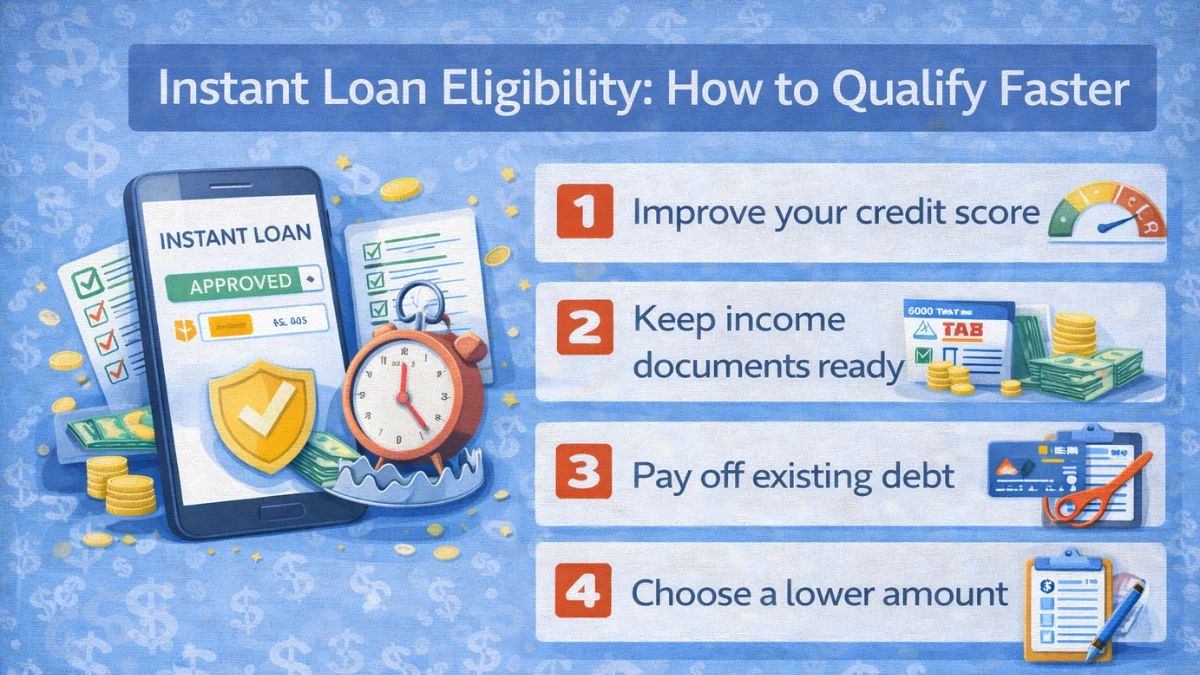
Improving your eligibility requires a combination of financial discipline and strategic planning. Start by improving your credit score, reducing existing debts, and maintaining steady cash flow.
Prepare a strong business plan and ensure all documents are accurate. Comparing lenders can also help you find one that matches your profile.
Following tips from improve loan approval business helps you strengthen your application and secure better loan terms.
Frequently Asked Questions
Conclusion
Business loan eligibility depends on multiple factors, including credit score, revenue, business stability, and documentation.
Understanding what lenders look for helps you prepare a strong application and avoid rejection.
By improving your financial profile, choosing the right loan type, and using tools like a business loan calculator, you can increase your chances of approval and secure better terms.
The key is to be prepared, informed, and strategic when applying for a business loan.

I create mortgage calculator and loan calculators, along with Guides for Mortgagerateschecker, helping users understand mortgage rates, personal loans, auto loans, student loans, and overall loan affordability. Content is for educational purposes only and not financial advice.