Explore Your Mortgage Options
Your credit report can help you identify information that may affect your mortgage application. Consider reviewing your reports for errors and checking that account details are accurate. If you need further support, explore credit reporting and credit repair resources to understand your options. Be cautious of services promising guaranteed score increases or guaranteed mortgage approval.
Affiliate Disclosure: This page may contain links to offers from our partners, including lenders and other financial service providers. We may earn a commission if you apply for or use a product through these links, at no additional cost to you. Our editorial content and comparisons are not influenced by these commissions.
ADVERTISEMENT
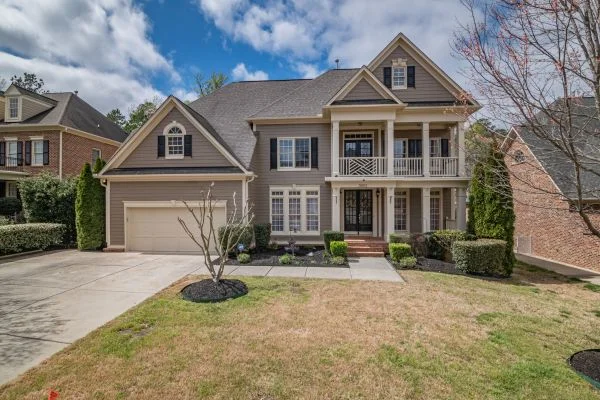
A foreclosure can make buying another home more difficult, but it does not automatically end your chances of becoming a homeowner again. You may qualify for a new mortgage after a waiting period, provided you meet the lender’s credit, income, debt, and down payment requirements.
The important details are how long ago the foreclosure was completed, which mortgage program you apply for, why the foreclosure happened, and how you have managed your finances since then. A past foreclosure may affect your credit and mortgage eligibility, but lenders also need to assess your current ability to repay a new loan.
If you are hoping to buy again, the first step is to understand the applicable waiting period. Then you can work out whether you are ready to apply or whether spending more time rebuilding your finances would put you in a stronger position.
How Long After a Foreclosure Can You Get a Mortgage?
There is no single waiting period for every mortgage. Different loan programs have different rules, and lenders may apply additional requirements.
For conventional mortgages that follow Fannie Mae’s guidelines, the standard waiting period after a foreclosure is generally seven years. A documented exception for qualifying extenuating circumstances may allow eligibility after three years, subject to additional restrictions.
FHA loans generally require a three-year waiting period after a foreclosure or deed-in-lieu of foreclosure, with limited exceptions for documented circumstances beyond the borrower’s control.
VA loans have their own underwriting rules. A prior foreclosure does not automatically disqualify an eligible veteran, but the lender must assess the circumstances and whether the borrower has re-established a satisfactory credit history.
These are general program guidelines, not a guarantee that a lender will approve your application as soon as the waiting period ends.
Mortgage Waiting Periods After Foreclosure by Loan Type
| Mortgage type | General waiting-period guidance |
|---|---|
| Conventional (Fannie Mae) | 7 years normally; potentially 3 years with documented extenuating circumstances and additional restrictions |
| FHA | Generally 3 years, with limited documented exceptions |
| VA | Depends on underwriting, circumstances, and credit re-establishment; a foreclosure is not automatically disqualifying |
| USDA | Check current program rules and lender requirements for your circumstances |
The conventional and FHA timeframes above come from published agency guidance. VA underwriting evaluates the facts surrounding the foreclosure and the borrower’s subsequent credit history. USDA eligibility should be confirmed with an approved lender under the applicable current handbook; do not assume it follows another program’s timeline.
When does the waiting period start?
The relevant date is usually tied to the completion of the foreclosure or the transfer of ownership, depending on the loan program and circumstances. It is not necessarily the date you first missed a payment or received a foreclosure notice.
Keep the foreclosure-related documents and check how the event is reported on your credit records. If dates are missing or incorrect, ask the lender what documentation it needs to establish the correct date.
Can you qualify sooner because of extenuating circumstances?
Possibly, but exceptions are not automatic. Under Fannie Mae’s guidelines, a shorter waiting period may be available when the borrower can document qualifying extenuating circumstances. FHA also provides a limited exception for documented circumstances beyond the borrower’s control.
A lender may ask for evidence explaining what happened and showing that the circumstances have changed. Depending on the situation, relevant records might include medical documentation, employment records, or other evidence supporting the explanation.
Simply saying that the foreclosure was difficult or unexpected may not be enough. Ask a lender familiar with the relevant program to assess your circumstances before relying on an exception.
What to Read Next?
How to Improve Your Chances of Getting a Mortgage After Foreclosure
Meeting the waiting period is only one part of qualifying. You will still need to show that your finances are stable enough to handle a new mortgage.
Rebuild a consistent payment history
Pay current bills and credit accounts on time. Avoid taking on new debt that you do not need, and check your credit reports for errors. You cannot erase accurate foreclosure information simply by paying other bills, but responsible credit management can help demonstrate that your financial situation has improved.
If you are unsure which credit information mortgage lenders review, read what mortgage lenders check on your credit report.
Reduce debt and strengthen affordability
Lenders look at more than your credit score. They also consider income, recurring debts, and the proposed housing payment.
Before applying, work out whether you can comfortably manage the mortgage alongside property taxes, homeowners insurance, utilities, maintenance, and other obligations. Reducing high monthly debt payments may improve your debt-to-income ratio, although paying off debt should not leave you without enough cash for emergencies and closing costs.
Save for the down payment and closing costs
A larger down payment may strengthen an application and reduce the amount you need to borrow, but it is not a substitute for meeting the program’s eligibility and underwriting requirements.
Budget for closing costs and keep documentation showing where your funds came from. If you receive gift money or down payment assistance, ask the lender what is permitted and which records are required.
You can use how much down payment you really need to understand the cash you may need before buying.
Document why your circumstances have changed
If the foreclosure followed a job loss, illness, divorce, or another major event, prepare a clear explanation and supporting records where relevant. The lender will want to understand both the original problem and your current financial stability.
A useful application demonstrates more than the passage of time: it shows what has changed, how you have managed credit since the foreclosure, and why the new mortgage payment is realistic.
What If You Also Filed for Bankruptcy?
If the foreclosure occurred alongside bankruptcy, the applicable waiting period can depend on how the mortgage debt was handled and which loan program you are using.
For Fannie Mae conventional loans, a bankruptcy waiting period may apply when the mortgage debt was discharged in the bankruptcy and the lender obtains the required documentation. Otherwise, the longer applicable waiting period may apply.
Do not assume that the bankruptcy date automatically replaces the foreclosure date. Ask the lender to review the discharge documents, foreclosure records, and relevant program rules.
For more details, read whether you can get a mortgage after bankruptcy.
When Should You Apply for a Mortgage Again?
You may be ready to speak with a lender when the relevant waiting period has passed or when you have a reasonable basis to ask whether an exception applies and your finances are in a stronger position.
Before applying, check that you can:
- Document the foreclosure completion or ownership-transfer date.
- Demonstrate stable, verifiable income.
- Manage existing debts and a realistic future housing payment.
- Show sufficient funds for the down payment, closing costs, and remaining reserves required for your situation.
- Explain any major credit problems and show a more consistent recent payment history.
You do not need to wait until your credit is perfect before having an initial conversation with a qualified mortgage lender. However, avoid paying nonrefundable fees or making commitments to buy a home until your eligibility and financing options are reasonably clear.
A mortgage pre-approval can help you understand what a lender may be willing to offer, but it is not a final approval. The lender will still need to verify your information and evaluate the property and loan before closing.
Final Thoughts
Yes, you can get a mortgage after a foreclosure. The timeline depends on the loan program, the foreclosure circumstances, and the lender’s underwriting requirements. For many borrowers, the path forward involves waiting until eligible, rebuilding a reliable payment history, managing debt, and saving enough cash to buy responsibly.
Start by confirming the date your foreclosure was completed and identifying which mortgage programs may fit your circumstances. Then review your credit, income, debts, and available savings before applying.
A foreclosure can change your homebuying timeline, but it does not necessarily close the door to homeownership permanently. The goal is to return when you can qualify for an appropriate loan and sustain the costs of owning a home, not simply to qualify as quickly as possible.