Refinancing an investment property mortgage can help real estate investors adjust their financing as interest rates, property values, and rental income change. Depending on your circumstances, a new mortgage might lower your interest rate, change your repayment term, or make monthly payments more manageable.
However, refinancing a rental property is not automatically beneficial. Lenders may evaluate your credit, income, existing debts, property equity, rental cash flow, and payment history before approving a new loan. You will also need to consider closing costs and how long it may take to recover them.
Before applying, understand which refinancing options are available and whether the potential financial benefits justify replacing your existing mortgage.
Can You Refinance an Investment Property Mortgage?
Yes, you can refinance an investment property mortgage if you meet the applicable lender and loan-program requirements. Refinancing replaces your existing mortgage with a new loan secured by the same property.
Investors commonly refinance to obtain a lower interest rate, change the loan term, replace an adjustable-rate mortgage with a fixed-rate loan, or adjust their monthly payment.
The right option depends on your current mortgage, the property’s value, your financial circumstances, and the terms available from lenders.
Investment property refinancing may have different eligibility and pricing requirements from refinancing a home you occupy as your primary residence.
Lenders can also apply different rules depending on whether you want to reduce your interest rate and change your terms or take cash out of your equity.
Start by identifying your main goal. A refinance that reduces your monthly payment may not necessarily reduce the total interest you pay over the life of the loan.
Why Would You Refinance a Rental Property?
There are several reasons an investor might consider refinancing an existing rental property.
To obtain a lower interest rate: If you qualify for a more competitive rate, refinancing may reduce your monthly principal-and-interest payment and improve cash flow.
To change the repayment term: You might refinance into a shorter term to repay the mortgage sooner, although your monthly payments could increase. Alternatively, extending the term may reduce payments while increasing the total interest paid.
To move from an adjustable to a fixed rate: A fixed-rate mortgage can make future principal-and-interest payments more predictable, while an adjustable-rate loan may change according to its terms.
To review your financing after property values increase: Higher property value may improve your equity position and potentially expand your available refinancing options.
To access equity: A cash-out refinance may allow you to borrow more than your current mortgage balance and receive eligible proceeds at closing. This is a separate strategy with its own costs and requirements, discussed in your planned cash-out refinance article.
The best reason to refinance is one that supports a clear financial objective rather than simply obtaining a new loan.
What Are the Requirements to Refinance an Investment Property?
There is no single set of requirements that applies to every investment property refinance. Conventional lenders and other mortgage providers assess applications under their respective loan-program rules.
Common factors include the following.
Credit Score and Payment History
Lenders typically evaluate your credit profile to determine whether you qualify and what pricing may be available. A stronger credit profile can improve your options, but approval also depends on the other characteristics of your application.
Your recent mortgage payment history may matter as well. Late payments or other credit problems can complicate refinancing, even if the property has substantial equity.
Before applying, review your credit reports, address genuine errors, and ask lenders which credit requirements apply to your proposed loan.
Home Equity and Loan-to-Value Ratio
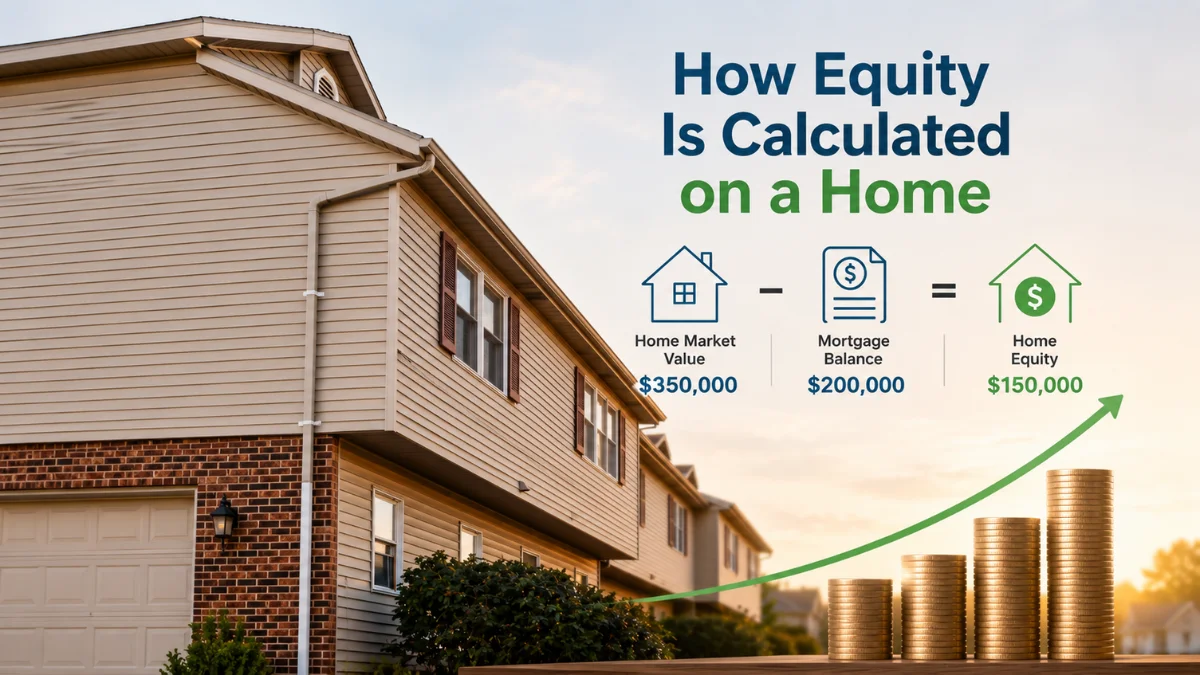
Your equity is the difference between the property’s current value and the debts secured against it. Lenders often use the loan-to-value ratio (LTV) to assess how much you want to borrow relative to the property’s value.
For example, if your rental property is worth $350,000 and your mortgage balance is $245,000, your approximate equity is $105,000. Your LTV is 70%, before accounting for other liens or transaction details.
A lower LTV may improve your eligibility or pricing, depending on the loan program. However, the amount of equity you can use is not necessarily the same as your total equity. Lenders may impose maximum LTV limits, especially for investment property cash-out refinances.
Income, Debt, and Rental Cash Flow
Lenders may review your qualifying income, monthly debts, and eligible rental income to determine whether you can support the new mortgage.
For an established rental property, documentation may include tax returns, rental agreements, bank statements, and other financial records. The lender may also account for the property’s housing expenses when calculating qualifying rental income.
For example, a property that collects $2,500 in monthly rent may not produce $2,500 in qualifying income. The lender’s calculation may account for vacancies and property expenses, depending on the applicable guidelines.
If you own multiple properties, the lender may also consider your other mortgages and rental income or losses.
Property Value and Condition
A lender may require an appraisal or another permitted valuation method to determine the property’s value. The property must also meet applicable eligibility requirements.
If the property value has declined, the amount of equity available for refinancing may be lower than expected. Unresolved title issues, certain property conditions, or an ineligible property type may also affect the transaction.
Before paying for an appraisal or other services, ask your lender what valuation requirements apply and whether an alternative valuation is permitted for your loan.
What to Read Next
How Much Equity Do You Need to Refinance?
The equity required depends on the type of refinance, the property, and the lender’s rules. Rate-and-term refinancing and cash-out refinancing may have different maximum LTV limits.
For illustration, consider a rental property worth $300,000 with an existing mortgage balance of $210,000.
| Item | Amount |
|---|---|
| Estimated property value | $300,000 |
| Existing mortgage balance | $210,000 |
| Approximate equity | $90,000 |
| Current loan-to-value ratio | 70% |
The property has approximately $90,000 in equity, but that does not mean you can automatically borrow the entire amount. The lender will apply the relevant LTV limit, evaluate your qualification, and account for closing costs and any other liens.
Investment property cash-out refinancing often has stricter equity requirements than refinancing intended primarily to replace an existing mortgage. If your main goal is to access equity, ask the lender to distinguish between the available rate-and-term and cash-out options.
For more information about equity requirements, link to how much equity do you need to refinance a mortgage once that planned article is published.
How Much Does It Cost to Refinance an Investment Property?
Refinancing generally involves closing costs, even when the lender advertises a no-closing-cost option. Depending on the transaction, expenses may include lender fees, appraisal charges, title services, recording fees, and prepaid items.
Some lenders may offer credits toward closing costs in exchange for a higher interest rate. Others may allow certain costs to be added to the loan balance when permitted. Neither arrangement makes the costs disappear; each changes how you pay for them.
For example, suppose refinancing costs $5,000 and reduces your monthly principal-and-interest payment by $150. Dividing $5,000 by $150 gives a simple break-even period of about 34 months.
That calculation is only a starting point. It does not account for tax effects, changes in loan term, differences in total interest, or other costs. If you sell the property or refinance again before reaching the break-even point, the transaction may not deliver the expected savings.
Use a refinance break-even calculator if your existing calculator is live, and compare the complete costs and benefits of the new loan.
When Does Refinancing an Investment Property Make Financial Sense?
Refinancing may make sense when the expected benefits outweigh the costs and risks. A lower interest rate can reduce monthly payments, but the overall result depends on the new loan amount, term, fees, and how long you plan to keep the property.
For example, refinancing from a 20-year remaining term into a new 30-year mortgage may reduce the monthly payment partly because repayment is spread over a longer period. That does not automatically mean you will pay less interest overall.
Before deciding, compare:
- Your current interest rate and remaining loan term.
- The new interest rate, APR, and repayment period.
- Total closing costs and any discount points.
- The new monthly payment and total projected interest.
- Your expected holding period for the property.
- The effect on rental cash flow after taxes, insurance, maintenance, and other expenses.
A refinance may be less attractive if the savings are small, the fees are high, or you expect to sell the property soon. It may also be worth waiting if your credit, income documentation, or equity position could improve.
Can You Refinance if Your Rental Property Has Negative Cash Flow?
Possibly, but negative rental cash flow can make refinancing more difficult. Lenders may consider whether the property’s eligible rental income supports its housing expense and whether your other income can cover any shortfall.
A property can have negative cash flow because of a high mortgage payment, vacancies, maintenance, taxes, insurance, or other expenses.
Refinancing into a lower payment may help, but the lender must still approve the new loan under its underwriting rules.
If the property is losing money, calculate the effect of refinancing using realistic rental income and operating expenses. Do not assume that a lower monthly payment will solve every financial problem, particularly if the new loan extends the repayment period or includes substantial closing costs.
Depending on your circumstances, alternatives could include improving rental operations, reviewing expenses, increasing reserves, or discussing available financing options with a qualified lender.
How to Refinance an Investment Property Mortgage
The process is similar to other mortgage refinances, but the lender will evaluate the property’s investment use and relevant rental income.
- Define your objective. Decide whether you want a lower rate, a different loan term, more predictable payments, or access to equity.
- Review your current mortgage. Check the balance, interest rate, remaining term, payment history, and any applicable prepayment terms.
- Estimate the property’s value and equity. Use a reasonable property-value estimate, recognizing that the lender may require its own valuation.
- Prepare financial documents. Gather income records, tax returns where required, rental agreements, mortgage statements, and asset information.
- Compare multiple lenders. Request comparable offers and review interest rates, APR, fees, LTV limits, and reserve requirements.
- Review the Loan Estimate. Understand the proposed terms and estimated closing costs before proceeding.
- Complete underwriting and closing. The lender verifies the application, reviews the property, and provides the final documents if the refinance is approved.
Do not assume prequalification guarantees final approval. The lender may change its decision if the property valuation, documentation, or financial review does not meet the applicable requirements.
Frequently Asked Questions
Conclusion
Refinancing an investment property mortgage can help you adjust your financing, reduce a payment, change your loan term, or access equity if you qualify. However, the right choice depends on your property’s equity, rental income, credit, existing debt, and the terms available from lenders.
Before refinancing, compare the new loan with your current mortgage and calculate how long it would take to recover the closing costs. A lower monthly payment is useful only when the complete financial outcome supports your investment goals.