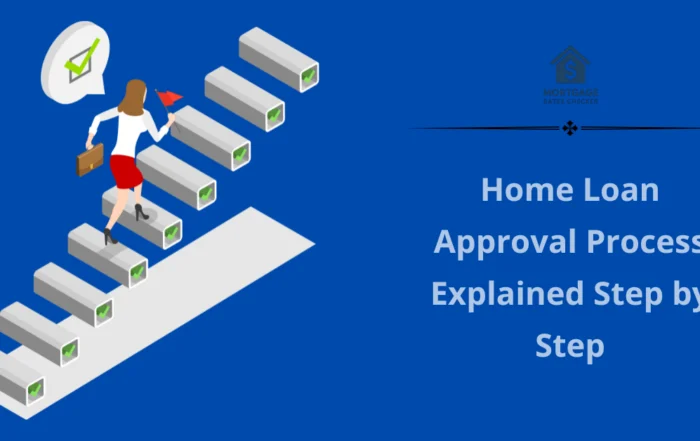
Home Loan Approval Process Explained Step by Step
The home loan approval process can feel confusing, especially for first-time buyers who don’t know what lenders look for. Many people assume approval happens..

The home loan approval process can feel confusing, especially for first-time buyers who don’t know what lenders look for.
Many people assume approval happens quickly, but lenders verify credit, income, debts, and property details in multiple stages.
Understanding each step helps you avoid delays and increase approval chances. This guide explains the home loan approval process step by step in simple language.
Mortgage approval is based on risk assessment. Lenders approve borrowers who show stable income, responsible credit behavior, manageable debt, and enough savings.
They also confirm the home is worth the purchase price through appraisal. The process takes time because lenders must verify everything before releasing large loan funds.
Step 1: Pre-Qualification (The Quick Starting Point)
Pre-qualification is the first step many buyers take when they want a rough estimate of how much they might qualify for.
This is usually based on basic information you provide, like income, debts, and credit score range. It is not a guarantee of approval, but it gives a starting budget so you can begin house hunting.
Pre-qualification is fast and often done online in minutes, but lenders do not verify your documents yet.
Buyers should treat pre-qualification as an estimate, not a promise. If you want a stronger idea of affordability, reviewing how much house can i really afford can help you plan more realistically.
Step 2: Mortgage Pre-Approval (The Real Approval Stage)
Pre-approval is the most important early step because it involves actual verification. The lender checks your credit report, reviews income documents, and evaluates your debt-to-income ratio.
After review, they issue a pre-approval letter showing how much they are willing to lend. Pre-approval makes you a stronger buyer because sellers take your offer more seriously.
However, pre-approval is still not final approval, and your loan can still be denied later if something changes.
To fully understand how this works, reading mortgage pre-approval explained can make the process much easier to handle.
Step 3: Submitting Documents to the Lender
After pre-approval, you must submit detailed documents to confirm your financial stability.
Lenders typically request pay stubs, tax returns, bank statements, employment verification, and proof of down payment funds.
If you are self-employed, lenders may require additional paperwork like profit-and-loss statements.
This step is important because lenders need proof that your income and savings are legitimate. Even small unexplained deposits can slow approval.
Many buyers get delayed here because they don’t prepare early. To avoid stress, reviewing what documents do first-time buyers need for a mortgage helps you stay organized and speed up the process.
Step 4: Loan Application and Initial Review
Once you choose a home and sign a purchase agreement, the lender officially starts your full mortgage application.
This includes entering all your financial details into the loan system and confirming the home purchase price, loan amount, and down payment.
The lender also provides initial disclosures, including estimated loan costs and monthly payment.
At this stage, buyers can choose loan types like conventional, FHA, VA, or USDA. Picking the right loan matters because requirements and costs vary.
Buyers should compare the full monthly cost, not just interest rate. Using a mortgage calculator with taxes and insurance can help estimate real monthly expenses accurately.
Step 5: Underwriting (The Most Important Approval Stage)
Underwriting is when the lender’s underwriting team reviews your full application and decides whether the loan meets approval guidelines.
They check your credit score, employment history, debt-to-income ratio, savings, and overall risk level.
Underwriters may request additional documentation called “conditions,” such as updated pay stubs or bank statements.
This step can feel stressful because lenders ask many questions, but it’s normal.
Underwriting exists to ensure you can repay the loan. Even small mistakes can cause delays.
If you want to improve your approval chances, learning what credit behaviors matter most before applying can help you avoid major red flags.
Step 6: Home Appraisal and Property Review
The lender orders a home appraisal to confirm the property is worth the purchase price. This protects the lender because the home serves as collateral.
If the appraisal comes in low, the lender may not approve the full loan amount unless the buyer pays the difference or renegotiates the price.
Lenders also review property condition, title history, and insurance requirements. This step ensures the home meets lender standards.
Many deals are delayed due to appraisal issues, especially in competitive housing markets. Buyers should understand that even if their finances are strong, the property must also qualify.
Step 7: Final Credit Check Before Closing
Many lenders run a final credit check shortly before closing. This is done to confirm you have not taken on new debt, missed payments, or changed your credit profile.
Buyers often get surprised by this step, but it is standard. If your credit score drops or your debt increases, the lender can delay or deny final approval.
This is why you should avoid buying a car, opening credit cards, or making large purchases during the mortgage process.
Understanding lender behavior is critical, and reading why lenders check credit more than once can help you avoid last-minute loan problems.
Step 8: Clear to Close and Final Loan Approval
Once underwriting conditions are satisfied and appraisal is approved, the lender issues a “clear to close.” This means your loan is officially approved and ready for final paperwork.
You will receive a Closing Disclosure outlining your final interest rate, monthly payment, closing costs, and cash needed at closing.
Buyers should review this carefully to confirm there are no unexpected fees. This step is your final confirmation before signing.
Even at this stage, borrowers should not change jobs or take on new debt. A clear-to-close is a major milestone and means you are very close to homeownership.
Step 9: Closing Day (Final Signing and Ownership Transfer)
Closing day is when you sign final loan documents and legally become the homeowner. You pay your down payment and closing costs, and the lender sends funds to complete the home purchase.
After closing, your mortgage loan begins, and you start monthly payments according to the schedule.
Some lenders keep the loan, while others transfer servicing to another company. Even if servicing changes, your loan terms remain the same.
Closing is the final step of approval, and it’s important to bring required documents, verify funds, and understand the final contract before signing.
Frequently Asked Questions
Conclusion
The home loan approval process includes pre-qualification, pre-approval, submitting documents, underwriting, appraisal, final credit review, and closing.
Each step exists to confirm you can afford the loan and that the home meets lender requirements. The process may feel long, but preparation makes it smooth and stress-free.
For more mortgage guidance, approval tools, and planning calculators, visit Mortgage Rates Checker to stay confident throughout your home buying journey.

Mortgage Calculator
Trending Mortgage


Don’t Miss These

Home Loans Explained: Types of Mortgage Loans for Buyers

The Ultimate Guide to Refinancing Your Mortgage