How Much House Can I Really Afford Right Now?
One of the biggest mistakes first-time buyers make is assuming the amount a lender approves is the amount they should..

One of the biggest mistakes first-time buyers make is assuming the amount a lender approves is the amount they should spend.
In reality, mortgage approval and personal affordability are two very different things. Rising home prices, fluctuating interest rates, and added ownership costs make this question more important than ever.
Understanding how much house you can really afford right now helps you avoid financial stress, protect your lifestyle, and buy with confidence instead of fear.
You can really afford a house when your total monthly housing costs fit comfortably within your income, leave room for savings, and don’t strain your lifestyle, regardless of how much a lender says you qualify for.
Lender Approval Is Not the Same as True Affordability
Lenders calculate affordability using formulas, not real-life expenses. Their goal is to determine how much risk they can accept, not how comfortable your life will be after closing.
Understanding mortgage basics helps buyers see why lender-approved amounts often feel too high in practice. Lenders typically focus on debt-to-income ratios, assuming the rest of your income can cover everything else.
But this ignores lifestyle costs like childcare, transportation, savings goals, and emergencies. First-time buyers who separate lender approval from personal affordability make safer decisions and avoid becoming house-poor shortly after moving in.
Monthly Housing Costs Are More Than the Mortgage
A common mistake is focusing only on principal and interest. Real housing costs also include property taxes, homeowners insurance, mortgage insurance, HOA fees, utilities, and maintenance.
Learning what a monthly mortgage payment truly includes helps buyers avoid budget shock. Even a modest increase in taxes or insurance can strain finances over time.
Buyers who account for the full picture before buying protect their cash flow and maintain flexibility for unexpected expenses. True affordability means your housing costs leave room for life, not consume it.
Income Stability Matters More Than Income Size
How consistent your income is matters just as much as how much you earn. Buyers with variable income, bonuses, or self-employment need larger safety margins.
Understanding how lenders view income helps first-time buyers plan realistically. A house that feels affordable during strong income months can become stressful during slower periods.
Buyers who choose affordability based on conservative income assumptions reduce risk and increase long-term stability.
This approach also helps during mortgage approval, since lenders prefer predictable income patterns.
Debt Levels Shape Your Comfort Zone
Existing debts: student loans, car payments, credit cards directly affect how much house you can comfortably afford.
Even if lenders allow higher ratios, carrying too much debt alongside a mortgage increases financial pressure.
Understanding debt-to-income basics helps buyers evaluate whether reducing debt before buying makes sense.
Lower debt creates breathing room and improves flexibility. Buyers who prioritize manageable debt alongside housing costs feel more secure and are better positioned for future financial goals.
Down Payment Size Changes Long-Term Costs
A down payment affects more than just upfront cash. It influences monthly payments, mortgage insurance, and interest costs over time. Exploring down payment options helps buyers balance affordability today with long-term savings.
Putting less down can make buying possible sooner, but it may increase monthly costs. Putting more down reduces payments but limits cash reserves.
The right choice depends on income stability, emergency savings, and comfort with monthly obligations. Smart buyers focus on balance, not extremes.
Interest Rates Can Redefine Affordability Quickly
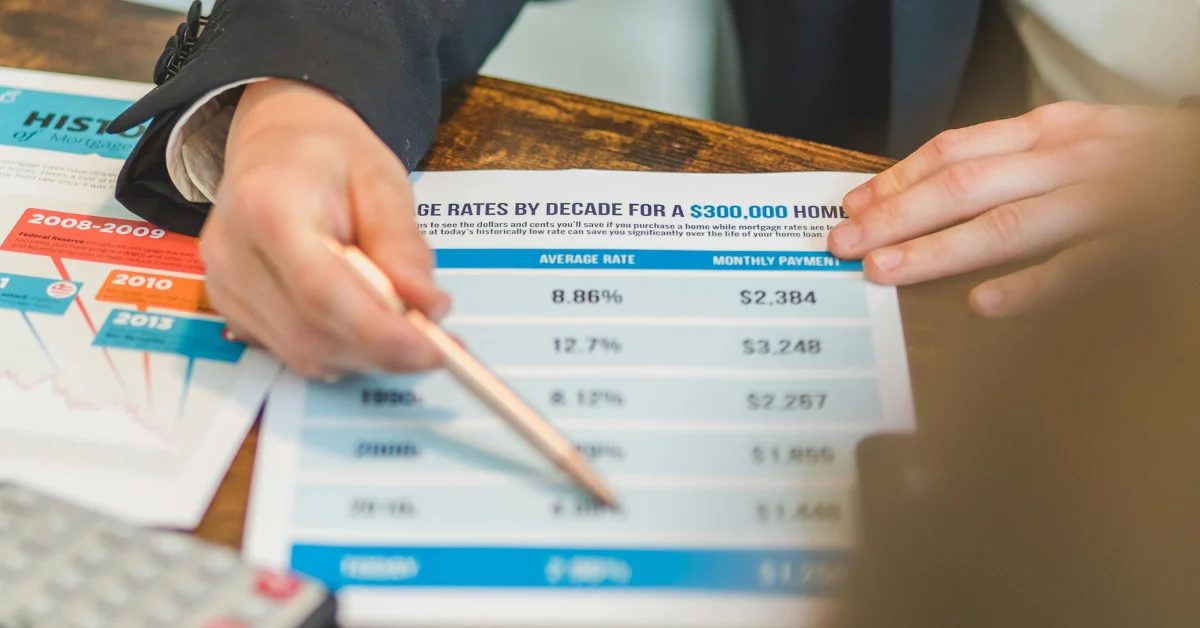
Even small rate changes can significantly affect monthly payments. Understanding how mortgage rates work helps buyers see why timing matters.
A home that felt affordable months ago may no longer fit comfortably after rate increases.
Buyers who calculate affordability using current rates and leave room for fluctuations, avoid unpleasant surprises.
This is especially important for first-time buyers who don’t yet have home equity or refinancing flexibility.
Use Calculators to Test Real-Life Scenarios
Mortgage calculators help buyers move from guesswork to clarity. Using a mortgage affordability calculator allows you to test different prices, rates, and down payments without pressure.
These tools help visualize how changes affect monthly costs and long-term budgets.
Buyers who use calculators before talking to lenders ask better questions and make more confident decisions. Calculators don’t decide for you but they give you control.
Think Beyond Today’s Payment
Affordability isn’t static. Property taxes rise, insurance costs increase, and life changes happen.
Understanding homeownership costs long term helps buyers avoid stretching too far today.
A truly affordable home leaves room for savings, emergencies, and future goals. Buyers who plan for change, not perfection enjoy homeownership without financial anxiety.
Conclusion
Knowing how much house you can really afford right now is about honesty, not optimism.
When buyers understand their full costs, income stability, and long-term goals, they make decisions that support, not strain their lives.
Lender approval is just one piece of the puzzle. Exploring the first-time home buyer guide and understanding home loans explained can help you choose a home that feels comfortable today and sustainable tomorrow.
Frequently Asked Questions
Mortgage Calculator
Recommended Mortgage Tools
Refinance Break-Even Calculator
See how long it takes to recover refinance costs.
Debt-to-Income Ratio Calculator
Check if your income supports mortgage approval.
Refinance Readiness Checker
Find out if now is the right time to refinance.
Mortgage Eligibility Checker
Quickly see if you qualify for a home loan.
First-Time Buyer Readiness
Know if you're ready to buy your first home.
Mortgage Pre-Approval Calculator
Estimate how much you can borrow instantly.
Next Read
Featured Mortgage Insights
Many families are delaying home loan decisions as rising housing costs, mortgage rate uncertainty, and long-term financial commitments create hesitation. Buyers are taking more time to evaluate affordability, savings stability, and future financial risks before committing to homeownership.

Featured Mortgage Insights
Mortgage rates may appear stable, but buyer behavior continues to evolve as affordability concerns and long-term financial planning influence homeownership decisions. Buyers are reassessing budgets, loan choices, and purchase timing despite consistent borrowing conditions.
Featured Mortgage Insights
Mortgage payments often feel like they should stay the same forever, especially if you have a fixed-rate loan. But..



About the Author: Ratiranjan Singha

Don’t Miss These