Instant Loan Repayment: How to Avoid Penalties & Pay Less Interest
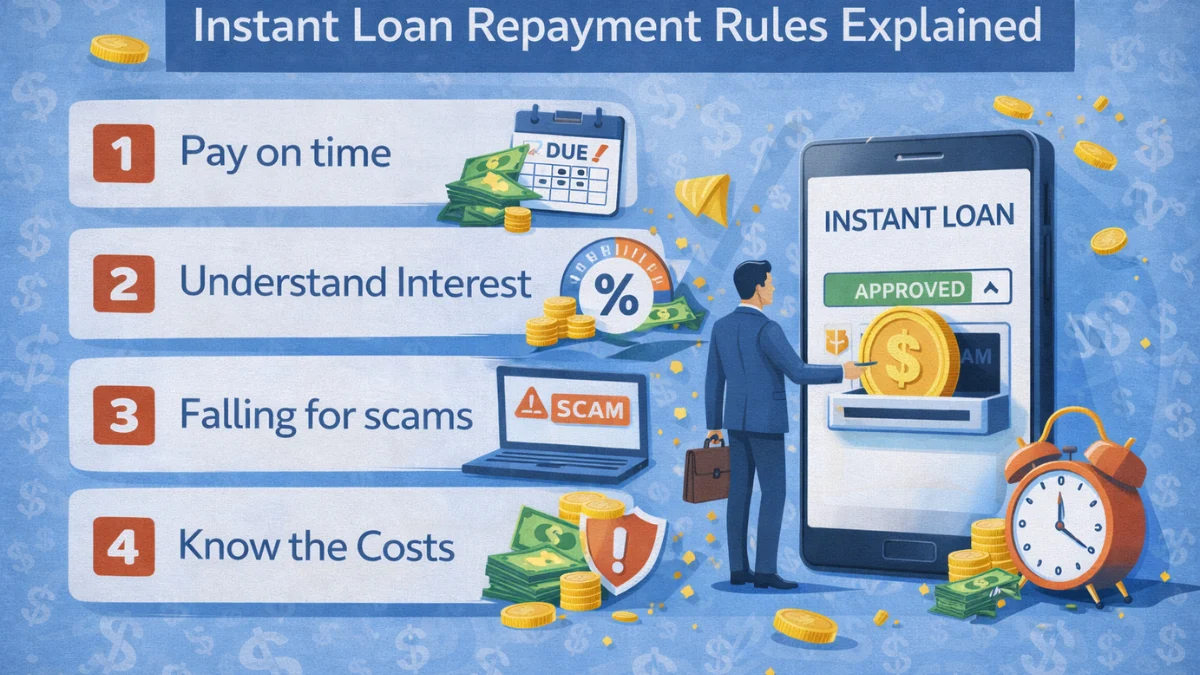
Instant loans are easy to get, but repayment is where many borrowers struggle. Short terms, high interest, and strict rules can quickly create financial pressure.
Understanding instant loan repayment rules helps you avoid penalties, manage your loan properly, and protect your credit score.
What Is Instant Loan Repayment?
Instant loan repayment is the process of paying back the borrowed amount along with interest within a short period.
Unlike traditional loans, instant loans usually have shorter repayment cycles and stricter timelines. Payments may be structured as EMI or a lump-sum repayment depending on the lender.
Since the repayment window is limited, planning ahead is essential.
If you’re new to borrowing, reviewing an instant loan guide helps you understand how repayment fits into the overall loan process.
How Instant Loan Repayment Works
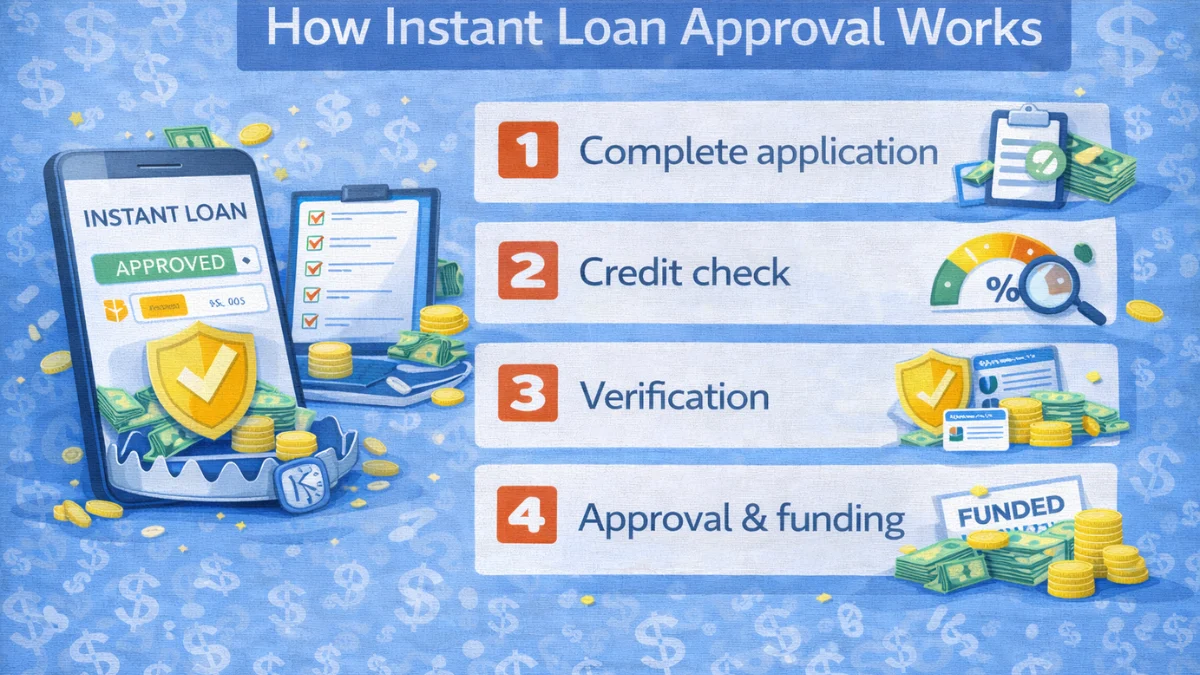
Once your loan is approved and disbursed, repayment begins according to the agreed schedule. You must pay back the loan either in fixed installments or a single payment by the due date.
Most lenders provide a repayment calendar so you know exactly when payments are due. Missing deadlines can lead to penalties and additional charges.
Understanding the process through instant loan approval process helps you know when repayment starts and how it is structured.
Types of Instant Loan Repayment Methods
Instant loans can have different repayment methods depending on the lender.
Some loans require EMI payments spread over a few months, while others require a lump-sum repayment at the end of the term.
Some lenders also offer auto-debit options from your bank account for convenience. Choosing the right repayment method depends on your financial situation.
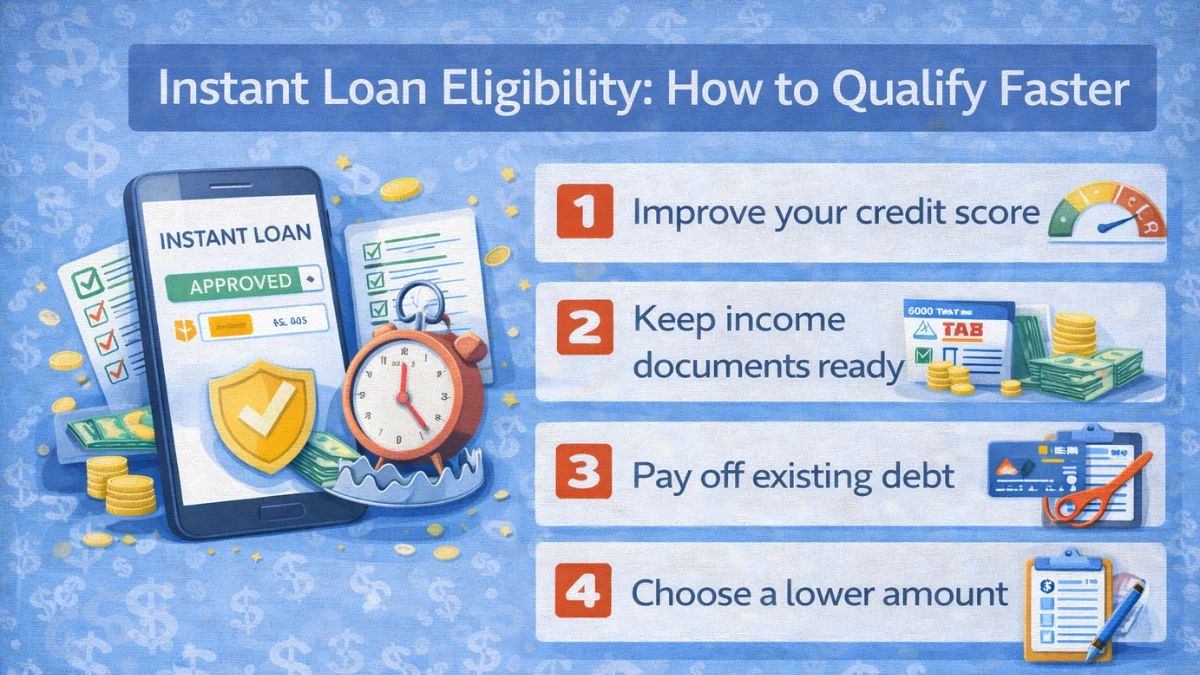
Understanding instant loan eligibility helps you select a loan structure that fits your income and repayment capacity.
Understanding Interest and Charges in Repayment
Interest is a key part of instant loan repayment and can significantly increase your total cost.
In addition to interest, lenders may charge processing fees, late payment penalties, and service charges.
These costs can add up quickly if you’re not careful. Always calculate the total repayment amount before accepting the loan.
Understanding instant loan risks helps you identify hidden charges and avoid overpaying.
Repayment Schedule and Due Dates
Every instant loan comes with a fixed repayment schedule that includes due dates for payments. Sticking to this schedule is crucial to avoid penalties and maintain a good credit score.
Some lenders send reminders, but it’s your responsibility to track payments. Setting reminders or enabling auto-debit can help you stay on track.
Understanding instant loan documents also helps you keep your financial details organized for smooth repayment.
What Happens If You Miss a Payment?
Missing a payment can lead to serious consequences. Lenders may charge late fees, increase your interest rate, or report the delay to credit agencies.
Repeated missed payments can result in default, which damages your credit score and future borrowing ability. Some lenders may also use aggressive recovery practices.
Understanding instant loan risks helps you avoid these situations and stay disciplined with repayments.
Can You Repay an Instant Loan Early?
Many lenders allow early repayment, which can help you save on interest.
However, some may charge prepayment fees or penalties. It’s important to check your loan agreement before making early payments.
Paying off your loan early reduces your debt burden and improves your financial flexibility. Planning ahead ensures you make the most of early repayment options.
How to Manage Instant Loan Repayment Easily
Managing repayment becomes easier with proper planning. Always choose a loan amount that fits your budget and income. Track your expenses and set aside funds for repayment.
Using auto-debit or reminders can help you avoid missing payments. Staying organized ensures you meet deadlines without stress.
Learning from instant loan mistakes helps you avoid common repayment issues.
Tips to Avoid Repayment Problems
To avoid repayment problems, borrow only what you need and ensure you can repay it comfortably. Avoid taking multiple loans at the same time, as this increases financial pressure.
Always read the terms carefully before applying. Maintaining a financial buffer can help you handle unexpected situations.
Understanding avoid instant loan scams also ensures you deal with fair lenders who follow ethical practices.
Common Repayment Mistakes to Avoid
Many borrowers ignore repayment planning and focus only on getting the loan approved. Others miss due dates or underestimate interest costs.
These mistakes can lead to financial stress and increased debt. Being aware of these issues helps you stay disciplined.
Understanding instant loan eligibility also helps you apply for loans that match your financial capacity.
Frequently Asked Questions
Conclusion
Instant loan repayment rules are strict and require careful planning. Short repayment periods and high interest rates make it essential to stay disciplined and organized.
By understanding how repayment works, tracking your payments, and using insights from an instant loan guide, you can avoid penalties and manage your loan effectively.
The key is to borrow responsibly and ensure your repayment plan fits your financial situation.

I create mortgage calculator and loan calculators, along with Guides for Mortgagerateschecker, helping users understand mortgage rates, personal loans, auto loans, student loans, and overall loan affordability. Content is for educational purposes only and not financial advice.