
Loan Calculator: Monthly Payment & Interest Estimate
A Loan Calculator helps estimate monthly loan payments based on the loan amount, interest rate, and loan term...
A Loan Calculator helps estimate monthly loan payments based on the loan amount, interest rate, and loan term. It calculates how much you’ll pay each month and the total interest paid over the life of the loan.
This calculator can be used for many types of loans, including personal loans, auto loans, education loans, and mortgages.
By adjusting the inputs, borrowers can compare loan options and understand how interest rates and loan terms affect affordability.
Loan calculators are useful for budgeting, loan comparisons, and financial planning before applying for a loan.
Loan calculations assume fixed interest rates and consistent payments. Actual loan terms may vary based on lender policies, fees, and repayment schedules. Always review the full loan agreement before borrowing.
Important: This loan calculator provides estimated results for informational purposes only and does not constitute financial advice or a loan offer. Actual loan terms, rates, and payments may vary. Please review our Disclaimer for full details.
A Loan Calculator is often the first tool people use when they’re trying to make sense of borrowing but most calculators oversimplify things. This one is built to help you understand how different loans actually behave over time.
Whether you’re estimating a car payment, testing a home loan scenario, or thinking about consolidating debt, the goal is clarity before commitment.
Instead of relying on lender promises or vague estimates, this calculator lets you explore repayments, interest impact, and timelines on your own terms.
Loan Calculator
A Loan Calculator helps you estimate your monthly payment, total interest, and repayment timeline based on the loan amount, interest rate, and loan term.
It’s often the first step people take before applying for any type of loan and for good reason.
But the real purpose of a loan calculator isn’t just to show numbers. It’s to help you understand whether a loan fits your budget comfortably and sustainably.
What a Loan Calculator Typically Shows
Most loan calculators estimate:
- Monthly repayment amount
- Total interest paid over the loan term
- Total amount repaid
This gives you a clear overview of the financial shape of a loan, but it doesn’t automatically tell you whether the loan is a good idea. That depends on how the payment fits into your broader financial life.
This is why many users compare calculator results with what monthly payment is safe before moving forward.
Why Monthly Payment Matters More Than Loan Size
A large loan with a long term can feel affordable because the monthly payment is low but that often comes at the cost of much higher total interest. Two loans with the same amount can feel very different depending on:
- Interest rate
- Loan term length
- Repayment structure
This is why experienced borrowers prioritize monthly cash flow first, then total cost.
How Interest Rate and Loan Term Work Together
Interest rate and loan term are closely connected:
- Lower rates reduce both monthly payments and total interest
- Longer terms reduce monthly payments but increase total interest
A loan calculator helps you test these trade-offs side by side. Borrowers often explore multiple scenarios before deciding which balance feels right.
Understanding how interest really works helps explain why a “small” rate difference can matter a lot over time.
Who Should Use a Loan Calculator?
A Loan Calculator is useful if you are:
- Comparing loan offers from multiple lenders
- Planning a personal, auto, education, or business loan
- Deciding between shorter vs longer repayment terms
- Stress-testing payments against your income
Borrowers managing multiple obligations often use loan estimates alongside debt-to-income checks to avoid overextending.
What This Calculator Does Not Fully Include
While helpful, a standard loan calculator does not account for:
- Origination or processing fees
- Variable interest rate changes
- Insurance add-ons
- Late payment penalties or deferments
Because of this, the calculator should be treated as a planning tool, not a final loan offer.
How to Use a Loan Calculator?
The most effective way to use a Loan Calculator is to:
- Choose a payment that feels comfortable, not tight
- Avoid stretching to the maximum amount shown
- Test slightly higher interest rates to reduce surprise risk
- Leave room for savings and emergencies
Some borrowers later revisit these numbers when exploring refinance options or restructuring existing loans.
Frequently Asked Questions
Conclusion
Getting approved for a loan doesn’t mean it’s the right loan for you. A Loan Calculator helps you step back, test scenarios, and choose a repayment structure that supports long-term financial stability, not short-term convenience.
Mortgage Calculator
Recommended Mortgage Tools
Refinance Break-Even Calculator
See how long it takes to recover refinance costs.
Debt-to-Income Ratio Calculator
Check if your income supports mortgage approval.
Refinance Readiness Checker
Find out if now is the right time to refinance.
Mortgage Eligibility Checker
Quickly see if you qualify for a home loan.
First-Time Buyer Readiness
Know if you're ready to buy your first home.
Mortgage Pre-Approval Calculator
Estimate how much you can borrow instantly.
Related Posts
Featured Mortgage Insights
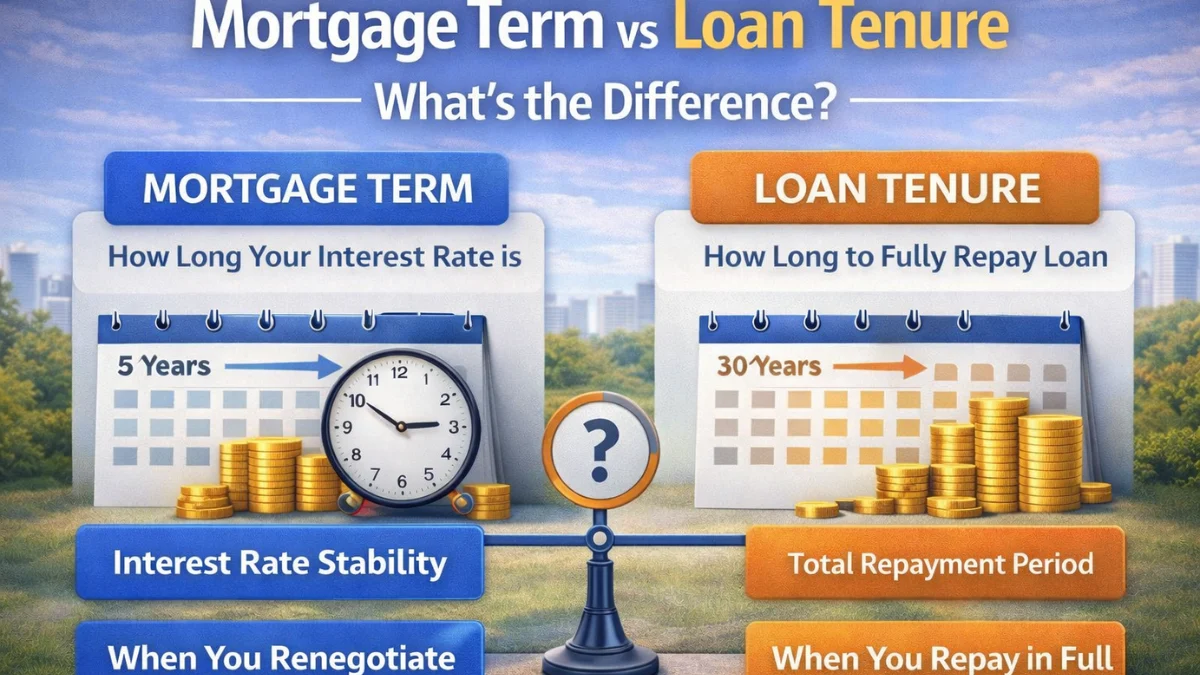
Mortgage term is the period your interest rate is fixed, while loan tenure is the total time to repay the loan. Both impact payments, refinancing, and total interest.

Featured Mortgage Insights
Mortgage rates are influencing buyer budgets more than expected as borrowing costs directly affect monthly payments and long-term affordability. Many buyers are adjusting spending limits and home search plans to align mortgage commitments with financial stability.
Featured Mortgage Insights
Many homebuyers are closely watching mortgage rates before making property offers, as borrowing costs directly influence affordability and monthly payments. Rate movements are increasingly shaping purchase timing and buyer confidence across today’s housing market.


About the Author: Ratiranjan Singha