New vs Used Auto Loan: Which One Is the Smarter Choice?
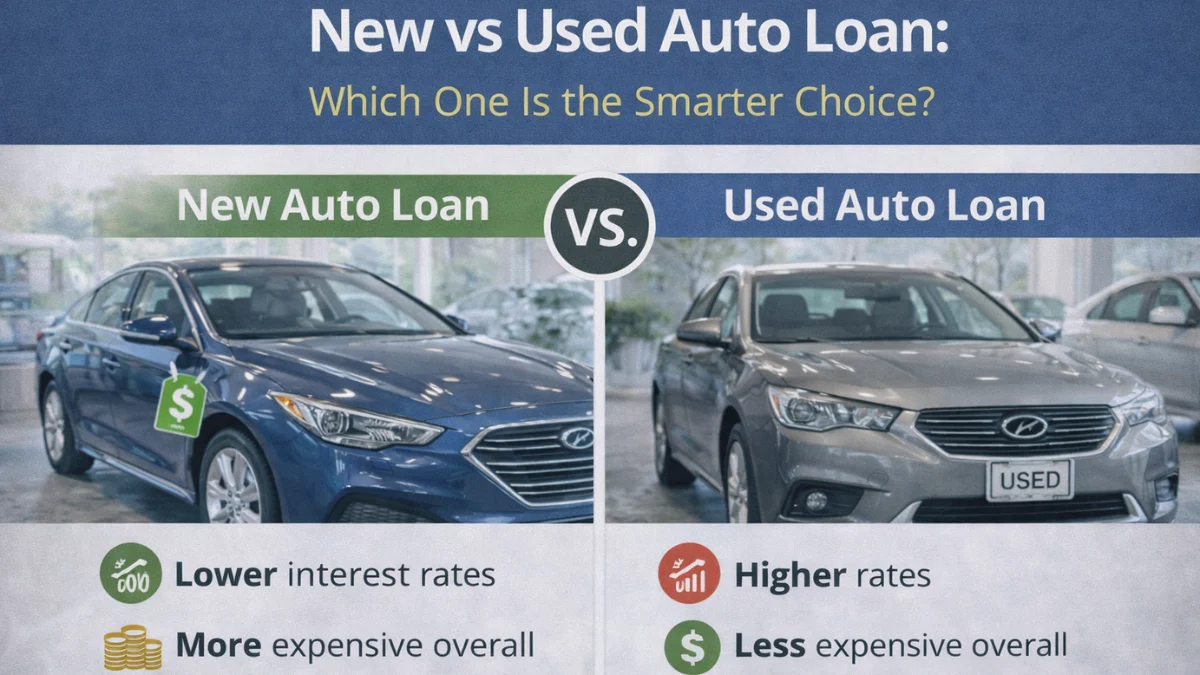
Choosing between a new or used car isn’t just about price, it also affects your auto loan terms, interest rates, and long-term costs.
Many buyers overlook how financing differs between new and used vehicles.
Understanding these differences helps you make a smarter financial decision and avoid overpaying.
What Is the Difference Between New and Used Auto Loans?
New and used auto loans both finance vehicle purchases, but they differ in risk, interest rates, and loan conditions.
New car loans are considered less risky by lenders because the vehicle has higher value and reliability, resulting in lower interest rates.
Used car loans, however, often come with slightly higher rates due to depreciation and potential maintenance risks. The loan structure remains similar, but the overall cost can vary significantly.
If you’re new to borrowing, understanding how auto loans work helps you see why lenders treat new and used vehicles differently.
Interest Rates: Which Option Is Cheaper?
Interest rates are one of the biggest differences between new and used auto loans.
New cars usually qualify for lower interest rates, sometimes even promotional 0% financing offers.
Used cars, on the other hand, often have higher rates because lenders consider them riskier assets.
However, lower interest doesn’t always mean lower total cost. Since new cars are more expensive, you may still pay more overall.
Learning how auto loan interest works helps you compare real costs instead of focusing only on interest rates.
Monthly Payments: New vs Used Car Loans
Monthly payments depend on the loan amount, interest rate, and term length.
New car loans typically result in higher monthly payments because of the higher purchase price, even if interest rates are lower.
Used car loans usually have lower monthly payments since the vehicle costs less upfront.
However, higher interest rates can slightly increase those payments. Before deciding, it’s important to estimate your payments using an auto loan calculator to see which option fits your budget comfortably.
Total Cost Over Time: Which Saves More Money?
When comparing total cost, used cars often come out ahead because of lower purchase prices and reduced depreciation.
New cars lose value quickly in the first few years, which increases the overall cost of ownership.
Even with lower interest rates, the higher initial price of a new car can make it more expensive in the long run. Used cars, despite slightly higher rates, usually offer better value.
Understanding auto loan affordability planning helps you evaluate both options based on your financial situation.
Depreciation: The Hidden Cost Most Buyers Ignore
Depreciation is one of the biggest financial factors when choosing between new and used cars.
A new car can lose 20%–30% of its value within the first year, while used cars depreciate at a slower rate.
This means you may owe more than the car is worth if you choose a new vehicle with a long loan term. Used cars reduce this risk significantly.
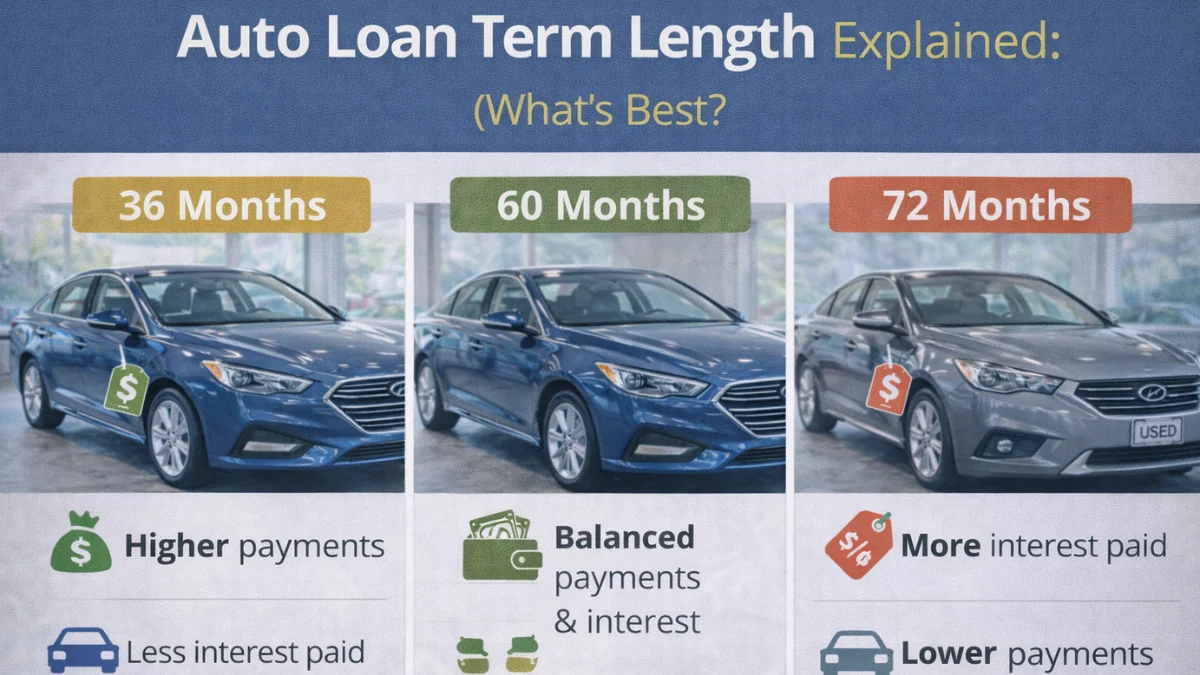
Learning about depreciation alongside auto loan term length options helps you avoid negative equity and make a smarter decision.
Loan Approval and Requirements
Approval criteria for new and used auto loans are similar, but lenders may have stricter requirements for used vehicles, especially older models.
Some lenders limit financing based on the car’s age or mileage.
New car loans are generally easier to approve and may come with promotional offers from dealerships.
Preparing in advance by understanding auto loan approval factors can help you secure better loan terms regardless of your choice.
Maintenance and Reliability Costs
While used cars are cheaper upfront, they may come with higher maintenance and repair costs over time.
New cars usually include warranties, reducing unexpected expenses in the early years.
This is an important factor when calculating the true cost of ownership.
A slightly higher loan payment for a new car might be offset by lower maintenance costs.
Evaluating these factors along with auto loan hidden fees ensures you understand the complete financial picture.
When a New Auto Loan Makes More Sense
A new auto loan may be the better choice if you want the latest features, lower interest rates, and minimal maintenance costs.
It’s also ideal for buyers who plan to keep the car long-term and value reliability. Promotional financing deals can make new cars more attractive in certain situations.
Understanding auto loan pre-approval benefits can help you secure the best possible deal when purchasing a new vehicle.
When a Used Auto Loan Is the Smarter Option
A used auto loan is often the smarter choice for buyers looking to save money and avoid rapid depreciation.
Lower purchase prices make it easier to manage monthly payments and reduce overall debt.
This option is ideal for budget-conscious buyers or those who want to minimize financial risk.
Exploring auto loan affordability strategies helps you determine whether a used car aligns better with your financial goals.
Common Mistakes When Choosing Between New and Used Loans
Many buyers focus only on monthly payments without considering total cost, depreciation, or long-term expenses.
Others choose new cars for lower interest rates without realizing the higher overall cost.
Ignoring maintenance costs for used cars can also lead to unexpected expenses. To avoid these issues, it’s important to compare both options carefully.
Learning from auto loan mistakes to avoid helps you make a smarter and more informed decision.
Frequently Asked Questions
Conclusion
Choosing between a new and used auto loan depends on your budget, financial goals, and priorities.
New cars offer lower interest rates and reliability, while used cars provide better value and lower overall costs.
By comparing total expenses, understanding depreciation, and using tools like an auto loan calculator, you can make a smarter decision.
The right choice is the one that balances affordability, long-term savings, and your personal needs.

I create mortgage calculators and simple guides for Mortgage Rates Checker, helping users understand mortgage rates, refinancing, and home loan affordability. Content is for educational purposes only and not financial advice.