How to Refinance an Auto Loan and Lower Your Monthly Payment
Refinancing an auto loan can help you reduce monthly payments, lower your interest rate, or improve loan terms.
Many borrowers overpay simply because they don’t explore refinancing options.
Understanding how auto loan refinancing works can help you save money and regain control of your finances.
What Is Auto Loan Refinancing and How Does It Work?
Auto loan refinancing means replacing your current car loan with a new one, usually from a different lender, with better terms.
This could include a lower interest rate, reduced monthly payments, or a shorter loan term.
The new lender pays off your existing loan, and you start making payments under the new agreement.
Refinancing is most beneficial when your financial situation has improved or interest rates have dropped.
Understanding how auto loans work helps you see why refinancing can be a powerful tool to reduce long-term costs.
When Should You Refinance Your Auto Loan?
Timing is crucial when refinancing your auto loan.
The best time to refinance is when your credit score has improved, market interest rates have decreased, or your financial situation has become more stable.
Refinancing early in your loan term often provides the most savings because you reduce interest costs sooner.
However, if your loan is nearly paid off, refinancing may not offer significant benefits.
Evaluating your situation using an auto loan calculator helps you determine whether refinancing makes financial sense.
How Refinancing Lowers Your Monthly Payment
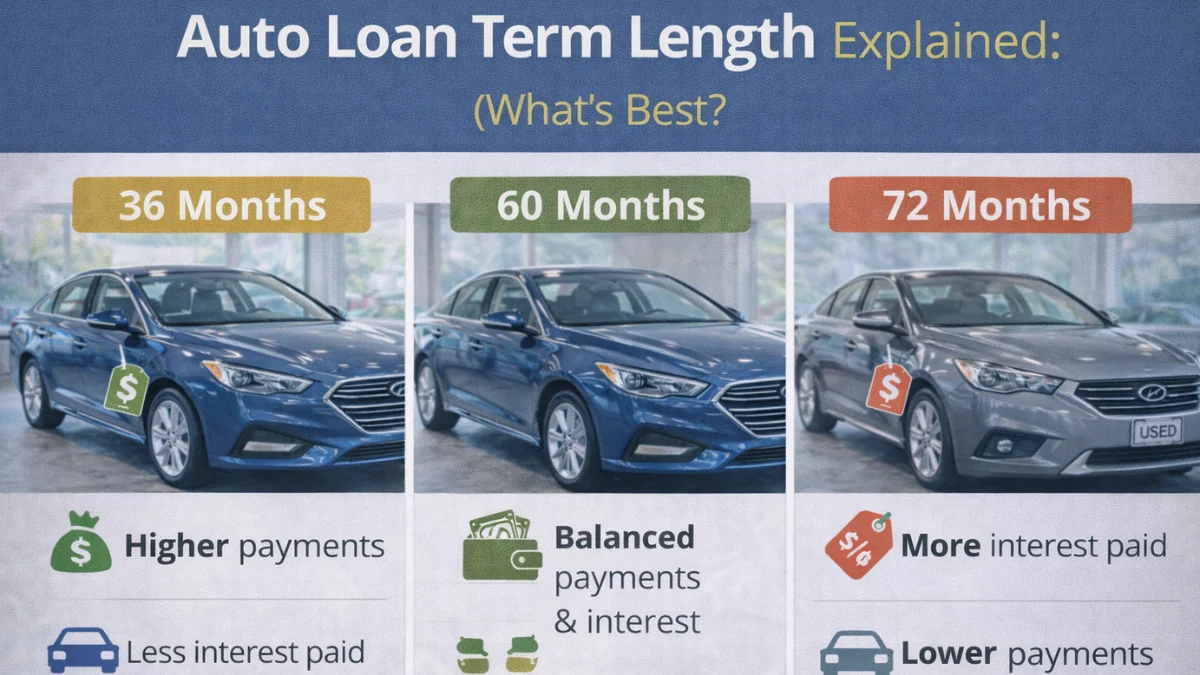
Refinancing can lower your monthly payment in two main ways: by reducing your interest rate or extending your loan term.
A lower interest rate decreases the cost of borrowing, while a longer term spreads payments over a longer period, reducing monthly amounts.
However, extending the term may increase total interest paid. It’s important to balance short-term affordability with long-term cost.
Understanding auto loan monthly payments helps you see how refinancing changes your payment structure.
Steps to Refinance an Auto Loan Successfully
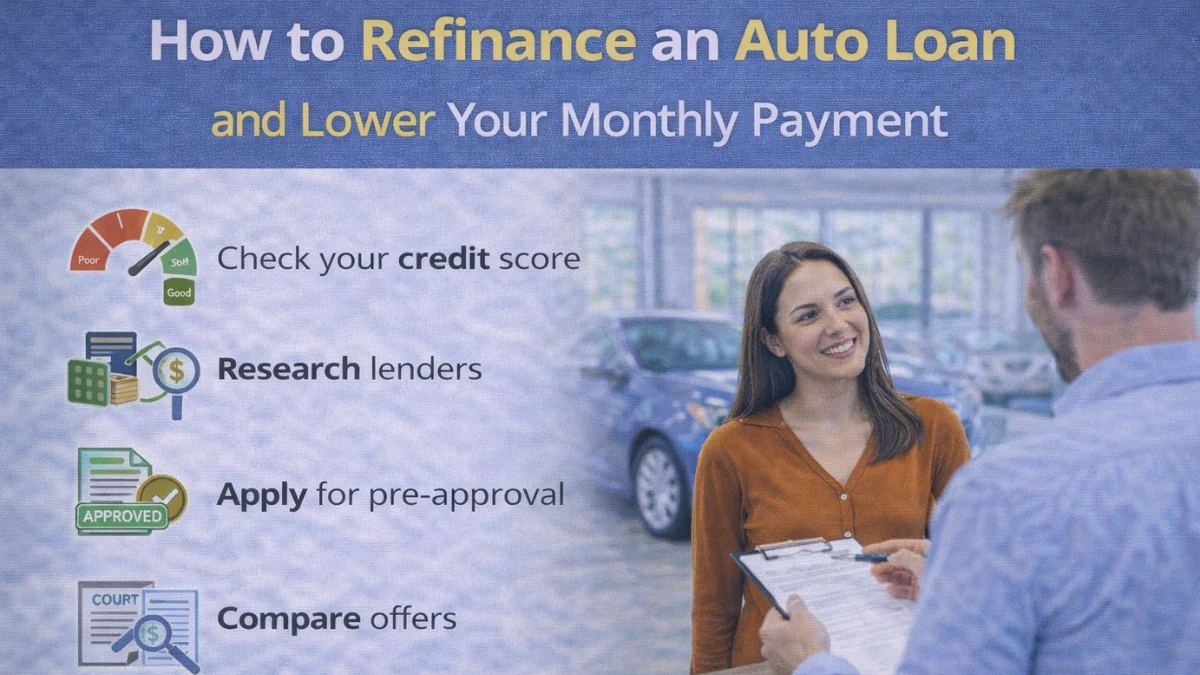
Refinancing your auto loan involves a few simple steps. First, check your credit score and review your current loan terms.
Next, compare offers from multiple lenders to find better rates.
Then, apply with your chosen lender and provide required documents such as income proof and loan details. Once approved, the new lender pays off your existing loan.
Finally, you begin making payments on the new loan. Following these steps ensures a smooth refinancing process.
Learning about auto loan approval factors helps you prepare for better loan offers.
Requirements to Qualify for Auto Loan Refinancing
To qualify for refinancing, lenders typically look at your credit score, income, loan balance, and vehicle value.
A higher credit score increases your chances of securing a lower interest rate.
Lenders may also have requirements regarding the age and condition of the vehicle. If your car has depreciated significantly, refinancing options may be limited.
Understanding auto loan affordability planning helps you evaluate whether you meet the requirements and can benefit from refinancing.
Pros and Cons of Refinancing an Auto Loan
Refinancing offers several benefits, including lower monthly payments, reduced interest rates, and improved cash flow.
It can also help you adjust your loan terms to better fit your financial situation.
However, there are potential downsides, such as fees, extended loan terms, and the possibility of paying more interest over time.
It’s important to weigh these factors carefully before deciding.
Learning from auto loan mistakes to avoid ensures you don’t refinance in a way that increases your total cost.
How Much Can You Save by Refinancing?
The amount you save depends on your new interest rate, loan term, and remaining balance.
Even a small reduction in interest rate can lead to significant savings over time. Lower monthly payments can also free up cash for other financial goals.
However, it’s important to calculate total savings rather than focusing only on monthly reductions.
Using an auto loan calculator helps you compare your current loan with refinancing options and estimate potential savings accurately.
Common Mistakes to Avoid When Refinancing
Many borrowers refinance without comparing multiple lenders, leading to less favorable terms. Others extend their loan term too much, increasing total interest paid.
Ignoring fees or refinancing too late in the loan term can also reduce benefits. It’s important to evaluate all aspects before making a decision.
Following advice from auto loan mistakes to avoid helps you refinance wisely and maximize your savings.
Can You Refinance with Bad Credit?
Yes, refinancing is possible even with bad credit, but it may be more challenging. Lenders may offer higher interest rates or stricter terms.
However, if your credit has improved since you first took the loan, you may still qualify for better rates. Adding a co-signer or improving your financial profile can increase your chances.
Understanding how to get auto loan approval fast helps you prepare and improve your eligibility for refinancing.
Does Refinancing Affect Your Credit Score?
Refinancing may cause a small temporary dip in your credit score due to a hard inquiry.
However, if you make timely payments on your new loan, your credit score can improve over time. Lower interest rates and better loan terms can also reduce financial stress.
Understanding auto loan approval factors helps you manage your credit responsibly during the refinancing process.
Frequently Asked Questions
Conclusion
Refinancing your auto loan is a smart way to reduce monthly payments, lower interest rates, and improve your financial situation.
However, it’s important to evaluate your options carefully and consider both short-term and long-term impacts.
By comparing lenders, understanding your loan terms, and using tools like an auto loan calculator, you can make an informed decision.
Done correctly, refinancing can save you money and help you manage your loan more effectively.

I create mortgage calculators and simple guides for Mortgage Rates Checker, helping users understand mortgage rates, refinancing, and home loan affordability. Content is for educational purposes only and not financial advice.