Refinance HELOC: Fixed vs Variable Options
Refinancing a HELOC (Home Equity Line of Credit) can be a smart move when rising interest rates, unpredictable payments,..

Refinancing a HELOC (Home Equity Line of Credit) can be a smart move when rising interest rates, unpredictable payments, or long-term planning concerns start to feel uncomfortable.
The big decision most homeowners face is whether to refinance a HELOC into a fixed-rate option or keep a variable-rate structure.
This guide explains how HELOC refinancing works, how fixed and variable options differ, and how to choose the right path based on risk, cost, and stability.
What It Means to Refinance a HELOC
Refinancing a HELOC involves replacing your existing line of credit with a new loan or loan structure. This may mean:
- Converting a variable HELOC into a fixed-rate loan
- Rolling the HELOC into a new first mortgage
- Restructuring repayment terms for stability
Understanding refinance home equity line of credit heloc helps clarify the available refinance paths.
How Variable-Rate HELOC Work
Most HELOCs start with variable interest rates tied to a benchmark (like the prime rate).
Payments fluctuate as rates change, which can be manageable when rates are low but risky when rates rise quickly.
During repayment periods, payment volatility can strain cash flow.
How Fixed-Rate HELOC Refinance Options Work
A fixed-rate HELOC refinance locks in a single interest rate for the life of the loan. This can be done by:
- Converting the HELOC balance into a fixed-rate loan
- Refinancing into a standard mortgage
- Using lender-offered fixed “conversion” options
Fixed rates bring predictability, but they may start slightly higher than variable rates.
Fixed vs Variable: The Core Difference
The main difference comes down to risk vs flexibility:
- Variable rates may start lower but can increase unpredictably
- Fixed rates offer stability and budgeting certainty
This trade-off becomes especially important when rates are volatile or near cycle highs.
Interest Rate Behavior Over Time
Variable HELOC rates rise and fall with market conditions. Fixed rates remain unchanged regardless of market movement.
Comparing home equity refinance rates explained helps show how lenders price stability versus flexibility.
Monthly Payment Predictability Compared
With variable rates:
- Payments can rise unexpectedly
- Long-term budgeting is harder
With fixed rates:
- Payments stay the same
- Planning becomes easier
- Long-term risk is reduced
This is why many homeowners refinance HELOCs specifically for payment certainty.
Total Interest Cost Differences
Variable rates can be cheaper or more expensive over time depending on rate movement.
Fixed rates usually cost more upfront but protect against long-term spikes. The “cheapest” option often isn’t clear until years later.
HELOC Refinance vs Cash-Out Refinance
Some homeowners choose to refinance a HELOC by rolling it into a new mortgage. This is different from pulling new equity.
Reviewing home equity refinance how it differs from cash out helps avoid accidentally increasing debt when the goal is simply stability.
HELOC Refinance vs Second Mortgage
Another option is converting a HELOC into a fixed second mortgage. This preserves your first mortgage while stabilizing the HELOC balance.
Comparing second mortgage vs refinance whats the difference helps clarify when this structure makes sense.
Credit Score and Equity Considerations
Refinancing a HELOC usually requires:
- Sufficient remaining equity
- Acceptable credit score
- Stable income
Higher equity and stronger credit improve access to fixed-rate options and better pricing.
When a Fixed-Rate HELOC Refinance Makes Sense
A fixed-rate option often makes sense when:
- Rates are rising or volatile
- You want predictable payments
- You plan to carry the balance long-term
- Cash-flow stability matters more than flexibility
This is a risk-reduction move, not just a rate play.
When Keeping a Variable Rate May Be Reasonable
A variable-rate HELOC may still work if:
- The balance is small
- You plan to pay it off quickly
- You can absorb payment increases
- You value flexibility
This approach carries more risk but may reduce short-term cost.
How Lenders Evaluate HELOC Refinances
Lenders review:
- Combined loan-to-value (CLTV)
- Credit score and history
- Income stability
- Property type
Understanding get a refinance quote what lenders look at helps prepare for approval and pricing.
How to Choose the Right HELOC Refinance Option
Before deciding, compare:
- Current vs projected payments
- Worst-case variable-rate scenarios
- Total interest over time
- Your risk tolerance
Running scenarios with calculating mortgage refinance savings turns this into a data-driven decision.
Conclusion
Refinancing a HELOC into a fixed or variable option isn’t about chasing the lowest rate, it’s about choosing the level of risk you’re comfortable carrying.
Variable rates offer flexibility but uncertainty. Fixed rates cost more upfront but deliver peace of mind.
The right choice depends on how long you’ll carry the balance, how stable your income is, and whether predictability matters more than potential savings. When aligned with your financial reality, a HELOC refinance can turn uncertainty into control.
Mortgage Calculator
Recommended Mortgage Tools
Refinance Break-Even Calculator
See how long it takes to recover refinance costs.
Debt-to-Income Ratio Calculator
Check if your income supports mortgage approval.
Refinance Readiness Checker
Find out if now is the right time to refinance.
Mortgage Eligibility Checker
Quickly see if you qualify for a home loan.
First-Time Buyer Readiness
Know if you're ready to buy your first home.
Mortgage Pre-Approval Calculator
Estimate how much you can borrow instantly.
Next Read
Featured Mortgage Insights
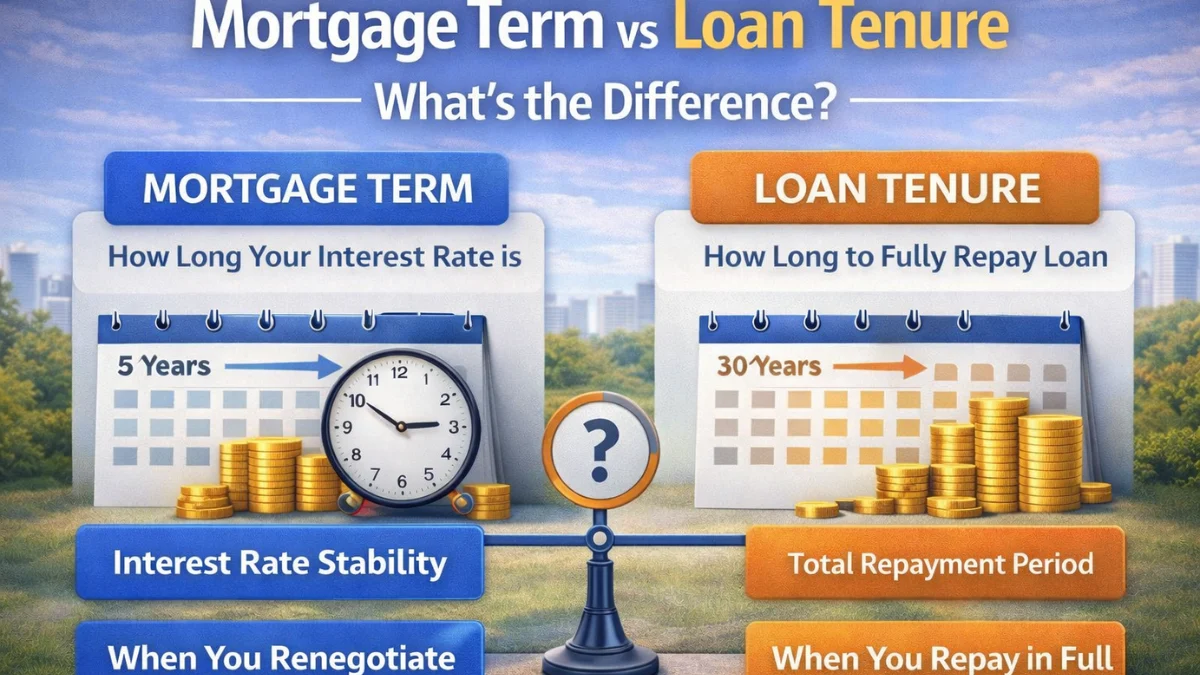
Mortgage term is the period your interest rate is fixed, while loan tenure is the total time to repay the loan. Both impact payments, refinancing, and total interest.

Featured Mortgage Insights
Mortgage rates are influencing buyer budgets more than expected as borrowing costs directly affect monthly payments and long-term affordability. Many buyers are adjusting spending limits and home search plans to align mortgage commitments with financial stability.
Featured Mortgage Insights
Many homebuyers are closely watching mortgage rates before making property offers, as borrowing costs directly influence affordability and monthly payments. Rate movements are increasingly shaping purchase timing and buyer confidence across today’s housing market.


About the Author: Ratiranjan Singha

Don’t Miss These