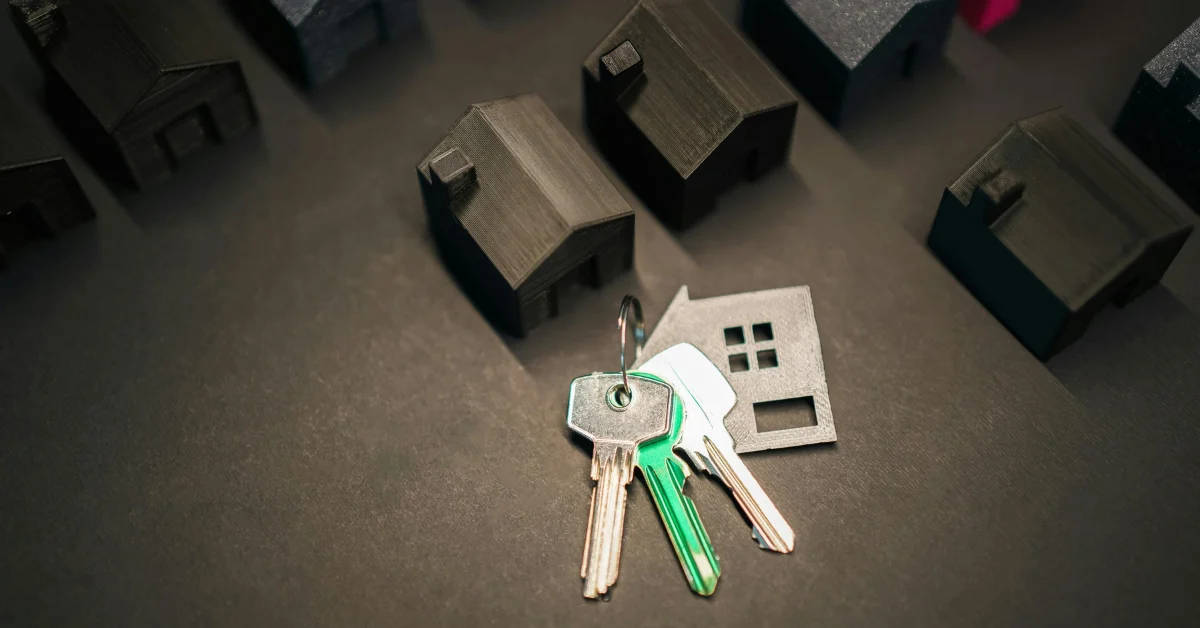
Reverse Mortgage Pros and Cons
A reverse mortgage can provide financial relief for older homeowners by converting home equity into usable cash without requiring monthly mortgage payments. However, while..
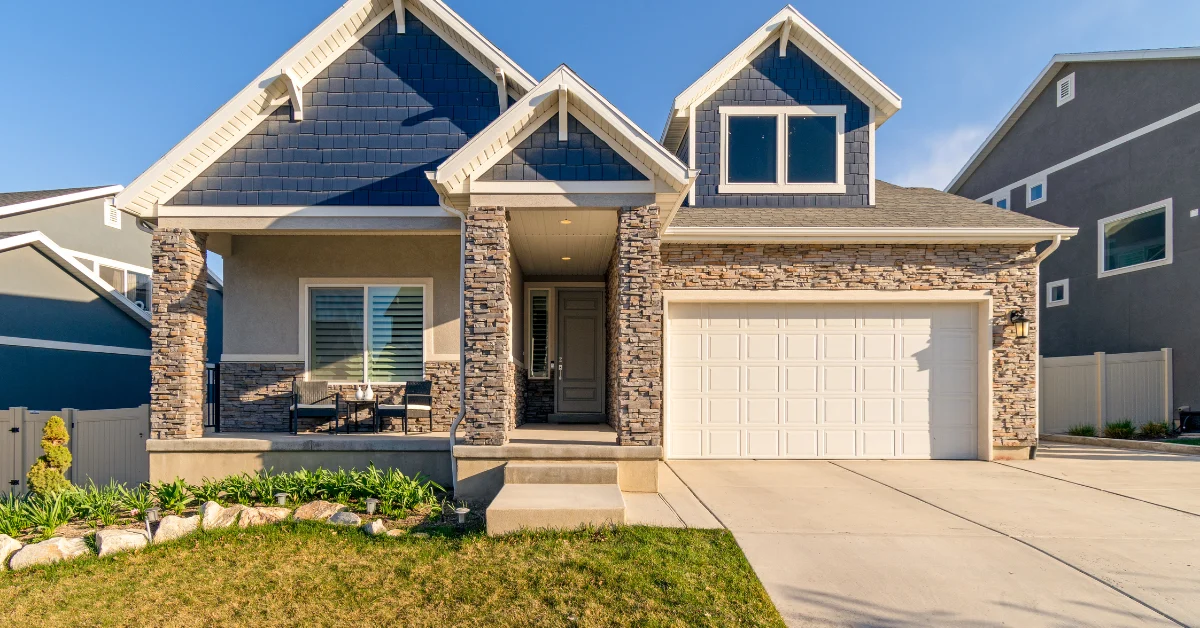
A reverse mortgage can provide financial relief for older homeowners by converting home equity into usable cash without requiring monthly mortgage payments.
However, while it offers flexibility during retirement, it also comes with long-term financial trade-offs that borrowers must fully understand.
Reverse mortgages function differently from traditional loans by paying homeowners instead of requiring payments.
Loan balances grow over time and are repaid when the borrower sells the home, moves out, or passes away.
What Is a Reverse Mortgage and How It Works
A reverse mortgage allows eligible homeowners to borrow against accumulated home equity while continuing to live in their property.
Instead of making payments, the lender provides funds through lump sums, monthly payments, or credit lines.
Unlike traditional loans evaluated during the mortgage approval process, repayment is deferred until the homeowner sells the property, permanently moves out, or dies.
Interest and fees accumulate over time, increasing the total loan balance. Homeowners must still pay property taxes, insurance, and maintenance costs to remain compliant with loan terms.
Major Advantages of a Reverse Mortgage
The biggest benefit of a reverse mortgage is access to tax-free cash during retirement without selling the home. Many retirees use funds for healthcare expenses, debt repayment, or daily living costs.
Because no monthly mortgage payment is required, cash flow improves significantly for homeowners on fixed incomes. Reverse mortgages also provide flexibility through payment options.
Seniors evaluating retirement housing costs often compare payment relief using a mortgage payment calculator to understand long-term financial impact.
Key Disadvantages Homeowners Should Consider
Reverse mortgages reduce home equity over time because interest compounds on the outstanding balance. This means heirs may inherit less property value or need to sell the home to repay the loan.
Closing costs and insurance premiums may also be higher than traditional mortgages. Borrowers must continue meeting ownership obligations or risk default.
Understanding total housing responsibilities explained in mortgage help FAQs helps homeowners avoid unexpected financial complications later.
Who Benefits Most From a Reverse Mortgage
Reverse mortgages typically work best for retirees planning to remain in their homes long term with substantial built-up equity. Homeowners without immediate plans to move often benefit most from payment flexibility.
Those seeking retirement income stability sometimes compare reverse mortgages with refinancing or downsizing options using a home refinance calculator to evaluate alternative equity-access strategies before committing.
When a Reverse Mortgage May Not Be a Good Idea
A reverse mortgage may not suit homeowners planning to relocate, leave property inheritance, or maintain long-term equity growth.
Borrowers expecting rising expenses or uncertain residency timelines should evaluate alternatives carefully.
Financial planning strategies found in the first-time home buyer guide often emphasize long-term ownership goals, which may conflict with reverse mortgage structures focused on equity consumption.
Frequently Asked Questions
Conclusion
Reverse mortgages can provide meaningful financial flexibility during retirement, but they are not a one-size-fits-all solution.
While eliminating monthly payments may ease short-term financial pressure, long-term equity reduction and repayment considerations require careful planning before choosing this option.

Mortgage Calculator
Trending Mortgage


Don’t Miss These

Home Loans Explained: Types of Mortgage Loans for Buyers
The Ultimate Guide to Refinancing Your Mortgage