Missed Student Loan Payments? What Happens & How to Avoid Serious Damage
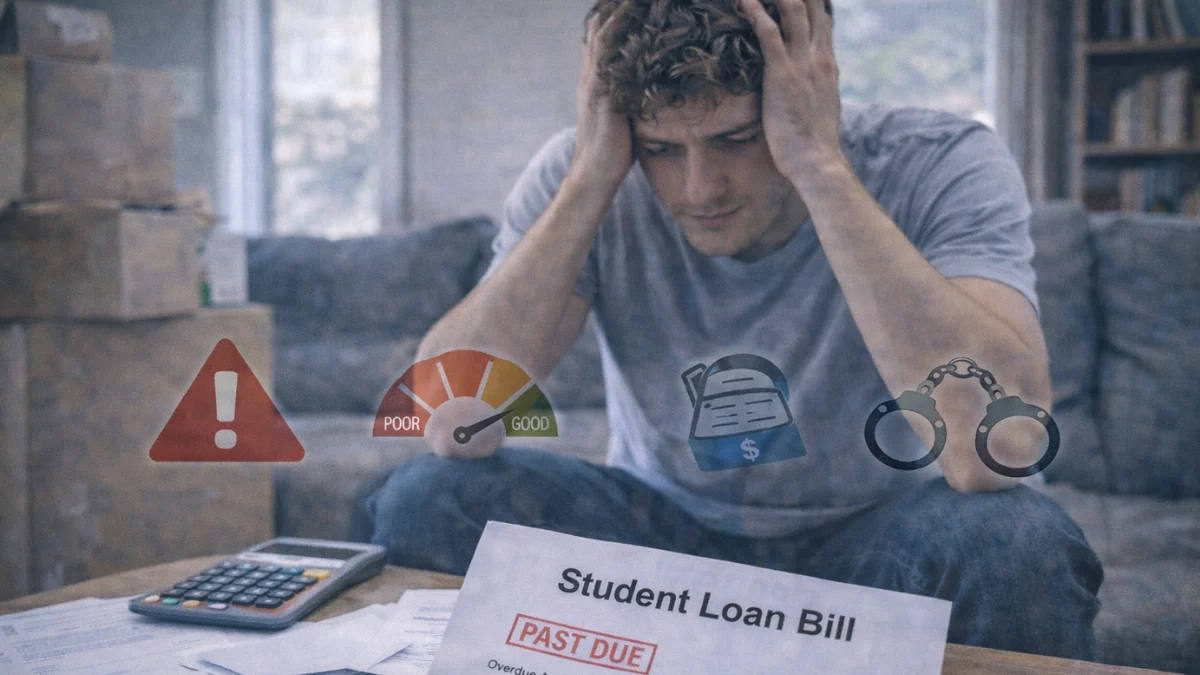
Not paying your student loans can lead to serious financial consequences that go far beyond missed payments. From late fees to credit damage and legal action, the impact can last for years.
Understanding what happens if you don’t repay your student loans helps you avoid costly mistakes.
What Happens When You Miss a Student Loan Payment?
Missing a student loan payment may seem small at first, but it can quickly lead to penalties.
Most lenders offer a short grace period, after which late fees are added.
If the payment remains unpaid for 30 days or more, it may be reported to credit bureaus, lowering your credit score. Even one missed payment can affect your financial profile.
Staying organized and understanding your obligations through a student loan guide helps you avoid missing payments and maintain financial stability.
Late Fees and Penalties You Should Expect
Once your payment is overdue, lenders begin charging late fees, which increase your total loan cost.
These penalties can add up quickly if payments are consistently missed. Some loans may also include additional charges or higher interest in certain cases.
Over time, these extra costs make your loan more expensive and harder to manage.
Understanding these charges alongside student loan interest explained helps you see how delays increase your overall debt burden.
How Non-Payment Affects Your Credit Score
Your payment history is one of the most important factors in your credit score. When you miss payments, your lender reports this activity to credit bureaus, causing your score to drop.
A lower credit score makes it harder to qualify for loans, credit cards, or even rental agreements in the future. The longer the delay, the greater the damage.
Understanding student loan repayment plans helps you choose a manageable option and avoid harming your credit.
When Does a Student Loan Go Into Default?
A student loan typically goes into default after a prolonged period of non-payment, often around 270 days for federal loans.
Default is more serious than a missed payment and indicates that you have failed to meet your repayment obligations.
Once in default, lenders take stronger actions to recover the money. Knowing this timeline is important so you can take action before reaching this stage.
Understanding student loan consolidation explained can help you manage your loans and avoid default.
Serious Consequences of Defaulting on Student Loans
Defaulting on a student loan can lead to severe consequences, including wage garnishment, tax refund seizure, and collection agency involvement.
Unlike other debts, student loans are difficult to discharge, even in bankruptcy.
These actions can significantly impact your financial life and create long-term stress. Default also damages your credit score, making future borrowing more difficult.
Learning about student loan mistakes to avoid helps you prevent reaching this stage.
Can the Government Take Action Against You?
For federal student loans, the government has strong powers to recover unpaid debt. This includes garnishing your wages, withholding tax refunds, and even reducing certain government benefits.
These actions can happen without a court order in some cases. Private lenders may take legal action through courts to recover the loan.
Understanding these risks through apply for a student loan processes helps you appreciate the importance of timely repayment.
How Non-Payment Affects Your Financial Future
Not paying your student loans can have long-term effects on your financial stability. A damaged credit score can limit your ability to get loans for a car, home, or business.
It may also affect job opportunities in some cases, as employers sometimes check credit history. The financial burden of penalties and interest can make it harder to recover.
Understanding these long-term impacts helps you take repayment seriously from the start.
What to Do If You Can’t Afford Payments
If you’re struggling to make payments, it’s important to act early rather than ignore the problem.
Contact your lender to discuss options such as deferment, forbearance, or switching to a more affordable repayment plan. These options can provide temporary relief and help you avoid default.
Being proactive can prevent serious consequences. Exploring student loan repayment plans ensures you find a solution that fits your financial situation.
Can You Recover After Default?
Yes, it is possible to recover after default, but it requires time and effort.
Options such as loan rehabilitation or consolidation can help you bring your loan back into good standing.
Consistent payments over time can gradually improve your credit score.
However, the process can be challenging, so it’s better to avoid default altogether.
Understanding student loan consolidation explained helps you explore recovery options if needed.
How to Avoid Missing Student Loan Payments
Preventing missed payments starts with proper planning. Set up automatic payments or reminders to ensure you never miss a due date.
Choose a repayment plan that fits your income and budget. Building an emergency fund can also help you handle unexpected financial difficulties.
Using a student loan calculator helps you estimate your payments and ensure they are manageable before committing to a loan.
Frequently Asked Questions
Conclusion
Not paying your student loans can lead to serious consequences, from late fees and credit damage to wage garnishment and long-term financial stress.
However, understanding these risks allows you to take action early and avoid costly mistakes.
By choosing the right repayment plan, staying organized, and using tools like a student loan calculator, you can manage your debt responsibly.
The key is to stay proactive and never ignore payment issues before they escalate.

I create mortgage calculator and loan calculators, along with Guides for Mortgagerateschecker, helping users understand mortgage rates, personal loans, auto loans, student loans, and overall loan affordability. Content is for educational purposes only and not financial advice.