What Is a Home Loan and How Is It Repaid?
A home loan is one of the most common ways people buy a house without paying the full price upfront. But many first-time buyers..
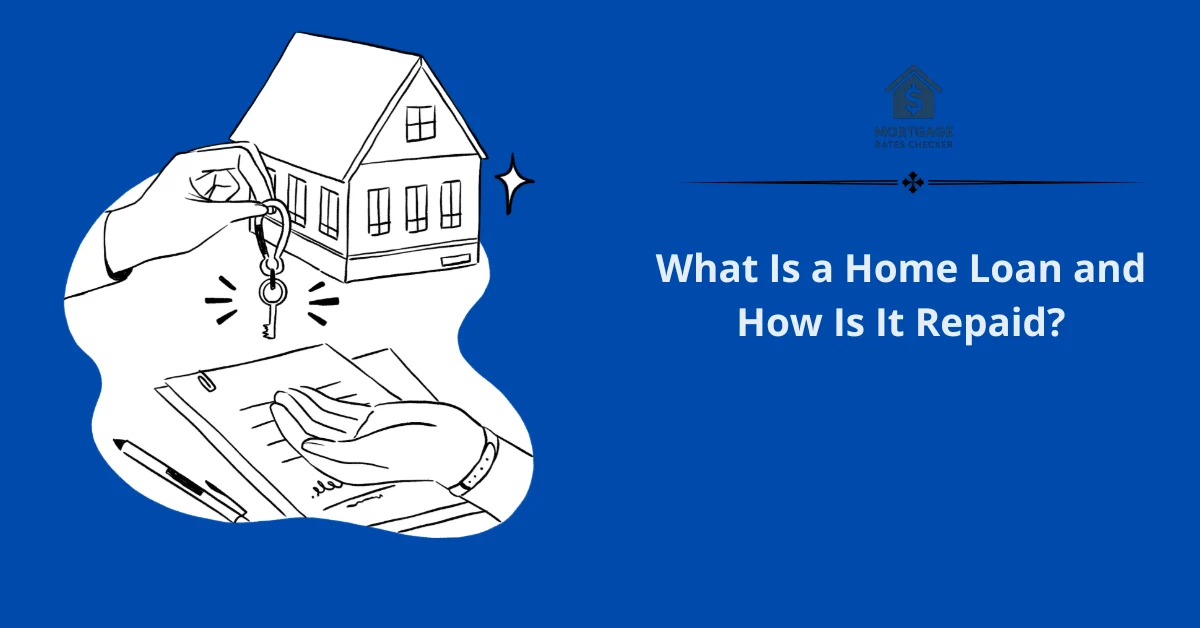
A home loan is one of the most common ways people buy a house without paying the full price upfront.
But many first-time buyers don’t understand how repayment works, why interest costs are so high early on, or what happens if payments change over time.
This guide explains home loans in simple language so you can borrow confidently.
Home loans are repaid through amortization, meaning each payment is split between interest and principal. In the beginning, interest takes up most of the payment.
Over time, more of each payment reduces the loan balance, helping you build equity and eventually own the home outright.
What a Home Loan Means in Simple Language
A home loan is a type of long-term loan that helps you buy a home by borrowing money from a lender. Instead of paying the full home price upfront, you pay a down payment and finance the rest.
The lender gives you the remaining amount, and you agree to repay it over many years.
The home loan is secured by the property itself, meaning the lender can take the home through foreclosure if you stop paying.
Most home loans last 15, 20, or 30 years.
Understanding the basics is important because a home loan is usually the largest financial commitment most people ever make.
How Home Loan Repayment Works Each Month
Home loan repayment happens through monthly payments that include principal and interest. Principal is the portion that reduces your loan balance, while interest is what the lender charges for lending money.
Most payments also include escrow costs such as property taxes and homeowners insurance. If you put down less than 20%, you may also pay PMI.
Over time, the principal portion increases and the interest portion decreases. This is why many homeowners feel like their loan balance goes down slowly in the beginning.
To estimate your real monthly payment, using a mortgage payment calculator is one of the best tools.
Why You Pay More Interest at the Start of a Home Loan
At the beginning of a home loan, your balance is at its highest, so interest is calculated on a large amount. That’s why the early years of payments mostly go toward interest instead of principal.
This is part of amortization, which is how lenders structure loan repayment.
Over time, as your loan balance decreases, interest costs shrink and more of your payment goes toward principal.
This is also why homeowners start building equity faster after several years.
Understanding this concept helps you avoid frustration and gives you a clear picture of how your loan will improve over time.
What Determines the Length of Your Home Loan Term
A home loan term is the number of years you have to repay the loan. A longer term, like 30 years, gives lower monthly payments but costs much more interest overall.
A shorter term, like 15 years, has higher monthly payments but saves a large amount in long-term interest. Your income, budget, and financial goals determine which term is best.
Many first-time buyers choose longer terms to keep payments affordable, then refinance later if their income grows or rates drop.
Comparing loan terms using a mortgage calculator helps you see the difference in total interest paid.
What Happens If You Miss a Home Loan Payment
Missing a home loan payment can cause late fees and credit score damage quickly. If you miss multiple payments, the lender may report delinquency to credit bureaus and eventually begin foreclosure.
Foreclosure means the lender can take the home and sell it to recover the money owed.
Some homeowners try to catch up through repayment plans or loan modifications, but the best strategy is avoiding missed payments in the first place.
That’s why lenders look closely at affordability and savings.
Building an emergency fund before buying is essential, because homeownership comes with long-term responsibilities beyond just the mortgage payment.
How Extra Payments Help You Repay a Home Loan Faster
Making extra payments is one of the easiest ways to reduce the cost of a home loan. Extra payments go directly toward the principal balance, which reduces the amount of interest you pay over time.
Even one extra payment per year can shorten a 30-year mortgage by several years. This strategy also builds equity faster, giving you more flexibility for refinancing or selling.
However, buyers should ensure their lender applies extra payments to principal and not future interest.
If you want to test the impact, using a mortgage calculator with extra payments can show how much time and interest you can save.
How Refinancing Changes Home Loan Repayment
Refinancing means replacing your current home loan with a new one, usually to get a lower interest rate or different loan term.
Refinancing can reduce your monthly payment, shorten your payoff timeline, or help you access equity through cash-out refinancing.
However, refinancing comes with closing costs, and extending the loan term may increase total interest paid.
That’s why homeowners should calculate break-even savings before refinancing. Using a refinance break-even calculator is important because it shows how long it takes for refinance savings to outweigh the closing costs.
How Home Loans Help Homeowners Build Equity
A home loan helps you build equity because each principal payment reduces your loan balance.
Equity is the portion of the home you truly own. Equity also grows when home values rise, which is why long-term homeownership can build wealth.
Over time, homeowners may use equity for home improvements, debt consolidation, or financial planning. But borrowing too much against equity can be risky, especially if home prices drop.
This is why understanding equity is essential for long-term stability. Home loans are not just about buying a house, they are a tool that shapes your long-term financial future.
Frequently Asked Questions
Conclusion
A home loan is a long-term mortgage loan that allows you to buy a home and repay it through monthly payments over many years.
Repayment happens through amortization, where early payments focus on interest and later payments reduce the principal faster.
Understanding how repayment works helps you plan affordability, reduce interest costs, and build equity over time.
For more calculators, loan guidance, and homebuyer resources, visit Mortgage Rates Checker.

Mortgage Calculator
Trending Mortgage


Don’t Miss These

Home Loans Explained: Types of Mortgage Loans for Buyers

The Ultimate Guide to Refinancing Your Mortgage