Your Money Snapshot
Find out where your money goes, what you can afford, and where you may have opportunities to save or grow your money.
Your Monthly Money
Let's start with the money coming in each month.
Your Essential Expenses
Enter the major expenses you usually pay each month.
Your Lifestyle & Goals
Tell us how you spend money and what you want to achieve.
Your Money Snapshot
Your Money Health
Your Biggest Expense
💡 Your Potential Savings Opportunity
Here's what reducing your lifestyle spending could potentially free up.
📈 What Your Money Could Do Over Time
💼 What If You Earned Extra Money?
See how extra monthly income could change your financial flexibility.
Your Travel Potential
🎯 Your Personalized Money Insights
This tool provides general estimates for educational purposes and is not financial advice. Your actual financial situation may vary.
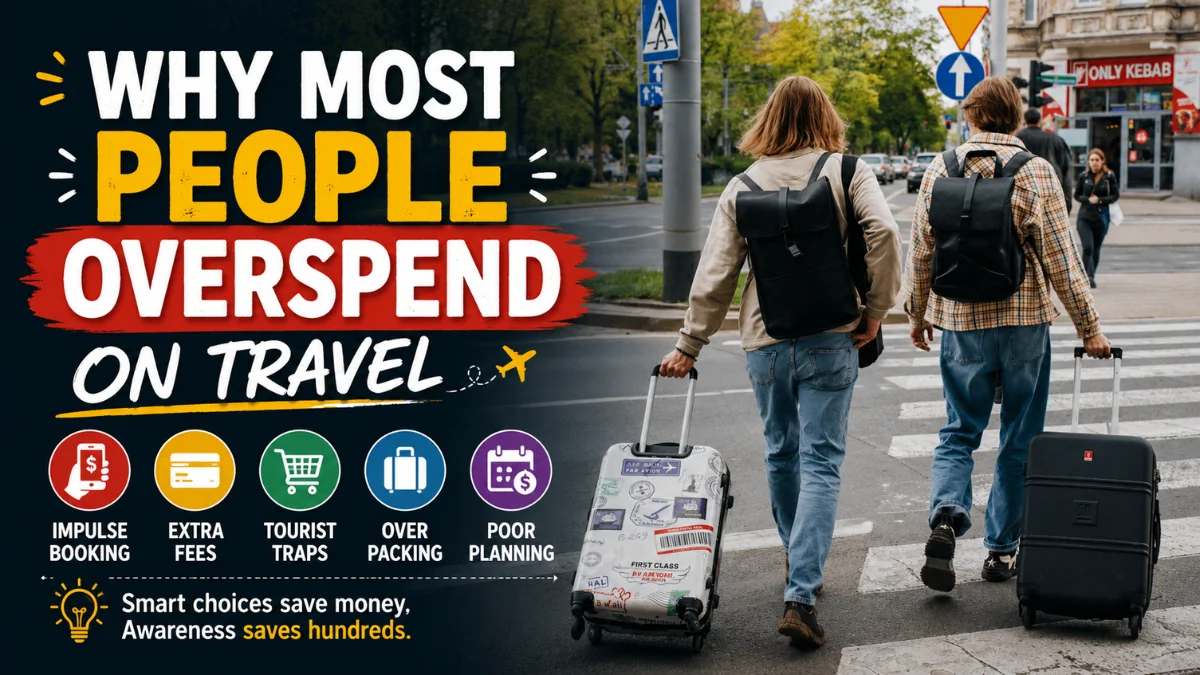
Most travelers begin their vacation with a budget, but many return home having spent significantly more than planned.
It’s rarely because of one expensive purchase instead, it’s usually the result of small spending decisions that gradually add up throughout the trip.
Understanding why people overspend is the first step toward preventing it.
Whether you’re planning a weekend getaway or an international vacation, controlling your travel spending doesn’t mean giving up enjoyable experiences.
By recognizing common budgeting mistakes and building smarter financial habits, you can enjoy your trip while keeping your vacation budget under control.
Travel should create lasting memories, not financial stress after you return home. A few simple planning habits can help you enjoy your vacation while keeping your spending aligned with your financial goals.
Underestimating the True Cost of Traveling
One of the biggest reasons people overspend on travel is underestimating the total cost of a vacation.
Many travelers only budget for flights and hotels while forgetting meals, transportation, travel insurance, entertainment, shopping, and emergency expenses.
These overlooked costs gradually increase your vacation spending.
Creating a complete travel budget before booking gives you a more realistic estimate and reduces the chances of exceeding your financial limits.
Making Impulse Purchases During the Trip
Vacations naturally encourage spontaneous spending. Souvenirs, luxury dining, premium activities, and last-minute tours often seem worthwhile in the moment, but together they can significantly increase travel expenses.
Before making an unplanned purchase, ask yourself whether it genuinely adds value to your experience.
Setting aside a specific amount for shopping and entertainment allows you to enjoy your trip without feeling guilty about every purchase.
Not Tracking Daily Expenses
Many travelers stop thinking about their budget once the vacation begins.
Small expenses like coffee, snacks, local transportation, attraction tickets, and convenience purchases may seem insignificant individually, but they quickly accumulate.
Recording your daily expenses helps you stay aware of your remaining budget. Tracking your spending also allows you to adjust your plans before minor purchases become major financial problems.
Booking Everything at the Last Minute
Waiting until the last minute to book flights, hotels, or attractions usually results in higher prices. Limited availability often means paying premium rates for the same services.
Planning your vacation several weeks or months ahead gives you more opportunities to compare travel deals, secure lower prices, and build a budget that reflects your actual travel expenses rather than inflated last-minute costs.
What to Read Next




Ignoring Hidden Travel Costs
Hidden expenses are one of the most common reasons vacations exceed their original budget.
Resort fees, baggage charges, airport transfers, parking, taxes, mobile roaming fees, currency exchange costs, and travel insurance are frequently overlooked during planning.
Including these hidden travel expenses in your budget ensures you’re financially prepared and helps prevent unexpected spending during your trip.
Letting Convenience Drive Every Spending Decision
Convenience often comes at a premium. Choosing taxis instead of public transportation, eating every meal in tourist areas, purchasing items at airports, or booking expensive guided tours without comparing alternatives can dramatically increase vacation costs.
Looking for practical, lower-cost options doesn’t reduce the quality of your trip, it simply allows your money to go further while still enjoying the same destination.
Not Having an Emergency Travel Fund
Unexpected situations can happen even during well-planned vacations. Flight cancellations, medical emergencies, weather disruptions, or lost luggage may require additional spending.
Setting aside an emergency travel fund protects your overall budget and reduces financial stress. If you’re estimating your travel costs, using a Loan Calculator can help evaluate repayment options before borrowing.
If financing becomes necessary, a Personal Loan Calculator helps you understand affordable monthly payments and make informed borrowing decisions.
Focus on Experiences Instead of Excessive Spending
Many of the best travel memories come from meaningful experiences rather than expensive purchases.
Exploring local neighborhoods, hiking scenic trails, visiting museums, or enjoying authentic local cuisine often provides greater satisfaction than luxury upgrades or unnecessary shopping.
Prioritizing experiences over material purchases helps you stay within your vacation budget while creating lasting memories that don’t strain your finances.
Conclusion
Understanding why people overspend on travel makes it easier to avoid common budgeting mistakes.
By planning ahead, tracking your daily spending, preparing for hidden costs, limiting impulse purchases, and focusing on meaningful experiences, you can enjoy an unforgettable vacation without exceeding your budget.
Smart financial habits don’t limit your travel, they allow you to travel more often, worry less about money, and return home with great memories instead of unexpected debt.


Quick Links

Check Loan Options with Trusted Providers
*You may be redirected to a partner site. Checking options will not guarantee approval. Terms depend on lender review.*
About Us
We're MortgageRatesChecker, a trusted mortgage information resource focused on helping consumers navigate home buying, refinancing, mortgage rates, and loan options with confidence. We simplify complex mortgage topics through expert-written guides, calculators, and educational content designed to support informed financial decisions. Explore our mortgage calculators, guides, and resources.
Disclaimer
MortgageRatesChecker provides educational mortgage calculators, loan tools, and financial guides designed to help you better understand home financing. Our content is researched, fact-checked, and regularly updated in accordance with our Editorial Policy, using trusted information from our Data Sources and transparent methodologies explained in How We Calculate. Learn more about our commitment to accuracy on Why Trust Us. This content is provided for informational purposes only and should not be considered financial, legal, tax, investment, or mortgage advice. Mortgage rates, lending requirements, loan programs, and regulations may change without notice. Before making any borrowing, refinancing, or home-buying decision, consult your Bank or Mortgage Lender, licensed financial advisor, tax professional, or attorney based on your individual circumstances. MortgageRatesChecker is an independent educational resource and is not a lender, mortgage broker, financial advisor, or government agency. Please review our Affiliate Disclosure, Advertiser Disclosure, Disclaimer, and Terms & Conditions for additional information.