Explore Travel Insurance Options
Planning a trip involves more than booking flights and accommodation. Unexpected cancellations, medical emergencies, or travel disruptions can add costs you didn’t anticipate. Explore travel insurance options and compare coverage limits, exclusions, deductibles, and premiums to understand what protection is available for your trip.
Affiliate Disclosure: This page may contain links to offers from our partners, including lenders and other financial service providers. We may earn a commission if you apply for or use a product through these links, at no additional cost to you. Our editorial content and comparisons are not influenced by these commissions.

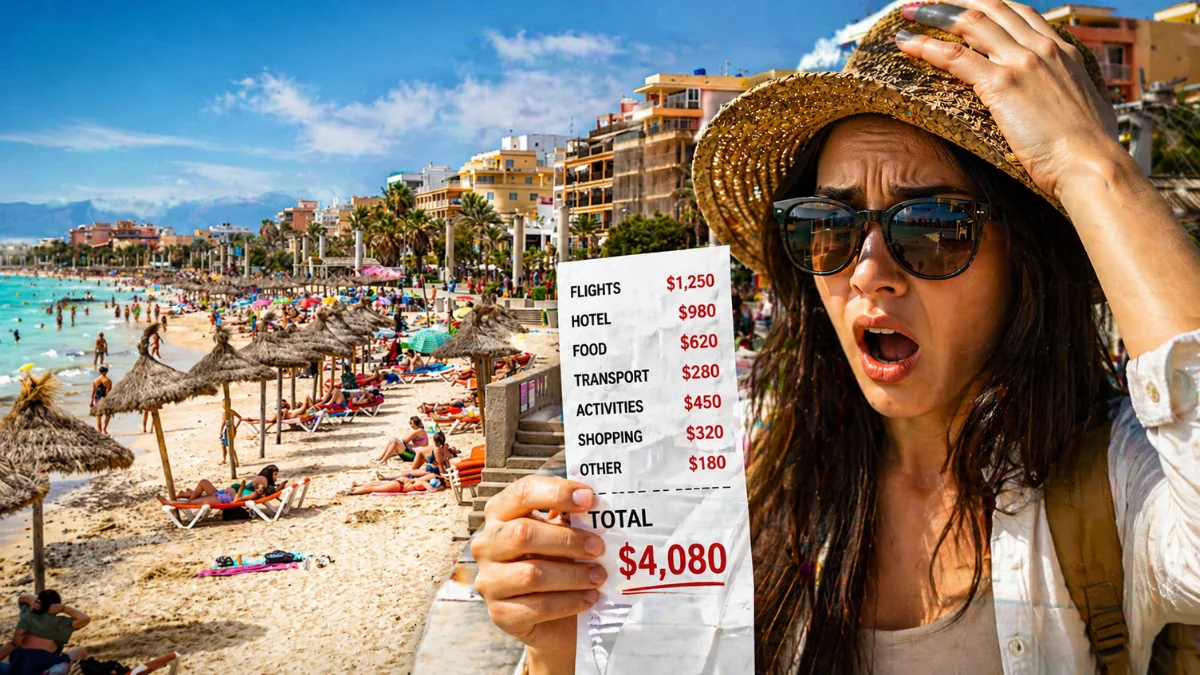
Most people plan their trips around the obvious costs- flights, hotels, and maybe a rough estimate for food.
But what actually breaks your budget isn’t always what you planned for—it’s the small, unexpected expenses that quietly add up along the way.
These hidden costs don’t feel significant in the moment, but by the end of your trip, they can leave you wondering where your money went.
If you’ve ever come back from a vacation feeling like you overspent without knowing why, this is exactly why. Understanding these hidden costs can completely change how you plan and experience travel.
Airline Extras: Cheap Tickets That Aren’t Really Cheap
A low flight price often feels like a win but that’s usually just the starting point. Airlines in 2026 make a significant portion of their revenue from add-ons.
Checked baggage fees, carry-on restrictions, seat selection, priority boarding, and onboard meals can quickly increase your total cost.
Budget airlines are especially known for this model. What looks like a cheap ticket can end up costing much more once you include all the extras.
Even small charges like paying for better seating or additional luggage add up quickly. If you’re not careful, your “budget flight” can quietly turn into one of the more expensive parts of your trip.
Accommodation Fees You Don’t Notice at First
When booking accommodation, most people focus on the nightly rate but that’s rarely the full price.
Many hotels and vacation rentals include additional charges like service fees, cleaning fees, and local taxes.
In some destinations, resort fees are added at check-in, even if they weren’t clearly shown during booking. These can range from $10 to $50 per night.
Over a week-long trip, that’s a significant extra cost.
Travelers often underestimate how much these hidden accommodation fees contribute to their total spending, especially when staying in popular or high-demand locations.
Currency Exchange and Payment Charges
One of the most overlooked travel costs is currency exchange.
Whether you’re withdrawing cash or paying by card, exchange rates and transaction fees can quietly eat into your budget.
Banks and payment providers often charge foreign transaction fees, and currency conversion rates are rarely in your favor. Even small percentage differences can add up over multiple transactions.
Many travelers don’t realize how much they lose through these fees because they’re not immediately visible. Being aware of how you handle money abroad can help you avoid unnecessary losses.
Daily “Small” Expenses That Add Up Fast
It’s rarely the big purchases that break your budget—it’s the small, everyday expenses. Coffee, snacks, bottled water, tips, and quick convenience purchases seem harmless, but they add up over time.
Spending just $5–$10 multiple times a day can easily turn into $50–$100 over a week. Because these expenses feel minor, most people don’t track them.
This is one of the main reasons travelers exceed their budget without realizing it. Being mindful of these small costs can make a big difference in your overall spending.
Transportation Surprises During Your Trip
Local transportation is another hidden expense that many people underestimate. While public transport is usually affordable, relying on taxis or ride-sharing services can quickly increase your costs.
Airport transfers, late-night rides, and surge pricing can all push your spending higher. Car rentals come with their own hidden costs, including insurance, fuel, and parking fees.
Even if each expense seems reasonable, they can accumulate significantly over the course of your trip. Planning your transportation in advance can help you avoid unnecessary spending.
What to Read Next




Travel Insurance and Unexpected Situations
Travel insurance is often overlooked during trip planning but it’s an important cost to consider. Depending on your destination and trip length, insurance can cost anywhere from $20 to $100 or more.
While it may feel like an optional expense, skipping it can lead to much higher costs if something goes wrong. Medical emergencies, trip cancellations, or lost luggage can create unexpected financial stress.
Planning for this expense upfront ensures you’re protected without disrupting your budget later.
Activities, Tips, and “Extras” That Add Up
Many travelers budget for major attractions but forget about the smaller extras. Tips, optional upgrades, guide fees, and spontaneous activities can quickly increase your total spending.
Even something as simple as tipping service staff or paying for additional features during tours can add up over time. These costs are often overlooked because they feel optional or situational.
However, across multiple days, they can become a noticeable part of your overall travel budget.
Why Hidden Costs Matter More Than You Think
Hidden costs don’t just affect your travel budget, they can impact your overall financial stability if you’re not prepared.
Overspending during a trip can lead to stress when you return, especially if you’ve used savings or credit to fund your vacation.
Understanding these costs allows you to plan more realistically and avoid financial surprises. If you’re managing larger financial responsibilities, having a clear understanding of spending habits becomes even more important.
Learning broader financial strategies, like those explained in a home loans guide or a detailed refinancing guide—can help you develop better money management habits beyond travel.
Conclusion
The hidden costs of traveling are what catch most people off guard. While flights and hotels are easy to plan for, it’s the smaller, less obvious expenses that quietly increase your total spending.
From airline fees to daily purchases, these costs add up faster than you expect.
By understanding and preparing for them, you can take control of your budget and enjoy your trip without financial stress. Travel should be about the experience, not worrying about money when it’s already too late.
Explore Things to Do in New York City



About Us
We're MortgageRatesChecker, a financial education and tools platform helping consumers make smarter decisions about borrowing, budgeting, saving, and everyday spending. We provide practical guides, calculators, and resources covering mortgages, loans, home buying, refinancing, personal finance, money management, and budget-conscious travel. Explore our guides, calculators, and resources to make more informed financial decisions.
Disclaimer
MortgageRatesChecker provides educational mortgage calculators, loan tools, and financial guides designed to help you better understand home financing. Our content is researched, fact-checked, and regularly updated in accordance with our Editorial Policy, using trusted information from our Data Sources and transparent methodologies explained in How We Calculate. Learn more about our commitment to accuracy on Why Trust Us. This content is provided for informational purposes only and should not be considered financial, legal, tax, investment, or mortgage advice. Mortgage rates, lending requirements, loan programs, and regulations may change without notice. Before making any borrowing, refinancing, or home-buying decision, consult your Bank or Mortgage Lender, licensed financial advisor, tax professional, or attorney based on your individual circumstances. MortgageRatesChecker is an independent educational resource and is not a lender, mortgage broker, financial advisor, or government agency. Please review our Affiliate Disclosure, Advertiser Disclosure, Disclaimer, and Terms & Conditions for additional information.