
An FHA 203(k) loan lets eligible homebuyers and homeowners finance a property and qualifying renovations through one mortgage.
Instead of taking out a separate home loan and renovation loan, you can combine the eligible costs into a single FHA-insured mortgage.
However, there is no single borrowing amount that applies to every 203(k) borrower. Your maximum loan depends on the applicable FHA loan limit, the property’s value, the renovation budget, and the program you choose.
The Standard 203(k) and Limited 203(k) also have different rules for the type and scale of work you can finance.
FHA 203(k) Loan Limits for 2026
For 2026, FHA loan limits for one-unit properties range from $541,287 in lower-cost areas to $1,249,125 in high-cost areas. The applicable limit depends on the county where the property is located.
The limits are higher for properties with multiple units. For 2026, the national floor and high-cost ceiling are:
| Property type | Lower-cost area | High-cost area |
|---|---|---|
| One unit | $541,287 | $1,249,125 |
| Two unit | $693,050 | $1,599,375 |
| Three unit | $837,700 | $1,933,200 |
| Four unit | $1,041,125 | $2,402,625 |
These figures are the national floor and ceiling, not the limit for every county. Some counties have limits between these amounts. The 2026 limits apply to FHA case numbers assigned from January 1 through December 31, 2026.
The important point is that your total eligible mortgage must fit within the applicable FHA limit. You cannot automatically borrow the county maximum just because your renovation project is expensive. Your down payment, property value, eligible project costs, and other FHA requirements also affect the final amount.
How Much Can You Borrow With a Standard 203(k) Loan?
The Standard FHA 203(k) is designed for more extensive renovation projects, including major repairs and certain structural improvements.
Unlike the Limited 203(k), the Standard program does not have a fixed maximum renovation-cost cap. However, the total mortgage must still comply with the applicable FHA county loan limit and the program’s property-value and underwriting requirements.
For example, imagine you want to purchase a home for $250,000 and spend another $80,000 on eligible renovations. Your initial purchase and renovation budget would be $330,000, before considering other eligible costs and the lender’s final calculations.
Whether you can finance that amount depends on the property’s location, its value after improvements, your down payment, and FHA’s mortgage calculation rules. The renovation budget alone does not determine your approved loan amount.
A Standard 203(k) generally requires at least $5,000 in eligible rehabilitation costs and an FHA-approved 203(k) consultant to help assess and document the work.
How Much Can You Borrow With a Limited 203(k) Loan?
The Limited FHA 203(k) is intended for smaller renovation projects involving minor remodeling and nonstructural repairs.
For eligible cases, the maximum total rehabilitation cost is $75,000. There is no minimum repair-cost requirement, and using a 203(k) consultant is optional.
You may be able to use this option for projects such as kitchen updates, painting, flooring, roofing repairs that do not affect structural integrity, and certain plumbing or electrical improvements.
For example, if you purchase a home for $240,000 and plan $45,000 in eligible nonstructural improvements, the project may fit within the Limited 203(k) renovation-cost cap. Your final mortgage amount will still depend on FHA’s loan calculation, the county limit, and lender approval.
The $75,000 limit applies to eligible cases under the updated rules. Older cases assigned an FHA case number before November 4, 2024, may be subject to the previous limits.
You Might Also Find Helpful
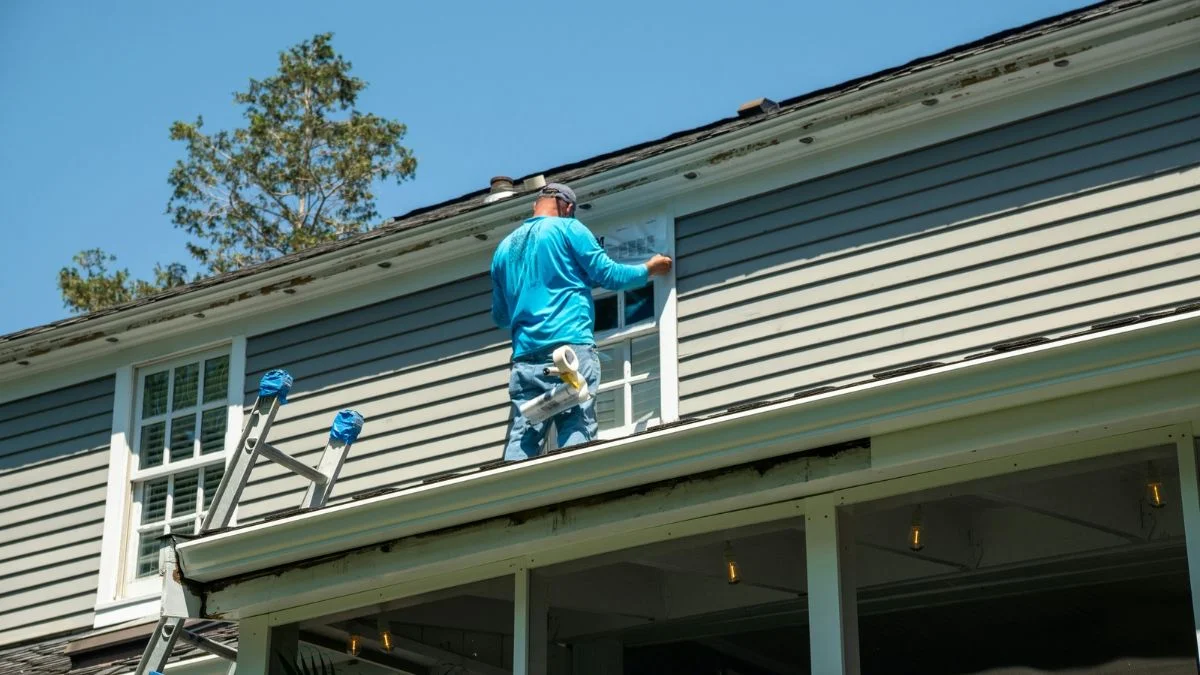


What Determines Your Maximum FHA 203(k) Loan Amount?
Your borrowing limit is influenced by several factors, not just the amount you want to spend on renovations.
Property location and FHA county limits: FHA establishes different mortgage limits based on local housing costs. A property in a high-cost county may qualify for a higher maximum mortgage than a similar property in a lower-cost area.
Purchase price and property value: FHA’s 203(k) calculation considers the property’s purchase or existing value and its expected value after eligible improvements. The lender uses the applicable program rules to determine the maximum mortgage it can insure.
Renovation costs: Only eligible improvements supported by the required estimates and documentation can be included. The type of work also determines whether the Standard or Limited program is appropriate.
Down payment and loan-to-value requirements: FHA financing generally requires a minimum borrower investment, subject to the applicable eligibility and underwriting rules. Your credit profile and other financial circumstances can also affect the loan terms offered.
Other eligible costs: Certain fees and project-related expenses may be financeable under FHA 203(k) rules. These can affect the final mortgage calculation, so the amount you can borrow may differ from the simple purchase-price-plus-renovation estimate.
Can You Borrow More Than the FHA County Loan Limit?
Generally, no. The FHA 203(k) mortgage must remain within the applicable FHA mortgage limit for the property’s location and number of units.
If your purchase price and renovation plans would result in a mortgage above that limit, you may need to increase your down payment, reduce the renovation budget, or consider another financing option.
For example, a property that requires extensive structural work may be better suited to the Standard 203(k), but that does not remove the county loan limit. The program allows more extensive renovation work, not unlimited borrowing.
If your project cannot fit within the FHA limit, compare the available alternatives carefully. You can learn more about the differences between an FHA 203(k) and a conventional renovation loan.
How to Find the FHA Loan Limit for Your County
The most reliable way to determine your local limit is to check HUD’s official FHA loan-limit information. Search using the property’s county and state, then select the correct property size.
Remember that the limit for a one-unit home is different from the limit for a two-, three-, or four-unit property. Also check that you are viewing the 2026 limits rather than an earlier year’s figures.
You can use HUD’s official FHA loan-limit information to identify the applicable county limit. Your FHA-approved lender can then calculate how much you may qualify to borrow under the 203(k) program.
How to Estimate Your FHA 203(k) Renovation Budget
Before applying, prepare a realistic estimate of the property’s purchase price and the work it needs. Get contractor estimates for the planned improvements and identify which repairs are eligible under the Standard or Limited program.
It is also useful to understand the difference between the renovation budget and the mortgage amount. The lender must consider FHA loan limits, property valuation, eligible costs, required borrower investment, and other applicable rules before determining the final amount.
If the property needs structural repairs or extensive rehabilitation, discuss the Standard 203(k) with a lender experienced in these loans. For smaller, nonstructural improvements, ask whether the Limited 203(k) is suitable.
You can also explore a conventional renovation loan if your project or financial circumstances do not fit the FHA program.
Final Thoughts
How much you can borrow with an FHA 203(k) loan depends on your county’s FHA mortgage limit, the property’s value, your renovation costs, and the program’s eligibility rules.
The Limited 203(k) allows up to $75,000 in eligible renovation costs, while the Standard 203(k) has no fixed maximum repair amount but remains subject to the overall FHA mortgage limit.
Before choosing a property, check the current county limit and get a realistic renovation estimate. An FHA-approved lender can calculate the maximum mortgage you may qualify for and help determine which 203(k) option fits your project.