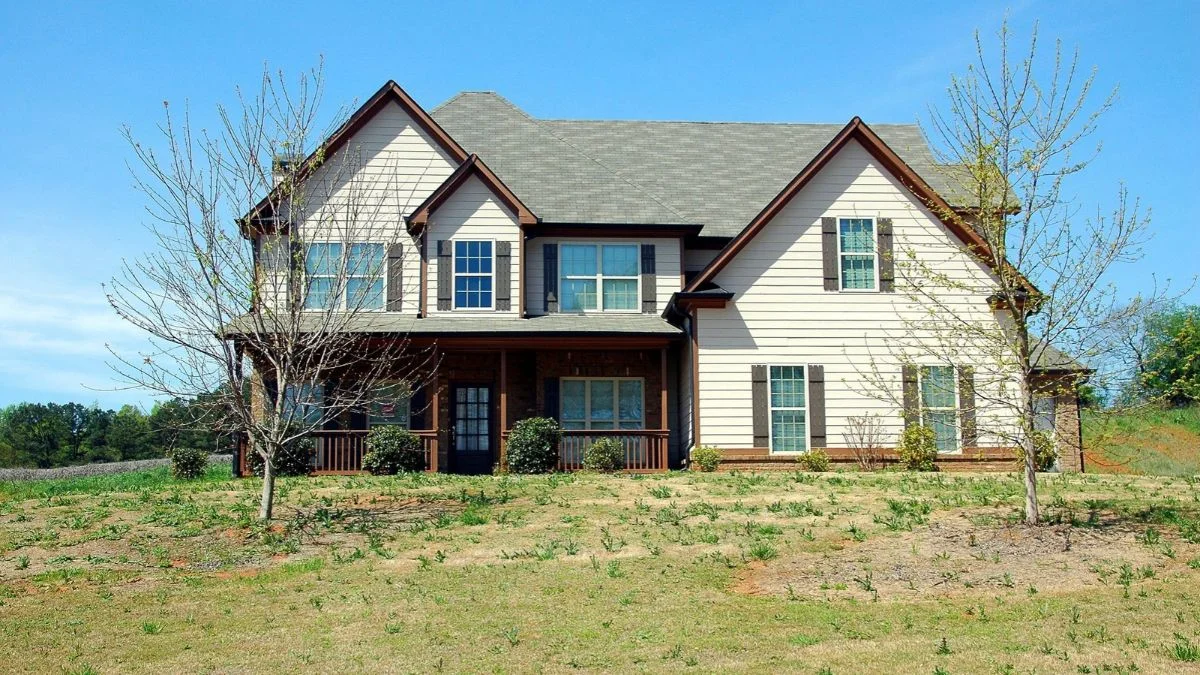
Land Loan Calculator & Lot Financing Payment Estimator
Estimate land loan payments, down payment requirements, interest costs, and total financing expenses. Compare land financing options and understand what lenders consider when financing vacant land, raw land, or residential lots.
Purchase and Financing Breakdown
Interest-Only Loan Details
This calculator provides estimates based on the information entered. Actual land loan terms, interest rates, down payment requirements, fees, and payment schedules depend on the lender and property. Estimates exclude property taxes, insurance, surveys, title costs, utilities, development expenses, and other ownership costs unless included in the figures you enter. Interest-only payments do not reduce the principal balance. The principal shown as due at the end of the selected interest-only period is illustrative and depends on the actual loan agreement.
Buying land can be an important first step toward building a home, starting a farm, or investing in property. However, financing vacant land is different from financing an existing house. Lenders may consider the property’s development status, location, access to utilities, intended use, and resale potential when reviewing a land loan application.
Our land loan calculator helps estimate the monthly payment, required down payment, loan amount, interest cost, and total repayment for a land or lot purchase. Enter the purchase price, down payment, interest rate, loan term, and estimated fees to understand the potential cost of financing.
You can calculate payments for a fully amortizing loan or explore an interest-only payment scenario. The results can help you compare financing assumptions before contacting a bank, credit union, or land loan lender.
Whether you’re considering raw land, unimproved property, or a residential lot, use the calculator to understand the financing numbers and plan your upfront cash requirement. Actual loan rates, down payment requirements, and approval conditions depend on the lender and property.
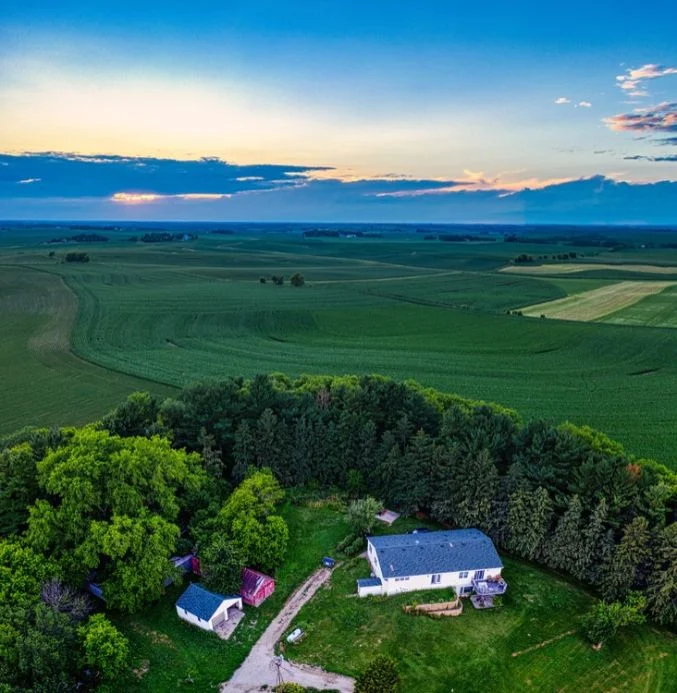
How to Use the Land Loan Calculator
Start by entering the purchase price of the land or lot you want to buy. This is the agreed purchase price before financing fees and other acquisition expenses.
Choose whether you want to enter your down payment as a percentage or a fixed dollar amount. The calculator uses this information to estimate the amount you need to borrow.
Next, enter the annual interest rate offered by your lender and select the repayment term. You can choose from several loan periods, including 5, 10, 15, 20, 25, and 30 years.
Add any estimated loan fees you expect to pay upfront. These may represent lender or financing-related costs, but actual land purchase expenses can include additional charges not covered by the calculator.
Finally, select your payment structure:
- Fully amortizing loan: Estimates equal monthly principal-and-interest payments over the selected loan term.
- Interest-only loan: Estimates interest payments during the selected interest-only period and shows the original principal balance as due at the end of that period.
Select Calculate Land Loan to see the estimated monthly payment, loan amount, down payment, interest expense, upfront cash, and total repayment.
The calculator provides estimates rather than lender quotes. It does not determine loan eligibility, current market rates, or the actual terms available for a specific property.
What Is a Land Loan?
A land loan is financing used to purchase a parcel of land without necessarily purchasing an existing home on it. Buyers may use land loans to acquire property for future residential construction, agricultural activities, recreational use, or other permitted purposes.
Unlike a traditional home mortgage, a land loan is secured primarily by the land itself. Because undeveloped property may be more difficult to resell than an existing home, lenders can apply different underwriting standards and financing conditions.
Land loans may involve larger down payments, higher interest rates, or shorter repayment periods than conventional residential mortgages. However, the actual terms depend on the property’s condition, intended use, borrower finances, and lender policies.
A land loan can be useful when you want to secure a property before construction begins or when you are not ready to build immediately.
Types of Land Loans: Raw, Unimproved, and Improved Land
The condition and development status of a parcel can influence its financing options. Lenders generally consider whether the land has access to roads, utilities, and other infrastructure.
Raw Land Loans
Raw land is generally undeveloped property without significant infrastructure or improvements. It may lack road access, electricity, water connections, sewer systems, or other facilities needed for construction.
Because developing raw land can require substantial investment, lenders may consider it a higher-risk purchase. Buyers may need a larger down payment, stronger financial qualifications, and a clear explanation of how they plan to use the property.
Before purchasing raw land, investigate access rights, zoning, environmental restrictions, utility availability, and development requirements.
Unimproved Land Loans
Unimproved land has some infrastructure or development features but may not be ready for immediate construction.
For example, a parcel may have road access but lack water, sewer, or electricity connections. Another property may have nearby utilities but require additional site preparation before building.
Lenders evaluate the existing improvements and the work still required to make the property usable. The more development work needed, the greater the potential financing challenges.
Improved Land or Lot Loans
Improved land is generally closer to being ready for construction. It may have established road access, available utilities, drainage, and other infrastructure.
Residential lots in developed subdivisions often fall into this category, although buyers should verify zoning, building restrictions, utility connections, and local construction requirements.
Because improved property may involve fewer development uncertainties, some lenders may offer more favorable financing terms than they would for raw land. However, this is not guaranteed.
How Much Down Payment Do You Need for a Land Loan?
Land loan down payment requirements depend on the property type, lender, borrower qualifications, and intended use.
A lender may require more money upfront for raw land than for an improved residential lot because undeveloped property can present greater collateral and resale risks.
As a general planning consideration, some lenders may request down payments in the following broad ranges:
| Land type | Illustrative down payment range |
|---|---|
| Raw land | 30%-50% |
| Unimproved land | 20%-30% |
| Improved land | 15%-20% |
These are indicative market ranges, not universal lender requirements or guaranteed minimums. Some lenders may require more, while certain specialized programs may offer different financing structures.
For example, if you purchase a $100,000 parcel and make a 30% down payment, your initial financing calculation would be:
| Item | Amount |
|---|---|
| Land purchase price | $100,000 |
| Down payment | $30,000 |
| Estimated loan amount | $70,000 |
This example excludes closing costs, lender fees, surveys, title expenses, and development costs.
Use the calculator to test different down payment amounts and see how they change the estimated loan balance and monthly payment.
You can also use our down payment calculator to explore upfront payment scenarios.
Land Loan Interest Rates and Repayment Terms
Land loan interest rates vary by lender and are influenced by the property’s development status, loan-to-value ratio, credit profile, repayment term, and overall risk.
Raw land may attract higher rates than improved residential lots because it can involve greater uncertainty and fewer potential buyers if the lender needs to recover its money.
Other factors that can influence the interest rate include:
- Borrower’s credit history and credit score.
- Down payment and loan amount.
- Property location and marketability.
- Road access and utility availability.
- Intended land use.
- Loan term and repayment structure.
- Lender’s underwriting policies.
Land loan repayment periods can also differ from traditional home mortgages. Some lenders offer shorter terms, while others may provide longer financing for eligible properties.
Do not assume that a land loan will have the same interest rate or repayment period as a 15-year or 30-year residential mortgage. Request written loan estimates from lenders and compare the complete terms.
The calculator lets you enter an assumed annual interest rate and repayment term to see how different financing scenarios affect the payment and total interest. It does not retrieve current land loan rates.
Land Loan Requirements: What Do Lenders Look For?
Land loan requirements vary between financial institutions, but lenders generally evaluate both the borrower’s ability to repay and the property being purchased.
Credit Score and Credit History
Your credit history helps lenders evaluate how you have managed previous borrowing. A stronger credit profile may improve your chances of qualifying for favorable financing terms, although there is no single credit score requirement that applies to every land loan.
Lenders may review payment history, outstanding debt, credit utilization, and previous credit problems.
Down Payment and Available Assets
A larger down payment reduces the amount you need to borrow and may reduce the lender’s exposure to risk.
Lenders may also review your available savings, financial reserves, and ability to cover additional property expenses after closing.
Debt-to-Income Ratio
Your debt-to-income ratio (DTI) compares your monthly debt obligations with your gross monthly income.
A lender may use DTI to assess whether you can comfortably manage the proposed land loan alongside your existing financial commitments.
You can estimate this ratio with our debt-to-income ratio calculator.
Property Appraisal and Land Value
The lender may require an appraisal or other valuation to assess the property’s market value and suitability as collateral.
The purchase price does not automatically determine the amount a lender is willing to finance. The appraisal, comparable land sales, property characteristics, and lender policies can affect the financing decision.
Intended Use and Development Plans
Lenders may ask whether you intend to build a home, hold the land as an investment, operate a farm, or use it for another purpose.
If construction is planned, the lender may want information about the building timeline, zoning, access, utilities, and development feasibility.
How to Finance Vacant Land
There are several ways to finance vacant land, and the best option depends on your purpose, financial situation, and the property’s characteristics.
Bank or Credit Union Land Loans
Banks and credit unions may offer land loans for eligible parcels. Their financing criteria, interest rates, down payment requirements, and repayment terms vary.
Some institutions specialize in local land purchases because they understand the property market and development conditions in their lending areas.
Compare multiple lenders instead of assuming that your existing mortgage provider offers the best land financing terms.
Seller Financing
With seller financing, the landowner agrees to finance part or all of the purchase price instead of requiring the buyer to obtain a conventional land loan.
The buyer generally makes payments directly to the seller under an agreed contract. Terms may include a down payment, interest rate, payment schedule, maturity date, and possible balloon payment.
Review the contract carefully and consider having a real estate attorney examine the agreement before signing. Confirm how the property title will be handled and what happens if either party fails to meet the contract terms.
Home Equity Loan or HELOC
A homeowner with sufficient equity may consider using a home equity loan or home equity line of credit to fund a land purchase.
This approach uses an existing property as collateral rather than relying entirely on the land being purchased.
However, it introduces additional risk because failure to repay the home equity borrowing could put the existing home at risk. Compare the costs and repayment conditions carefully before choosing this option.
Agricultural Land Financing
Buyers purchasing farmland for an eligible agricultural operation may have access to specialized financing programs.
The USDA Farm Service Agency (FSA), for example, offers Farm Ownership Loans that can help eligible farmers and ranchers purchase or improve farm property. Program eligibility, loan limits, repayment periods, and application requirements depend on the specific program.
These programs are designed for qualifying agricultural purposes, not general residential or recreational land purchases.
Learn more through the USDA Farm Service Agency’s Farm Ownership Loan programs.
Land Loan vs. Mortgage: What Is the Difference?
A land loan and a traditional mortgage both involve borrowing money secured by property, but they finance different types of purchases.
A traditional home mortgage generally finances an existing residential property. A land loan finances a parcel that may not have a completed home or the infrastructure needed for immediate occupancy.
| Feature | Land Loan | Traditional Home Mortgage |
|---|---|---|
| Purchase | Vacant or undeveloped land | Existing residential property |
| Collateral | Land parcel | Home and underlying property |
| Down payment | Often higher, depending on land type | Depends on loan program |
| Interest rate | May be higher | Depends on mortgage type and borrower |
| Repayment term | Varies by lender and product | Often 15 or 30 years |
| Property evaluation | Access, zoning, utilities, development potential | Home condition, value, and property eligibility |
The differences are important when planning a purchase. A land loan may require more upfront cash and a different financing strategy than buying a completed home.
If you are comparing financing for an existing property, use our mortgage payment calculator to estimate a standard home loan payment.
Land Loan vs. Construction Loan
A land loan finances the purchase of property, while a construction loan finances the building work required to construct a home or another eligible structure.
Some buyers purchase land first and apply for a construction loan later. Others may qualify for a combined land and construction financing arrangement, depending on the lender and project.
The main differences are:
- Land loan: Provides financing to acquire the parcel.
- Construction loan: Provides financing for eligible building costs.
- Combined land and construction financing: May finance the property purchase and construction under one arrangement.
If you already own the land, its value or equity may be considered as part of a construction financing arrangement, depending on the lender’s rules.
Before purchasing land with the intention of building, ask lenders whether the parcel will qualify for the construction financing you expect to use later. Do not assume that approval for a land loan guarantees approval for a future construction loan.
Can You Get a Land Loan With Bad Credit?
Getting a land loan with a lower credit score can be more challenging, but requirements vary between lenders and financing products.
Because vacant land may be harder to sell than a completed residential property, some lenders may place greater emphasis on credit history, down payment, financial reserves, and the property’s marketability.
Potential ways to strengthen an application include:
- Saving for a larger down payment.
- Paying existing debts on time.
- Reducing outstanding credit card balances.
- Reviewing your credit reports for errors.
- Demonstrating stable and sufficient income.
- Choosing a parcel with clear access and development potential.
- Comparing lenders that offer land financing.
A lower credit score does not automatically mean that financing is impossible, but no lender or loan program can guarantee approval based on a calculator estimate.
Be cautious of lenders or sellers promising guaranteed land loan approval without reviewing your finances and property details.
What Additional Costs Should You Budget for When Buying Land?
The land purchase price and loan payment are only part of the total cost of acquiring property. Depending on the parcel, you may face several additional expenses before construction or development can begin.
Common costs include:
- Land survey: Helps establish property boundaries and identify potential encroachments.
- Title search and title insurance: Help identify ownership issues, liens, and certain title risks.
- Appraisal: May be required by the lender to assess the property’s value.
- Closing costs: May include legal, recording, lender, and transaction-related charges.
- Property taxes: Ongoing taxes assessed by the relevant local government.
- Environmental assessments: May be necessary depending on the property’s location and intended use.
- Utility connections: Water, electricity, sewer, and other infrastructure can require substantial investment.
- Site preparation: Clearing, grading, drainage, and access improvements may be necessary.
- Permits and zoning approvals: Local requirements can affect whether and how the property can be developed.
The calculator includes an optional loan-fee field, but it does not calculate every land acquisition or development expense. Budget for these costs separately before making an offer.
What to Check Before Buying Vacant Land
Financing approval is only one part of purchasing land. A parcel may be affordable but unsuitable for your intended use because of zoning restrictions, access problems, environmental conditions, or unavailable utilities.
Before committing to a purchase, investigate the following:
- Zoning and permitted use: Confirm whether residential, agricultural, commercial, or recreational use is allowed.
- Legal access: Verify that the property has legally established access from a public road or a valid easement.
- Utilities: Check whether water, electricity, sewer, and other services are available and what connection costs may apply.
- Survey and boundaries: Review a current survey and identify easements, encroachments, and boundary disputes.
- Flood and environmental risks: Investigate flood zones, wetlands, drainage, soil conditions, and other environmental restrictions.
- Building restrictions: Check setbacks, subdivision rules, minimum lot sizes, and permit requirements.
- Property taxes: Review current assessments and possible changes after the purchase.
- Title and ownership: Confirm that the seller has the legal authority to transfer the property.
If you intend to build a home, consult the local planning or building department before purchasing. A parcel that appears suitable may not meet the requirements for a building permit.
Final Thoughts
Financing land requires careful planning because loan terms, down payment requirements, and property eligibility can differ significantly from traditional home mortgages.
Use our land loan calculator to estimate monthly payments, loan amounts, upfront cash, and total interest for different financing scenarios. Compare the results with actual lender offers and account for property taxes, closing expenses, surveys, utility connections, and development costs.
Before committing to a land purchase, understand the property’s legal access, zoning, infrastructure, and intended use. A well-researched purchase can help you avoid unexpected expenses and make a more informed land financing decision.
Authoritative references
References for factual support and reader trust:
- USDA Farm Service Agency – Farm Ownership Loans — official information about agricultural land purchase financing and program eligibility.
- USDA Farm Service Agency – Farm Loan Programs — explains direct and guaranteed farm loans.
- Chase – Land Loans: Qualifications and How to Get One — explains raw, unimproved, and improved land financing and the difference between land and construction loans.
- Rocket Mortgage – Land Loans: How They Work and Requirements — useful overview of land loan types, down payments, and qualification considerations.