Buying a home is often seen as a long-term commitment, but staying forever is not always the smartest move.
Many homeowners reach a point where relocating offers better financial stability, lifestyle improvement, or long-term value.
Understanding when moving makes sense can help you avoid wasting money, overpaying for comfort, or missing better opportunities.
Staying is best when your home supports your future and your mortgage remains affordable.
Moving becomes the better option when the cost of fixing, upgrading, or maintaining your current home is higher than the long-term benefit.
The goal is to maximize comfort, equity growth, and financial stability.
When Your Home No Longer Fits Your Lifestyle
One of the clearest signs that moving makes sense is when your current home no longer matches your daily life.
This happens often when families grow, people start working remotely, or homeowners need space for children, aging parents, or home offices.
If your home feels cramped, uncomfortable, or poorly designed for your current lifestyle, staying can slowly become frustrating.
Many homeowners try to force a home to work through renovations, but upgrades don’t always solve the core issue.
A small home may still feel small even after remodeling, and a bad neighborhood will never become your ideal location.
In these cases, moving can be the smarter long-term decision.
Before deciding, reviewing your budget with a mortgage affordability calculator can help you understand what kind of upgrade you can realistically afford.
When Your Monthly Costs Are Becoming Unmanageable
If your mortgage payment, property taxes, HOA fees, or maintenance costs are rising faster than your income, moving may be necessary.
Many homeowners underestimate how expensive long-term ownership becomes, especially when major repairs like roofing, HVAC, plumbing, or foundation issues appear.
When these costs stack up, staying in the home can drain savings and create constant financial stress.
Sometimes refinancing can help reduce payments, especially when rates drop. Checking current refinance rates and comparing options through refinance mortgage rates can show whether staying is possible without damaging your finances.
But if refinancing still doesn’t make the numbers work, moving to a more affordable home is often the healthier option.
You can also evaluate payment scenarios using a mortgage payment calculator to see how much relief a new home might provide.
What To Read Next



When Commuting or Job Relocation Becomes a Bigger Problem
Career growth is one of the biggest reasons homeowners move.
A better job opportunity, relocation, or a shift in working arrangements can make your current location inconvenient or even impossible.
A long commute may not seem like a deal-breaker at first, but over time it can reduce quality of life, increase expenses, and cause burnout.
In these cases, staying in your current home may cost more than just money, it can cost time, energy, and mental health.
Many homeowners decide moving is worth it if they can cut commuting time, reduce transportation costs, and gain more personal freedom.
Before selling, it’s also smart to calculate if refinancing could help you keep the home as a rental.
Comparing mortgage refinance options can help you understand if converting your property into an investment is possible.
When Your Home Equity Can Unlock a Better Opportunity
Sometimes moving makes sense simply because the market gives you the chance to upgrade without financial strain.
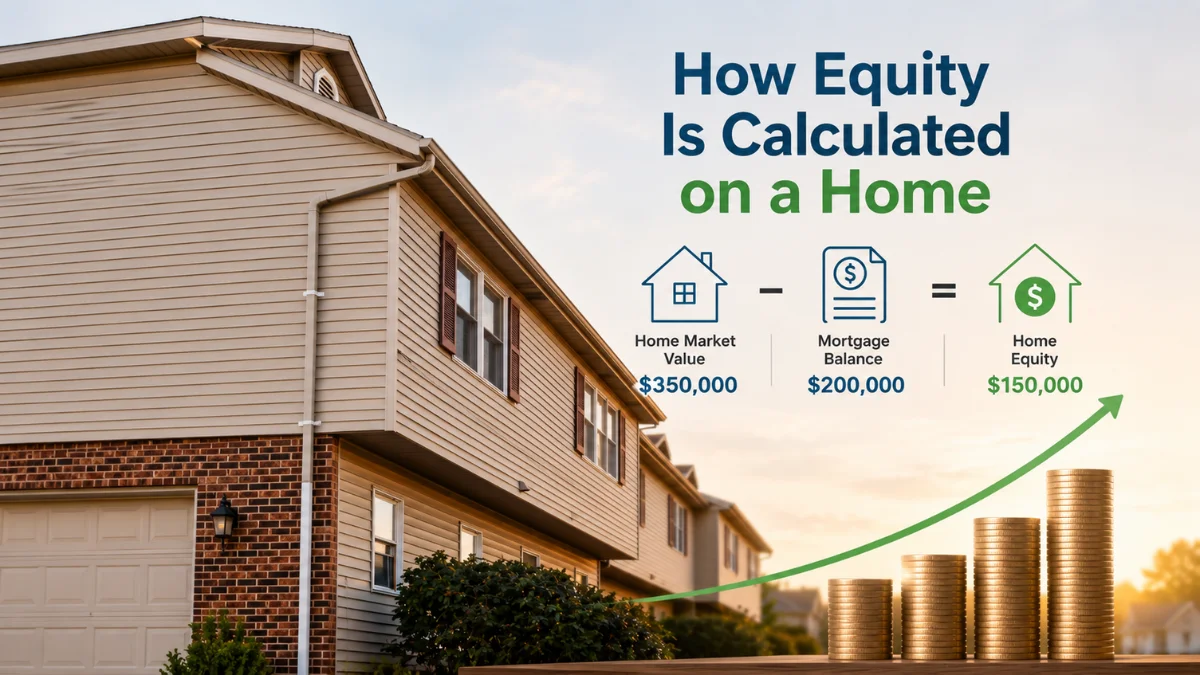
If your home has gained value and you have strong equity, selling may allow you to put a larger down payment on a better property.
Many first-time homeowners stay until they build enough equity to move into a more suitable home.
If your equity is high, you may also consider options like a cash-out refinance, but that approach increases debt and extends your loan balance.
In many cases, selling is cleaner and financially safer than borrowing against your home. If you’re unsure, reading about home equity refinance strategies can help you decide if tapping equity or selling is the smarter play.
The key is recognizing that equity is not just a number, it’s a tool that can improve your living situation when used correctly.
When Repairs and Renovations Are Not Worth the Investment
Renovations sound exciting, but they don’t always provide a good return. If your home requires major structural repairs or expensive upgrades, moving may cost less than fixing everything.
Common examples include old roofs, outdated electrical systems, plumbing problems, foundation damage, or high energy inefficiency.
Even if you remodel, there’s no guarantee you’ll get that money back when you sell. If the neighborhood has limited appreciation potential, you could end up spending $50,000 on upgrades and only increasing the home value by $20,000.
That’s a financial loss disguised as improvement. In this situation, moving to a newer home or better area may provide more long-term value.
Running the numbers using an estimated mortgage calculator can help you compare costs between staying and upgrading versus buying a different property.
When Renting Out Your Home Makes More Sense Than Living In It
Some homeowners move not because they dislike their home, but because it becomes a better investment than a place to live.
If your property is in a high-demand rental area, you might move to a new home and keep your first home as a rental property.
This strategy can build long-term wealth, but only if rental income covers mortgage payments and repairs.
If you’re considering this path, refinancing might improve cash flow by lowering the monthly payment.
Reviewing refinance interest rates and using a refinance calculator can help estimate whether turning your home into a rental is financially realistic.
However, if managing tenants sounds stressful or the numbers don’t work, selling and moving is usually the safer option.
This is where financial planning matters more than emotions.
When the Market Timing Works in Your Favor?
Moving becomes especially smart when market conditions are favorable.
If home prices are high in your area and demand is strong, you might sell at a profit and use that money to upgrade or relocate.
Even if mortgage rates are higher, strong equity and good timing can make the move worth it.
However, market timing should never be the only reason you move. Many homeowners sell too quickly because they hear the market is hot, then struggle to buy again at higher prices.
This is why comparing your options using tools like the mortgage rate calculator is important. If your payment would rise significantly, staying may still be better even in a strong market.
The smartest move is one where timing and personal need align.
Frequently Asked Questions
Conclusion
Moving instead of staying makes sense when your home no longer fits your lifestyle, budget, job needs, or long-term goals.
If the cost of repairs, commuting, stress, or financial strain outweighs the benefits of staying, relocation can be the best decision.
The smartest homeowners don’t move based on emotions, they move based on strategy, planning, and realistic numbers.
To explore your options, compare mortgage scenarios, and understand refinancing possibilities before making your decision, visit Mortgage Rates Checker and make your next move with confidence.