
An honest look at homeowners’ timelines and what affects them.
Buying your first home is a big milestone, but many wonder how long they actually live in it before moving or upgrading.
Most first-time homeowners stay in their first property long enough to build equity, usually long enough to justify closing costs and lifestyle changes, yet short enough to adapt if life changes.
Understanding the typical home tenure helps first-time buyers plan finances, estimate refinance savings, and decide whether buying now makes sense compared to renting or waiting.
Average Home Tenure for First-Time Buyers
Most first-time owners hold onto their first home for about seven to ten years before selling.
This timeframe balances the costs of buying and selling with personal goals like job relocation, family expansion, or upgrading to a bigger home.
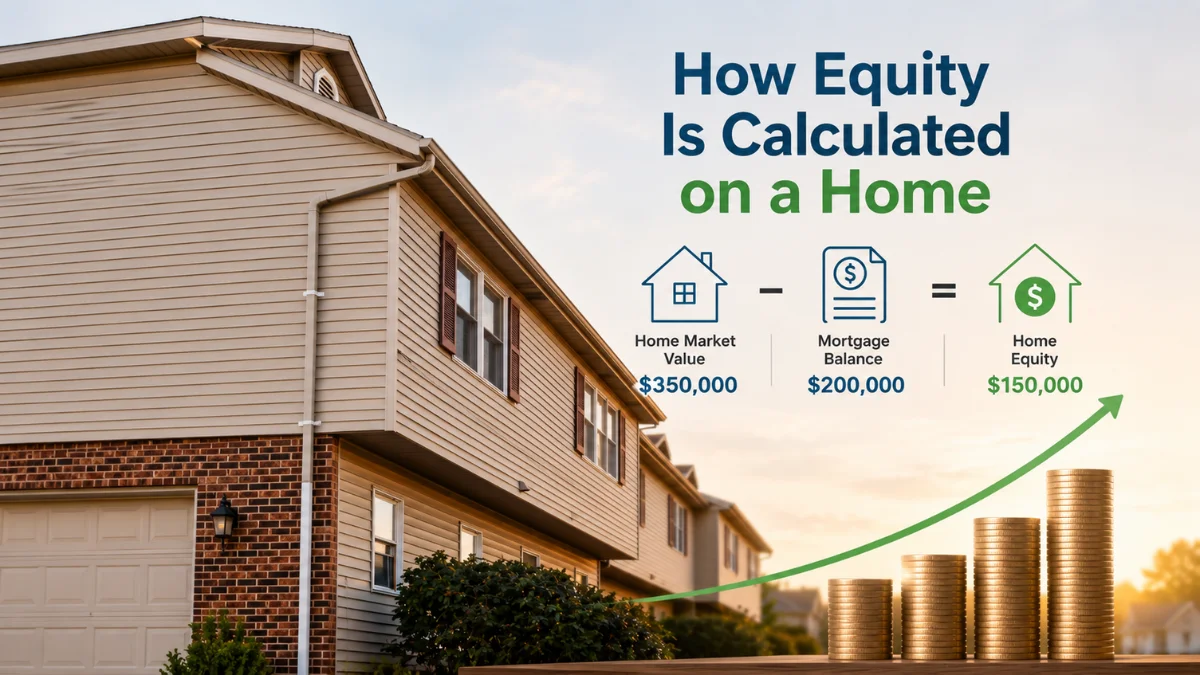
Many buyers sell when they’ve built enough equity to afford a move without carrying two mortgages.
This average is influenced by life stages and local real estate trends. In high-growth areas, homeowners might sell sooner to capitalize on price appreciation.
In more stable markets, people might stay longer because selling costs or market timing isn’t favorable.
Ultimately, your unique plans should guide how long you intend to live in a property, not just average statistics.
Why People Leave Their First Home Earlier?
Several life factors often prompt homeowners to sell sooner than expected:
- Job relocation: New employment opportunities far from the current home
- Growing family: Need for more space as family size increases
- Financial changes: Need to reduce payments or access equity through cash-out refinance
- Lifestyle shifts: Desire for a different neighborhood or home type
Early movers sometimes regret selling too soon if market timing isn’t in their favor. If you think you might sell within a few years, comparing long-term cost versus short-term benefit is wise.
Tools like a rent vs buy calculator can help gauge whether buying now fits your timeline and budget.
What To Read Next
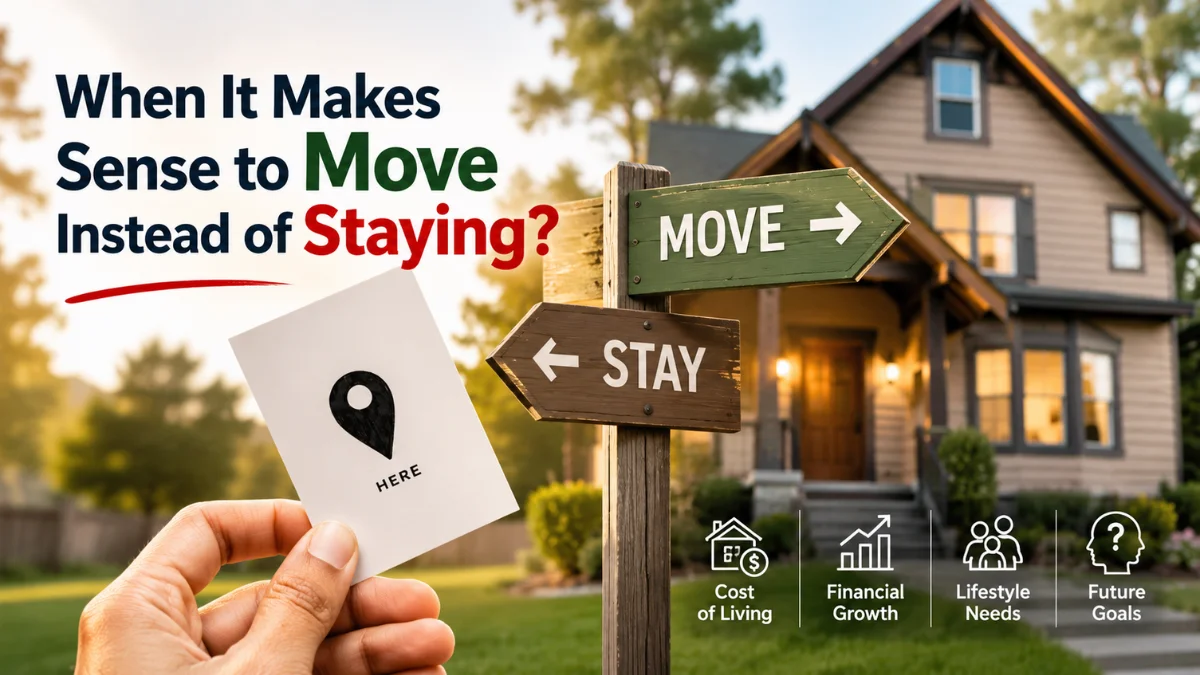


When It Makes Sense to Stay Longer?
Staying in your first home beyond the average 7-10 years can be smart when:
- Your mortgage interest rate is low
- You have significant equity built up
- Selling costs will outweigh market gains
- You enjoy stability and community
Holding the property longer also lets you explore refinancing opportunities, like lowering your rate or shortening your term.
Using things like a refinance break-even calculator can show how long you must stay in the home for a refinance to pay off.
If you plan on staying long-term, ensure your home still fits your lifestyle and financial goals.
How Selling Timeline Affects Financial Planning
Your expected length of stay impacts many financial decisions:
- Whether to pursue adjustable vs fixed rates
- Timing a rate lock
- Planning for closing costs on a future sale
- Deciding if a no-closing-cost refinance makes sense
Generally, if you plan to stay fewer than 5–7 years, buyers may prefer lower upfront costs.
If your intention is long-term homeownership, focusing on low monthly payments and equity building may be better.
Considering your timeline helps you optimize mortgage strategies for your situation, whether that’s buying, refinancing, or future upsizing.
Frequently Asked Questions
Conclusion
Most first-time homeowners stay in their first home about 7-10 years, though personal goals and life changes can change that.
Planning how long you expect to stay can help you choose the best mortgage and refinance options and tools like the rent vs buy calculator or break-even tools can make that plan clearer.
For trusted guidance on mortgage options, rates, and planning your next move, visit Mortgage Rates Checker, where we help homeowners make smarter decisions every step of the way.