A mortgage is one of the longest financial commitments most people will ever make.
For first-time buyers, it can feel exciting to get approved, but the real responsibility begins after closing.
Understanding what long-term mortgage commitments involve can protect you from financial stress, unexpected costs, and regret years later.
A mortgage is not just a loan, it’s a long-term financial contract tied to your income stability and market conditions.
Over 15 to 30 years, your payment schedule, interest rate changes, and homeownership costs will shape your wealth, savings, and ability to move or refinance when needed.
A Mortgage Is a 15-30 Year Lifestyle Decision, Not Just a Loan
Most buyers focus heavily on getting approved and securing a good interest rate, but a mortgage is more than a monthly payment.
It’s a long-term commitment that impacts where you live, how flexible your career choices are, and how much risk you take financially.
Once you buy, moving becomes harder because selling costs money and timing matters.
This is why buyers should treat a mortgage like a lifestyle plan, not just a financial product. If you think you may relocate for work, start a family, or change income levels, you need a mortgage that fits those possibilities.
Reviewing mortgage basics and learning how the process works early can help you avoid choosing the wrong loan. The goal is to buy a home that fits your future, not just your current emotions.
Monthly Mortgage Payments Are Only Part of the Real Cost
Many buyers assume their mortgage payment is just principal and interest, but long-term commitments come with additional costs.
Property taxes, homeowners insurance, PMI, HOA fees, utilities, and maintenance can make your total monthly cost much higher than expected.
Over the years, these costs usually increase, even if your mortgage payment stays fixed.
This is why buyers should calculate the full housing cost before committing. Using a mortgage calculator with taxes and insurance helps estimate the real monthly expense more accurately.
Also, understanding closing costs explained can prepare you for upfront expenses that affect your savings. Long-term affordability is about total housing cost, not just the loan payment.
What To Read Next


Interest Rates Can Change Your Long-Term Financial Outcome
The interest rate you choose has a major impact on how expensive your mortgage becomes over time. Even a small difference like 0.50% can add tens of thousands of dollars in interest over a 30-year term.
That’s why smart buyers compare rates and understand what affects them before signing.
Fixed-rate mortgages provide stability, while adjustable-rate mortgages may offer lower initial payments but can increase later.
Buyers should also understand that refinancing is possible, but not guaranteed, because future rates may be higher.
Keeping track of mortgage rates today and learning how mortgage rates work can help you make smarter decisions. A mortgage rate is not just a number, it shapes your entire long-term financial plan.
Long-Term Mortgage Commitments Reduce Flexibility to Move
One major downside of long-term mortgages is reduced mobility. If you want to move after only a few years, you may lose money due to selling costs, realtor fees, and market fluctuations.
This is why buyers should think carefully before purchasing if they expect major life changes.
Most experts suggest staying at least 5-7 years to make homeownership financially worthwhile. If you sell too early, you may not build enough equity to recover closing costs.
Buyers who are uncertain about their timeline should compare renting and buying using a rent vs buy calculator.
Long-term commitment works best when you plan to stay long enough for equity to grow and costs to spread out over time.
Refinancing Can Help, But It Can Also Extend Your Debt
Refinancing is a powerful tool for long-term mortgage management. It can lower your interest rate, reduce your monthly payment, or shorten your loan term.
However, refinancing can also restart your debt clock if you refinance into a new 30-year loan after already paying for years. That may lower your payment but increase total interest paid long-term.
Before refinancing, homeowners should compare current refinance rates and review refinance interest rates to understand what’s available.
It’s also smart to calculate break-even points using a refinance break-even calculator so you know if the savings are real.
Refinancing can be a wealth-building strategy when used wisely, but it must align with your long-term goals.
Home Maintenance and Repairs Are Long-Term Financial Responsibilities
Unlike renting, homeowners are responsible for every repair and upgrade.
Over 15–30 years, major expenses like roof replacement, HVAC repairs, plumbing issues, appliances, and structural maintenance are unavoidable.
Many buyers underestimate how expensive long-term homeownership can become when repairs hit unexpectedly.
This is why buyers should keep an emergency fund separate from their down payment savings. Homeownership builds wealth, but only if you can afford the upkeep without falling into debt.
If you’re buying a home at the top of your budget, repairs can quickly become overwhelming.
Planning ahead with a home mortgage calculator and understanding your safe monthly budget can prevent financial stress later.
A mortgage commitment is not only paying the bank, it’s maintaining the property too.
Mortgage Commitments Can Build Wealth When Managed Correctly
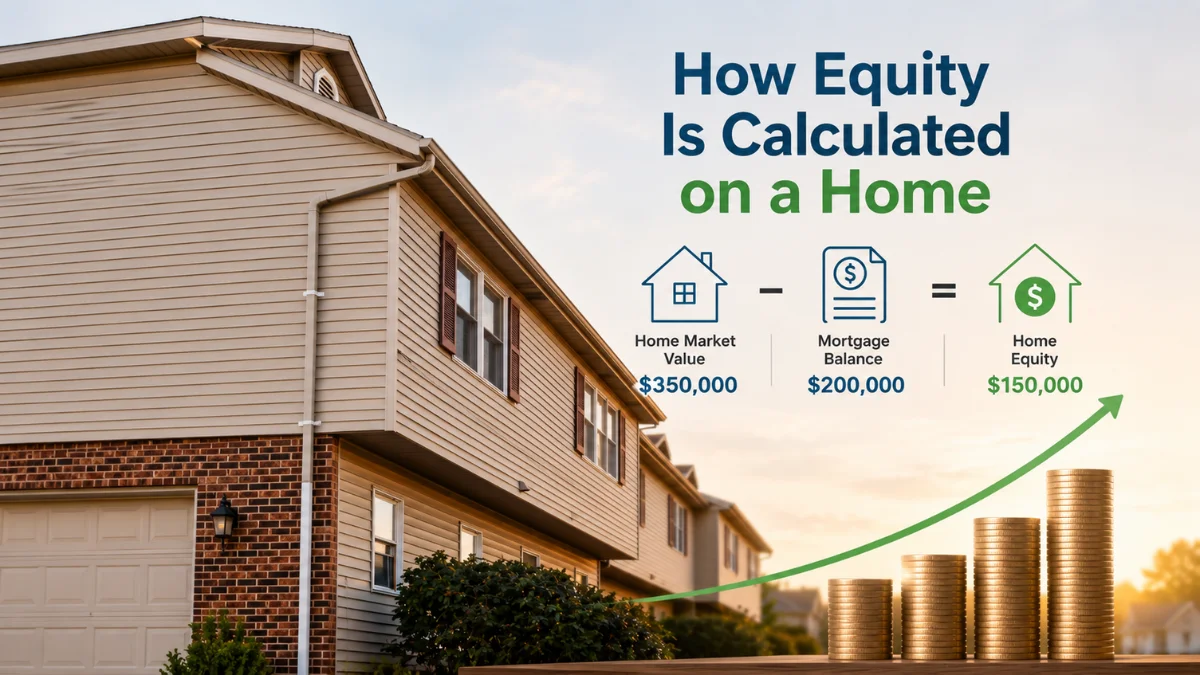
Despite the responsibility, long-term mortgages can be one of the best wealth-building tools. Each payment builds equity, and over time, your home may appreciate in value.
This combination of equity growth and appreciation is why many homeowners build net worth faster than renters. Long-term commitment creates a financial foundation that can support future investments and stability.
If you make extra payments, refinance strategically, or choose a shorter term, you can reduce interest costs significantly.
Using tools like the mortgage calculator with extra payments helps you see how quickly you can reduce debt.
Over time, long-term mortgages can become a major advantage, especially when housing costs stabilize compared to rising rent prices.
Frequently Asked Questions
Conclusion
Long-term mortgage commitments are not just about getting approved, they affect your finances, flexibility, and lifestyle for decades.
Buyers should understand total monthly costs, interest rate impact, refinancing risks, maintenance responsibilities, and the need to stay long enough to build equity.
A mortgage can be a powerful wealth-building tool, but only when it fits your long-term plan and budget.
For expert mortgage guidance, rate insights, refinance planning, and smarter home-buying tools, visit Mortgage Rates Checker and make confident long-term decisions.