Many travelers believe they have to choose between saving money and having a great vacation.
In reality, the smartest trips are those where you spend intentionally rather than excessively.
Learning how to control travel expenses allows you to enjoy more activities, experience local culture, and create unforgettable memories without overspending.
The key isn’t cutting every expense, it’s making better financial decisions before and during your trip.
With thoughtful planning, realistic budgeting, and a few money-saving strategies, you can travel comfortably while keeping your finances under control.
A successful vacation isn’t measured by how much money you spend. It’s about getting the best value from your budget while enjoying every part of your journey without financial regrets.
Set a Realistic Travel Budget Before You Leave
The first step to control travel expenses is creating a budget before making any reservations.
Estimate the cost of flights, accommodation, meals, transportation, sightseeing, shopping, travel insurance, and emergency funds.
Having a clear spending limit helps you make informed decisions and reduces the temptation to overspend. A realistic budget also gives you confidence to enjoy your trip without constantly worrying about your remaining money.
Prioritize Experiences That Matter Most
Every destination offers countless attractions, but trying to do everything can quickly exhaust your vacation budget. Instead, identify the experiences that are most meaningful to you and allocate your money accordingly.
Whether it’s exploring historical landmarks, enjoying local cuisine, or taking a guided tour, focusing on your priorities ensures your spending delivers the greatest value while eliminating unnecessary expenses.
Reduce Transportation and Accommodation Costs
Transportation and accommodation often account for the largest share of travel expenses.
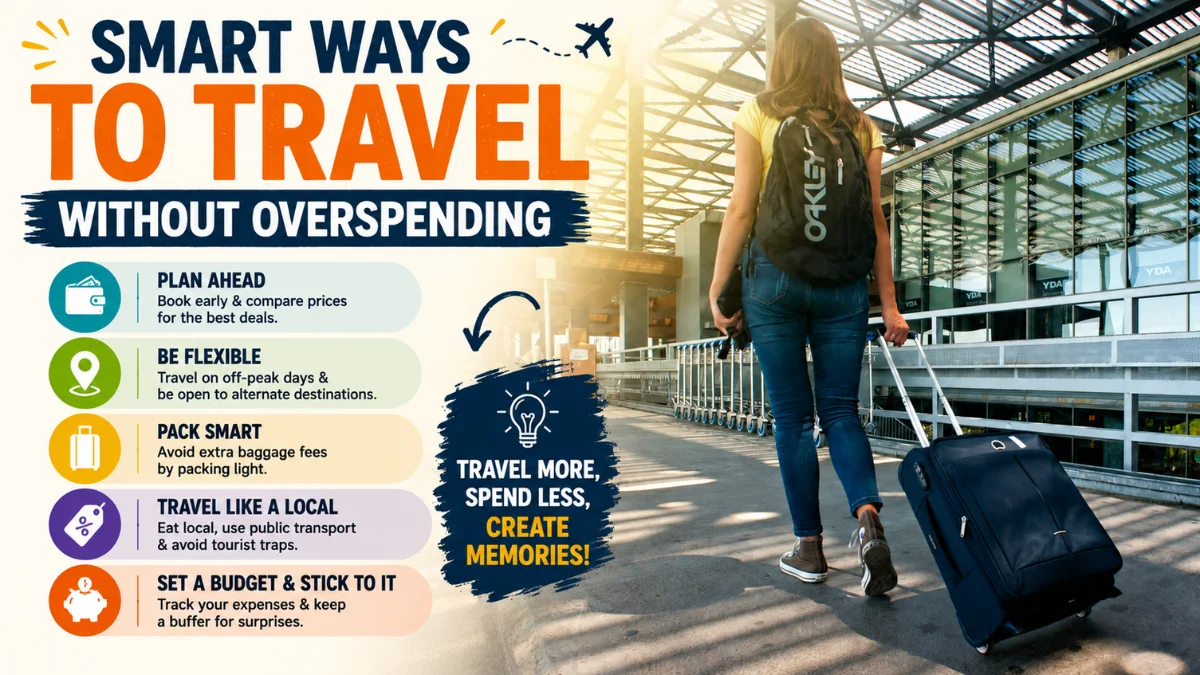
Booking flights early, traveling during off-peak seasons, and comparing hotel prices can significantly reduce costs.
Staying slightly outside popular tourist areas may provide lower accommodation rates while remaining convenient through public transportation.
Small adjustments like these can create substantial savings without affecting the overall quality of your vacation.
Keep Daily Spending Under Control
A daily spending limit is one of the simplest ways to avoid overspending while traveling. Divide your vacation budget into daily amounts for meals, transportation, entertainment, and shopping.
Tracking expenses each day helps you recognize unnecessary spending before it becomes a problem. If you spend more one day, you can balance your budget by spending less the following day without affecting your overall trip.
Avoid Hidden Travel Expenses
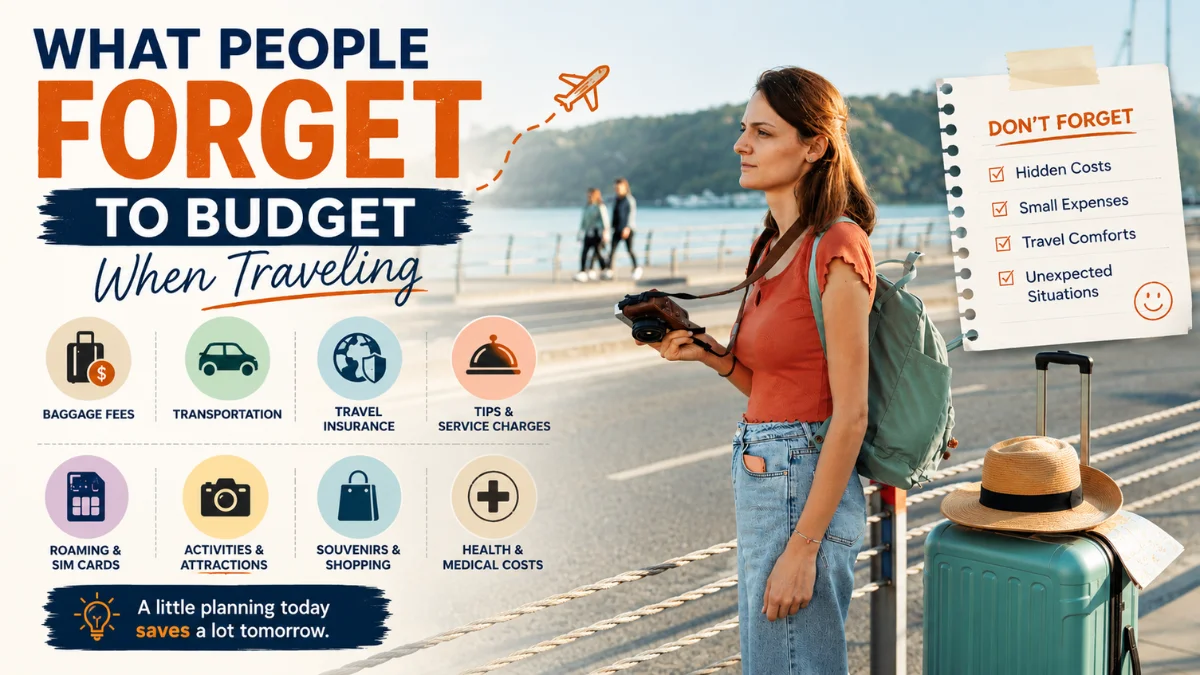
Many travelers underestimate the impact of hidden costs. Baggage fees, airport transfers, roaming charges, hotel resort fees, parking, taxes, and service charges can quietly increase your travel expenses.
Research these costs before departure and include them in your vacation budget. Preparing for hidden expenses helps you avoid unexpected financial surprises and makes your overall travel planning more accurate.
What to Read Next



Take Advantage of Discounts and Travel Rewards
Saving money while traveling doesn’t always require cutting back.
Airline loyalty programs, hotel rewards, seasonal promotions, attraction passes, cashback offers, and travel discounts can reduce your overall expenses without changing your itinerary.
Spending a few extra minutes comparing deals before booking often results in meaningful savings that you can use for additional experiences during your vacation.
Prepare for Unexpected Costs
Even the best travel plans can change unexpectedly. Flight delays, medical emergencies, or lost luggage may require additional spending.
Keeping an emergency travel fund ensures you’re financially prepared without relying on expensive credit card debt.
If you’re estimating how much you can comfortably afford before booking, a Loan Calculator can help evaluate repayment costs.
If financing becomes necessary, a Personal Loan Calculator can help you understand potential monthly payments and borrow responsibly.
Review Your Spending After the Trip
Once your vacation is over, review your travel expenses and compare them with your original budget. Identify which categories exceeded your expectations and where you successfully saved money.
This habit helps improve future travel planning and allows you to make smarter financial decisions on your next trip. Every vacation provides valuable lessons that make budgeting easier over time.
Conclusion
Learning how to control travel expenses doesn’t mean giving up memorable experiences, it means spending with purpose.
By creating a realistic travel budget, prioritizing meaningful activities, reducing unnecessary costs, tracking your daily spending, and preparing for unexpected expenses, you can enjoy an incredible vacation without exceeding your budget.
Smart financial planning allows you to experience more, worry less, and return home with great memories instead of financial stress.