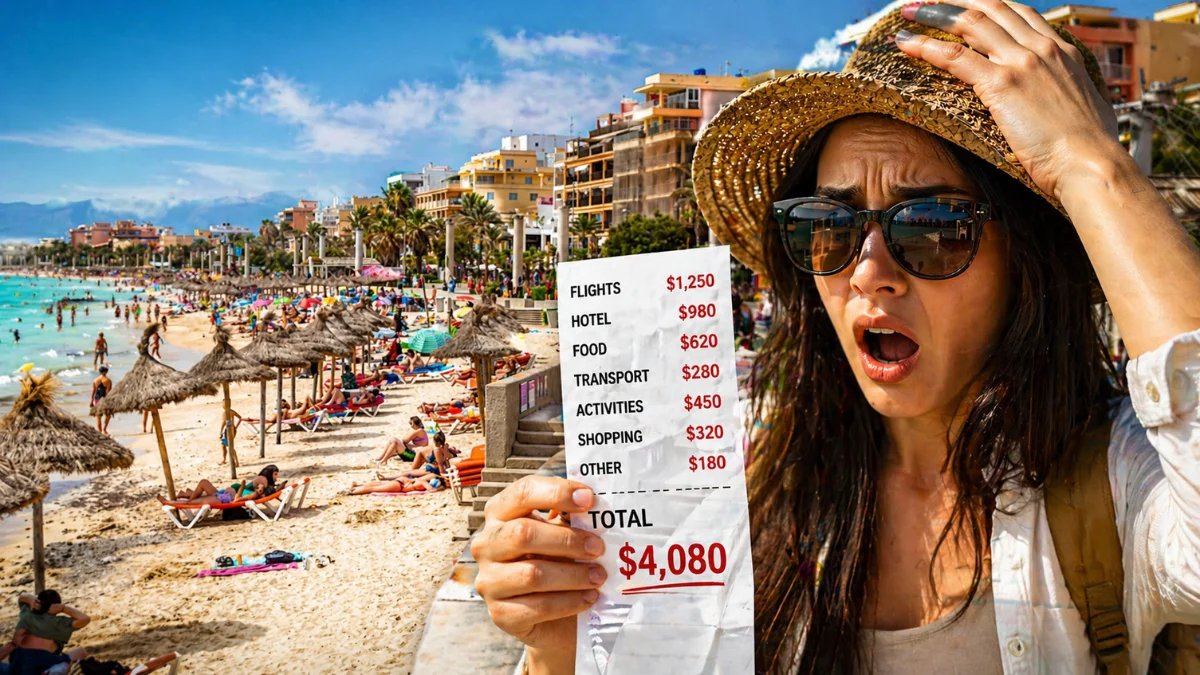
Creating a travel budget is one of the best ways to keep your vacation affordable, but many people only account for the obvious expenses like flights and accommodation.
Unfortunately, that’s rarely enough. Unexpected fees, transportation, food, and emergency expenses often push travelers well beyond their original budget.
A complete travel budget checklist helps you prepare for every stage of your trip. Whether you’re traveling alone, with family, or internationally, understanding forgotten travel expenses can help you avoid financial surprises and make smarter spending decisions.
Many vacations become more expensive than expected because travelers focus only on major bookings.
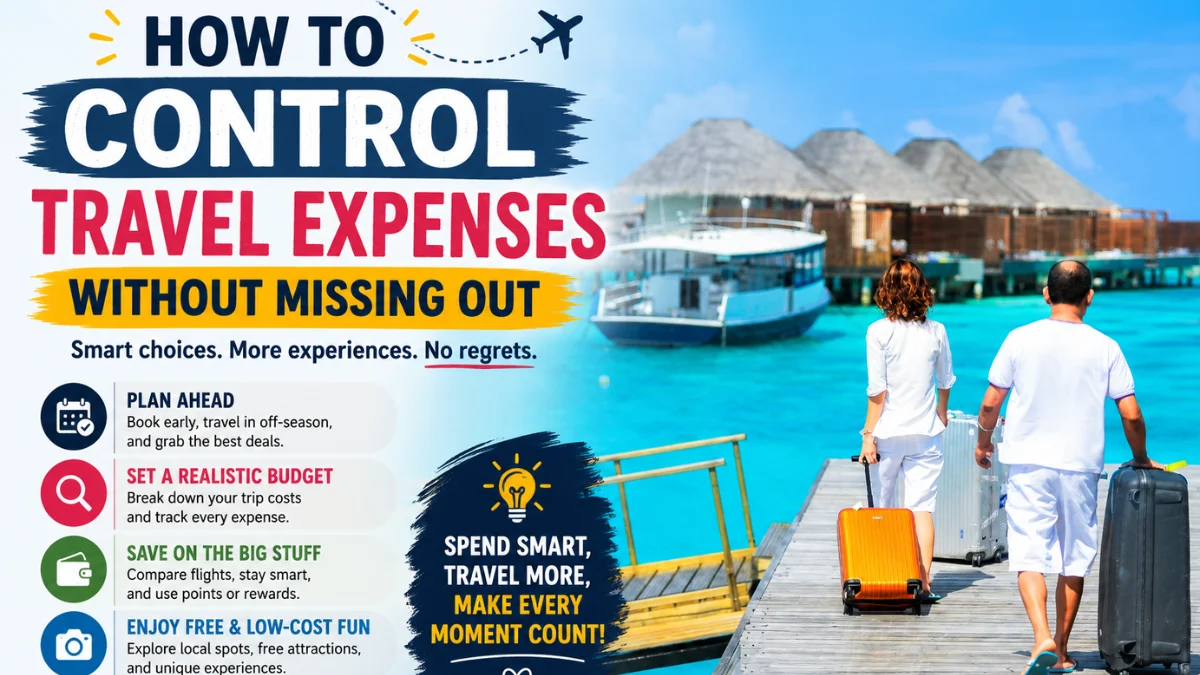
Planning for every possible expense before you leave allows you to enjoy your trip without constantly worrying about your remaining budget.
Start With a Complete Travel Budget Checklist
A good travel budget checklist goes beyond airfare and hotel reservations. It should include transportation, meals, sightseeing, shopping, travel insurance, baggage fees, internet access, and emergency funds.
Listing every possible expense gives you a realistic picture of your total vacation budget before you book anything.
Many experienced travelers also leave room for unexpected costs because surprises are almost inevitable during any trip.
Hidden Travel Costs Can Add Up Quickly
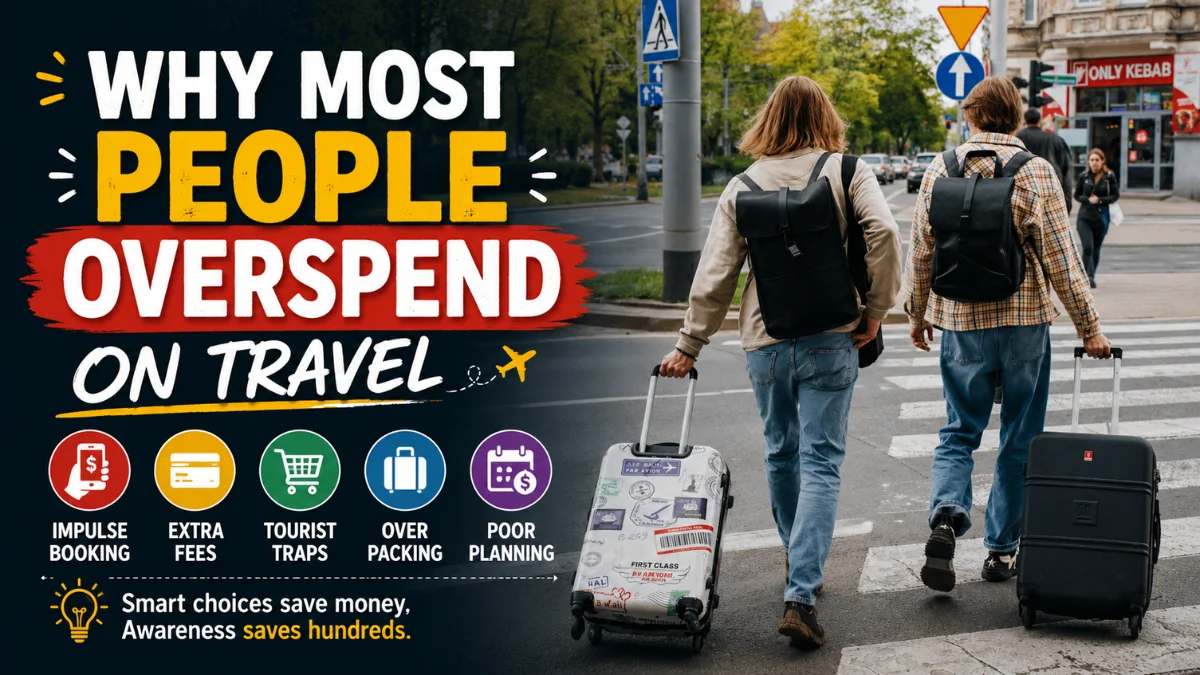
One of the biggest reasons people overspend is forgetting about hidden travel costs.
Resort fees, city taxes, airport parking, luggage storage, ATM withdrawal fees, currency conversion charges, and tipping can quietly increase your travel expenses.
Individually these costs seem small, but together they may add hundreds of dollars to your overall vacation.
Including these forgotten travel expenses in your budget helps you avoid unpleasant surprises.
Don’t Forget Local Transportation Costs
Many travelers only budget for airfare but forget what happens after landing.
Transportation costs such as taxis, rideshare services, airport shuttles, buses, trains, rental cars, parking, fuel, and tolls can significantly affect your budget.
Researching transportation options before your trip allows you to compare prices and choose the most affordable way to reach your destination while keeping travel spending under control.
Food and Drinks Often Cost More Than Expected
Food is one of the easiest travel expenses to underestimate. Eating every meal at restaurants, buying snacks during sightseeing, or ordering room service can quickly exceed your planned budget.
Setting a daily food budget while traveling helps prevent overspending.
Choosing accommodations with free breakfast, visiting local grocery stores, or preparing simple meals occasionally can reduce vacation expenses without affecting your overall experience.
Budget for Travel Insurance and Emergencies
Many travelers skip travel insurance to save money, only to regret it when flights are canceled, luggage is delayed, or medical emergencies occur.
Even if everything goes according to plan, having travel insurance provides financial protection and peace of mind.
It’s also wise to keep a separate travel emergency fund for unexpected situations like medical treatment, lost belongings, or last-minute itinerary changes.
Worth Reading Next


Remember Extra Hotel and Airport Fees
The advertised hotel price isn’t always the amount you’ll actually pay.
Many hotels charge parking fees, resort fees, Wi-Fi fees, early check-in charges, or security deposits. Airports also have expenses such as baggage fees, premium seating, food, and last-minute purchases.
Adding these costs to your travel spending checklist creates a much more accurate vacation budget and reduces the risk of overspending.
Plan for Shopping and Entertainment
Souvenirs, local attractions, guided tours, museums, amusement parks, concerts, and nightlife are easy to overlook when creating a budget.
Although these activities make vacations memorable, they also increase your travel expenses.
Decide in advance how much you’re comfortable spending on entertainment and shopping so you can enjoy these experiences without feeling guilty afterward.
Use Budgeting Tools Before You Travel
Before booking your vacation, estimate your total expenses and compare them with your available savings.
If you’re considering financing part of your trip, using a Loan Calculator can help estimate repayment costs, while a Personal Loan Calculator allows you to understand your monthly payments before borrowing.
These tools support responsible financial planning and help you avoid taking on more debt than you can comfortably repay.
Conclusion
A complete travel budget checklist includes much more than flights and hotels.
Hidden travel costs, transportation, meals, travel insurance, entertainment, airport fees, and emergency expenses all contribute to your total vacation budget.
Planning for these forgotten travel expenses allows you to travel confidently, avoid financial stress, and enjoy your trip without constantly worrying about money.
A little preparation today can save you from expensive surprises tomorrow.