
Down Payment Calculator: How Much Do You Need?
A Down Payment Calculator helps home buyers estimate how much money they need upfront when purchasing a home...
A Down Payment Calculator helps home buyers estimate how much money they need upfront when purchasing a home.
The down payment is typically expressed as a percentage of the home’s purchase price and directly affects the loan amount you’ll need to finance.
This calculator allows you to enter a home price and down payment percentage to instantly see the required down payment amount and the remaining loan balance.
Larger down payments usually reduce monthly mortgage payments and may help avoid additional costs such as private mortgage insurance (PMI).
Down payment calculators are especially useful for first-time buyers planning savings goals and comparing affordability.
While a 20% down payment can help avoid PMI, many loan programs allow lower down payments. Choosing a smaller down payment may increase monthly costs but preserve cash for emergencies, closing costs, and future expenses.
Important: This down payment calculator provides estimated results for informational purposes only and does not constitute financial advice or a loan offer. Loan requirements and costs may vary. Please review our Disclaimer for full details.
Buying a home sounds simple until you hit the down payment question.
How much do you actually need upfront, and how does that number change your monthly payment?
That’s exactly what this Down Payment Calculator is built for.
Instead of guessing or relying on outdated rules like “you must put 20% down,” this calculator helps you see real numbers based on your situation.
Down Payment Calculator
A Down Payment Calculator helps you estimate how much money you need upfront when buying a home and how that amount affects your mortgage.
While many buyers focus on interest rates and monthly payments, the down payment quietly influences almost every part of the loan.
This calculator exists to answer a practical question: “How much difference does my down payment actually make?”
What a Down Payment Impacts Beyond the Purchase Price?
Your down payment affects more than just the amount you borrow. It directly influences:
- Loan amount
- Monthly mortgage payment
- Interest paid over time
- Whether PMI is required
- Overall affordability and risk
Even small changes in down payment can noticeably change monthly comfort.
That’s why many buyers compare these results with a mortgage payment calculator instead of relying on price alone.
Bigger Down Payment vs Keeping Cash
A higher down payment often leads to:
- Lower monthly payments
- Less interest over the life of the loan
- Reduced or eliminated PMI
But it also means using more cash upfront. For some buyers, keeping savings for emergencies, repairs, or life changes feels safer than putting everything into the home.
Understanding what monthly mortgage payment is safe helps balance lower payments against financial flexibility.
How Down Payment Affects PMI and Loan Options
For many conventional loans, a down payment below 20% can trigger private mortgage insurance (PMI), increasing the monthly cost. Increasing the down payment may:
- Lower PMI costs
- Remove PMI sooner
- Improve overall affordability
This is why buyers often compare scenarios using both a down payment calculator and a mortgage calculator with PMI before deciding how much to put down.
Different loan programs also treat down payments differently, which makes assumptions risky without testing the numbers.
First-Time Buyers: Common Down Payment Myths
Many first-time buyers delay purchasing because they believe a large down payment is mandatory. In reality:
- Some loans allow low or even no down payment
- Assistance programs may be available
- Monthly affordability matters more than the percentage down
Understanding how much down payment first-time buyers really need helps avoid unnecessary delays or financial stress.
What This Calculator Does Not Fully Include
A Down Payment Calculator focuses on upfront and loan-related impact. It does not fully account for:
- Closing costs
- Property taxes and insurance
- Maintenance and repair expenses
- Opportunity cost of invested cash
That’s why buyers often review hidden home buying costs alongside down payment planning.
How to Use a Down Payment Calculator?
The most effective way to use a Down Payment Calculator is to:
- Test multiple down payment scenarios
- Compare monthly comfort, not just the lowest payment
- Keep emergency savings intact
- Factor in PMI, taxes, and insurance separately
Some buyers revisit these numbers later when considering refinance options or planning future equity strategies.
Frequently Asked Questions
Conclusion
There is no universally perfect down payment amount. The right choice balances:
- Monthly affordability
- Cash reserves
- Risk tolerance
- Long-term goals
A Down Payment Calculator helps you see those trade-offs clearly without pressure or assumptions.
Mortgage Calculator
Recommended Mortgage Tools
Refinance Break-Even Calculator
See how long it takes to recover refinance costs.
Debt-to-Income Ratio Calculator
Check if your income supports mortgage approval.
Refinance Readiness Checker
Find out if now is the right time to refinance.
Mortgage Eligibility Checker
Quickly see if you qualify for a home loan.
First-Time Buyer Readiness
Know if you're ready to buy your first home.
Mortgage Pre-Approval Calculator
Estimate how much you can borrow instantly.
Related Posts
Featured Mortgage Insights
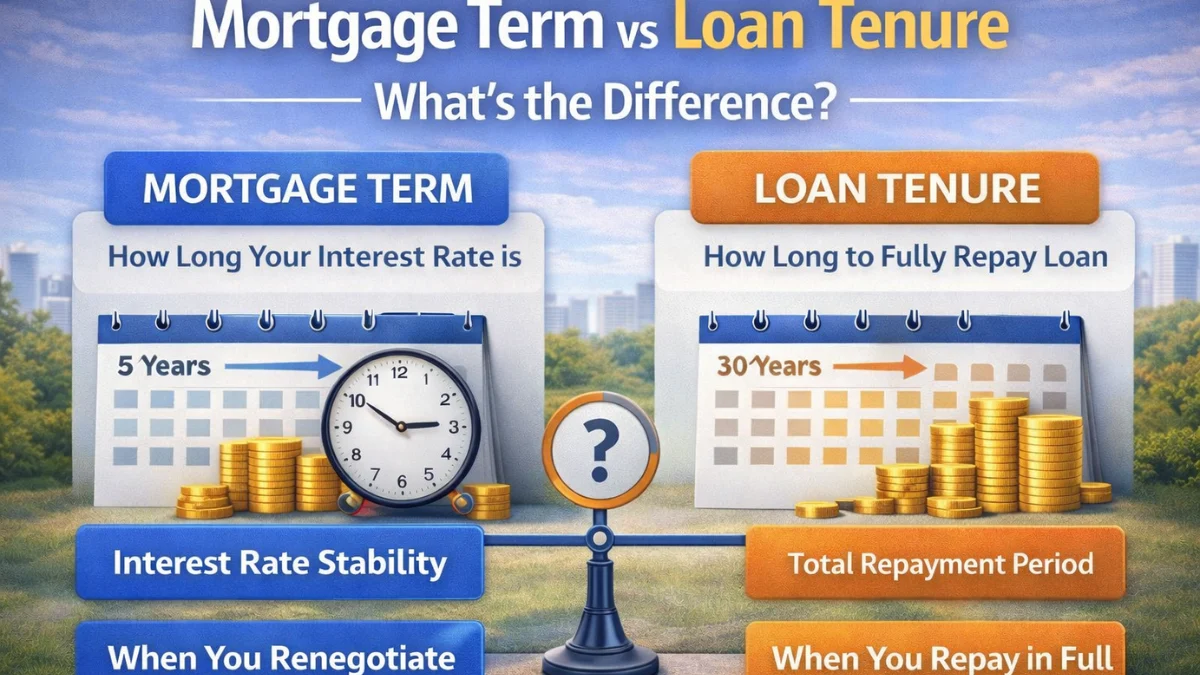
Mortgage term is the period your interest rate is fixed, while loan tenure is the total time to repay the loan. Both impact payments, refinancing, and total interest.

Featured Mortgage Insights
Mortgage rates are influencing buyer budgets more than expected as borrowing costs directly affect monthly payments and long-term affordability. Many buyers are adjusting spending limits and home search plans to align mortgage commitments with financial stability.
Featured Mortgage Insights
Many homebuyers are closely watching mortgage rates before making property offers, as borrowing costs directly influence affordability and monthly payments. Rate movements are increasingly shaping purchase timing and buyer confidence across today’s housing market.


About the Author: Ratiranjan Singha