

Buying a home is a major financial commitment, and most buyers in the United States use a mortgage to cover part of the purchase price. Instead of paying the full amount upfront, you borrow money from a lender and repay it through scheduled payments over an agreed period.
A mortgage involves more than borrowing money. Your interest rate, down payment, loan term, credit profile, and additional housing expenses all affect the overall cost. Understanding these elements can help you compare mortgage offers, estimate your monthly payment, and decide how much home you can comfortably afford.
What Is a Mortgage?
A mortgage is a loan used to purchase or refinance real estate. The borrower receives financing from a lender and agrees to repay the principal, interest, and any applicable fees according to the loan agreement.
The property typically serves as collateral. This gives the lender a legal interest in the home until the mortgage is repaid and the lien is released. If you fail to meet your repayment obligations, the lender may eventually pursue foreclosure under applicable laws and procedures.
For example, if you buy a house for $350,000 and make a $50,000 down payment, you would generally need to borrow $300,000, excluding closing costs and any other financed expenses. Your monthly payments would depend on the interest rate, repayment term, and loan conditions.
How Does a Mortgage Actually Work?
The mortgage process begins when you apply for financing through a bank, credit union, mortgage company, or another lender. The lender reviews your income, credit history, existing debts, assets, down payment, and other information to determine whether you qualify.
If your application meets the lender’s requirements, the lender provides a loan offer with specific terms, including the interest rate, repayment period, fees, and estimated payment. The property may also need an appraisal to assess its market value.
Once the required conditions are satisfied, you proceed to closing. The mortgage funds are used as arranged in the purchase transaction, and you begin making payments according to the loan agreement.
Throughout the repayment period, your payments reduce the outstanding loan balance and cover interest. When the mortgage is fully repaid, the lender’s mortgage lien can be released.
What Makes Up a Monthly Mortgage Payment?
A mortgage payment can include several components, depending on your loan and how property-related expenses are collected.
- Principal: The amount applied to reducing your outstanding loan balance.
- Interest: The cost of borrowing money from the lender.
- Property taxes: Taxes charged by local or other taxing authorities, sometimes collected through escrow.
- Homeowners insurance: Coverage for specified risks affecting your property.
- Mortgage insurance: May be required for certain loan programs or when the down payment is below applicable thresholds.
- HOA fees: Homeowners association dues may apply to some properties and are often paid separately.
Principal and interest are the core components of a standard mortgage payment. When taxes, insurance, and other expenses are included, your total monthly housing cost can be considerably higher.
Use the mortgage calculator to estimate your principal and interest payment. Add taxes, insurance, and other applicable expenses to build a more realistic housing budget.
How Do Mortgage Interest Rates Work?
The interest rate determines how much you pay to borrow money. For a given loan amount and repayment term, a higher interest rate generally means a higher monthly principal and interest payment and more interest paid over the life of the loan.
Mortgage rates can vary based on market conditions, loan type, repayment term, credit history, down payment, and lender pricing. Different borrowers may receive different offers on the same day.
Mortgages commonly come with either a fixed or adjustable interest rate. A fixed-rate mortgage keeps the interest rate unchanged throughout the agreed fixed-rate term. An adjustable-rate mortgage may have an initial fixed period followed by scheduled rate adjustments, which can change your payment.
When comparing offers, look at both the interest rate and the annual percentage rate (APR). APR incorporates certain loan costs and provides another way to compare borrowing expenses, although it does not include every cost of owning a home.
What To Read Next



Why Do Down Payment and Loan Term Matter?
Your down payment is the money you contribute toward the home’s purchase price. A larger down payment generally reduces the amount you need to borrow, which can lower your monthly principal and interest payment and reduce the total interest paid, assuming the same rate and term.
However, putting more money down is not always the best choice if it leaves you without enough savings for emergencies, repairs, and other expenses. Some mortgage programs allow eligible buyers to purchase a home with a relatively small down payment, though mortgage insurance or other fees may apply.
Your loan term also affects the cost of borrowing. A 15-year mortgage usually requires higher monthly principal and interest payments but typically costs less in total interest than a comparable 30-year mortgage. A 30-year mortgage spreads repayment over more payments, making the required monthly payment generally lower.
Compare different loan amounts and repayment periods before deciding how much to borrow.
What Happens When You Make Mortgage Payments?
Most standard fixed-rate mortgages use a repayment method called amortization. Each scheduled payment covers interest and reduces the principal balance according to an established schedule.
Early in the loan, more of the payment generally goes toward interest because the outstanding balance is larger. As the principal decreases, less interest accrues, allowing more of each scheduled payment to go toward the remaining balance.
For example, with a fully amortizing fixed-rate mortgage, the principal and interest payment is generally the same each month, but the split between interest and principal changes over time.
Making additional principal payments can reduce your outstanding balance more quickly and may lower the total interest you pay. Check your loan terms for any applicable prepayment restrictions or penalties, and make sure extra payments are applied to principal.
What Happens If You Cannot Make Your Mortgage Payments?
Missing mortgage payments can result in late fees, negative credit reporting, and other consequences under your loan agreement. If the delinquency continues, the lender may eventually begin foreclosure proceedings, subject to applicable laws and requirements.
If you anticipate difficulty making a payment, contact your mortgage servicer as soon as possible. Depending on your circumstances and the loan program, you may qualify for options such as a repayment plan, forbearance, or loan modification.
Before taking on a mortgage, leave room in your budget for unexpected expenses. Property repairs, insurance increases, changes in income, and other financial pressures can make an otherwise affordable payment difficult to maintain.
How to Choose a Mortgage That Fits Your Budget
Start by estimating a comfortable monthly housing payment rather than focusing only on the maximum amount a lender might approve. Account for your income, existing debts, savings, property taxes, insurance, maintenance, and other regular expenses.
Next, compare mortgage offers from multiple lenders. Review interest rates, APR, lender fees, closing costs, repayment terms, and any mortgage insurance requirements. A lower advertised rate does not automatically mean a lower overall borrowing cost.
You should also consider how long you expect to stay in the home and whether you prefer predictable payments or are comfortable with the potential changes associated with an adjustable-rate mortgage.
A mortgage calculator can help you compare scenarios, but use written lender estimates to understand the actual terms and costs available to you.
Final Thoughts
A mortgage allows you to purchase or refinance a home by borrowing money and repaying it over time. The amount you borrow, interest rate, loan term, down payment, and additional housing expenses all affect what homeownership will cost.
Before applying, compare mortgage offers, estimate your total monthly housing expenses, and choose a repayment plan that leaves room for savings and unexpected costs. Understanding how a mortgage works can help you make a more informed borrowing decision and manage your home loan with confidence.
When It Makes Sense to Move Instead of Staying?
Fact-Checked & Reviewed by Tapan Kumar Mandal, MBA (Finance)
Moving isn't always the right choice. Discover how changes in your finances, family needs, and housing market conditions can help you determine the best time to relocate.
AdvertisementBuying a home is often seen as a long-term commitment, but staying forever is not always the smartest move.
Many homeowners reach a point where relocating offers better financial stability, lifestyle improvement, or long-term value.
Understanding when moving makes sense can help you avoid wasting money, overpaying for comfort, or missing better opportunities.
It makes sense to move instead of staying when your home no longer fits your budget, family needs, job location, or long-term goals. If moving improves your finances, reduces stress, or gives you better value than remodeling or refinancing, relocation can be the smarter decision.Staying is best when your home supports your future and your mortgage remains affordable.
Moving becomes the better option when the cost of fixing, upgrading, or maintaining your current home is higher than the long-term benefit.
The goal is to maximize comfort, equity growth, and financial stability.
When Your Home No Longer Fits Your Lifestyle
One of the clearest signs that moving makes sense is when your current home no longer matches your daily life.
This happens often when families grow, people start working remotely, or homeowners need space for children, aging parents, or home offices.
If your home feels cramped, uncomfortable, or poorly designed for your current lifestyle, staying can slowly become frustrating.
Many homeowners try to force a home to work through renovations, but upgrades don’t always solve the core issue.
A small home may still feel small even after remodeling, and a bad neighborhood will never become your ideal location.
In these cases, moving can be the smarter long-term decision.
Before deciding, reviewing your budget with a mortgage affordability calculator can help you understand what kind of upgrade you can realistically afford.
When Your Monthly Costs Are Becoming Unmanageable
If your mortgage payment, property taxes, HOA fees, or maintenance costs are rising faster than your income, moving may be necessary.
Many homeowners underestimate how expensive long-term ownership becomes, especially when major repairs like roofing, HVAC, plumbing, or foundation issues appear.
When these costs stack up, staying in the home can drain savings and create constant financial stress.
Sometimes refinancing can help reduce payments, especially when rates drop. Checking current refinance rates and comparing options through refinance mortgage rates can show whether staying is possible without damaging your finances.
But if refinancing still doesn’t make the numbers work, moving to a more affordable home is often the healthier option.
You can also evaluate payment scenarios using a mortgage payment calculator to see how much relief a new home might provide.
What To Read Next
When Commuting or Job Relocation Becomes a Bigger Problem
Career growth is one of the biggest reasons homeowners move.
A better job opportunity, relocation, or a shift in working arrangements can make your current location inconvenient or even impossible.
A long commute may not seem like a deal-breaker at first, but over time it can reduce quality of life, increase expenses, and cause burnout.
In these cases, staying in your current home may cost more than just money, it can cost time, energy, and mental health.
Many homeowners decide moving is worth it if they can cut commuting time, reduce transportation costs, and gain more personal freedom.
Before selling, it’s also smart to calculate if refinancing could help you keep the home as a rental.
Comparing mortgage refinance options can help you understand if converting your property into an investment is possible.
When Your Home Equity Can Unlock a Better Opportunity
Sometimes moving makes sense simply because the market gives you the chance to upgrade without financial strain.
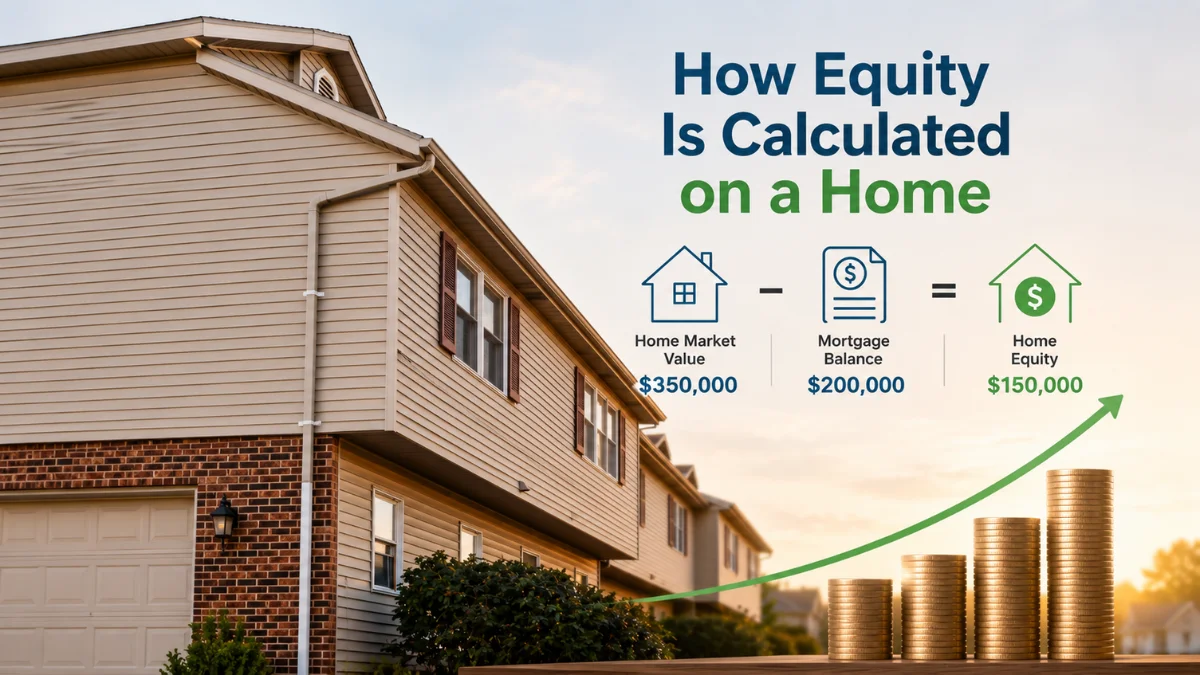
If your home has gained value and you have strong equity, selling may allow you to put a larger down payment on a better property.
Many first-time homeowners stay until they build enough equity to move into a more suitable home.
If your equity is high, you may also consider options like a cash-out refinance, but that approach increases debt and extends your loan balance.
In many cases, selling is cleaner and financially safer than borrowing against your home. If you’re unsure, reading about home equity refinance strategies can help you decide if tapping equity or selling is the smarter play.
The key is recognizing that equity is not just a number, it’s a tool that can improve your living situation when used correctly.
When Repairs and Renovations Are Not Worth the Investment
Renovations sound exciting, but they don’t always provide a good return. If your home requires major structural repairs or expensive upgrades, moving may cost less than fixing everything.
Common examples include old roofs, outdated electrical systems, plumbing problems, foundation damage, or high energy inefficiency.
Even if you remodel, there’s no guarantee you’ll get that money back when you sell. If the neighborhood has limited appreciation potential, you could end up spending $50,000 on upgrades and only increasing the home value by $20,000.
That’s a financial loss disguised as improvement. In this situation, moving to a newer home or better area may provide more long-term value.
Running the numbers using an estimated mortgage calculator can help you compare costs between staying and upgrading versus buying a different property.
When Renting Out Your Home Makes More Sense Than Living In It
Some homeowners move not because they dislike their home, but because it becomes a better investment than a place to live.
If your property is in a high-demand rental area, you might move to a new home and keep your first home as a rental property.
This strategy can build long-term wealth, but only if rental income covers mortgage payments and repairs.
If you’re considering this path, refinancing might improve cash flow by lowering the monthly payment.
Reviewing refinance interest rates and using a refinance calculator can help estimate whether turning your home into a rental is financially realistic.
However, if managing tenants sounds stressful or the numbers don’t work, selling and moving is usually the safer option.
This is where financial planning matters more than emotions.
When the Market Timing Works in Your Favor?
Moving becomes especially smart when market conditions are favorable.
If home prices are high in your area and demand is strong, you might sell at a profit and use that money to upgrade or relocate.
Even if mortgage rates are higher, strong equity and good timing can make the move worth it.
However, market timing should never be the only reason you move. Many homeowners sell too quickly because they hear the market is hot, then struggle to buy again at higher prices.
This is why comparing your options using tools like the mortgage rate calculator is important. If your payment would rise significantly, staying may still be better even in a strong market.
The smartest move is one where timing and personal need align.
Frequently Asked Questions
Conclusion
Moving instead of staying makes sense when your home no longer fits your lifestyle, budget, job needs, or long-term goals.
If the cost of repairs, commuting, stress, or financial strain outweighs the benefits of staying, relocation can be the best decision.
The smartest homeowners don’t move based on emotions, they move based on strategy, planning, and realistic numbers.
To explore your options, compare mortgage scenarios, and understand refinancing possibilities before making your decision, visit Mortgage Rates Checker and make your next move with confidence.

How Long Most People Stay in Their First Home
Fact-Checked & Reviewed by Tapan Kumar Mandal, MBA (Finance)Buying your first home is a big milestone, but it’s rarely your forever home. Explore how long most homeowners stay in their first home, what influences their decision to move, and the financial factors worth considering before making your next move.
AdvertisementAn honest look at homeowners’ timelines and what affects them.
Buying your first home is a big milestone, but many wonder how long they actually live in it before moving or upgrading.
Most first-time homeowners stay in their first property long enough to build equity, usually long enough to justify closing costs and lifestyle changes, yet short enough to adapt if life changes.
Most people stay in their first home about 7-10 years, though individual situations like job changes, growing families, or market conditions can shorten or lengthen that period significantly.Understanding the typical home tenure helps first-time buyers plan finances, estimate refinance savings, and decide whether buying now makes sense compared to renting or waiting.
Average Home Tenure for First-Time Buyers
Most first-time owners hold onto their first home for about seven to ten years before selling.
This timeframe balances the costs of buying and selling with personal goals like job relocation, family expansion, or upgrading to a bigger home.
Many buyers sell when they’ve built enough equity to afford a move without carrying two mortgages.
This average is influenced by life stages and local real estate trends. In high-growth areas, homeowners might sell sooner to capitalize on price appreciation.
In more stable markets, people might stay longer because selling costs or market timing isn’t favorable.
Ultimately, your unique plans should guide how long you intend to live in a property, not just average statistics.
Why People Leave Their First Home Earlier?
Several life factors often prompt homeowners to sell sooner than expected:
- Job relocation: New employment opportunities far from the current home
- Growing family: Need for more space as family size increases
- Financial changes: Need to reduce payments or access equity through cash-out refinance
- Lifestyle shifts: Desire for a different neighborhood or home type
Early movers sometimes regret selling too soon if market timing isn’t in their favor. If you think you might sell within a few years, comparing long-term cost versus short-term benefit is wise.
Tools like a rent vs buy calculator can help gauge whether buying now fits your timeline and budget.
What To Read Next
When It Makes Sense to Stay Longer?
Staying in your first home beyond the average 7-10 years can be smart when:
- Your mortgage interest rate is low
- You have significant equity built up
- Selling costs will outweigh market gains
- You enjoy stability and community
Holding the property longer also lets you explore refinancing opportunities, like lowering your rate or shortening your term.
Using things like a refinance break-even calculator can show how long you must stay in the home for a refinance to pay off.
If you plan on staying long-term, ensure your home still fits your lifestyle and financial goals.
How Selling Timeline Affects Financial Planning
Your expected length of stay impacts many financial decisions:
- Whether to pursue adjustable vs fixed rates
- Timing a rate lock
- Planning for closing costs on a future sale
- Deciding if a no-closing-cost refinance makes sense
Generally, if you plan to stay fewer than 5–7 years, buyers may prefer lower upfront costs.
If your intention is long-term homeownership, focusing on low monthly payments and equity building may be better.
Considering your timeline helps you optimize mortgage strategies for your situation, whether that’s buying, refinancing, or future upsizing.
Frequently Asked Questions
Conclusion
Most first-time homeowners stay in their first home about 7-10 years, though personal goals and life changes can change that.
Planning how long you expect to stay can help you choose the best mortgage and refinance options and tools like the rent vs buy calculator or break-even tools can make that plan clearer.
For trusted guidance on mortgage options, rates, and planning your next move, visit Mortgage Rates Checker, where we help homeowners make smarter decisions every step of the way.

