Homeownership is often marketed as a smart investment, but the real cost goes far beyond the mortgage payment.
Over the years, homeowners pay for taxes, insurance, repairs, upgrades, and unexpected expenses that can quietly add up to tens of thousands of dollars.
Understanding the true cost of homeownership over time helps buyers avoid financial stress and make smarter long-term decisions.
A mortgage is only the financing cost of buying a home, but homeownership is a long-term responsibility.
Over time, inflation increases taxes and insurance, homes require major repairs, and transaction costs like closing fees and selling commissions reduce profit.
The true cost is the total money spent to live in the home, not just the loan payment.
Mortgage Payments Are Only the Starting Point of Homeownership Costs
Most buyers focus only on principal and interest, but that is just one part of the cost equation. Your mortgage payment may feel affordable, but homeownership expenses grow over time.
Even with a fixed-rate loan, your housing cost can rise due to taxes, insurance, and maintenance. Over a 30-year loan, these added costs can be massive.
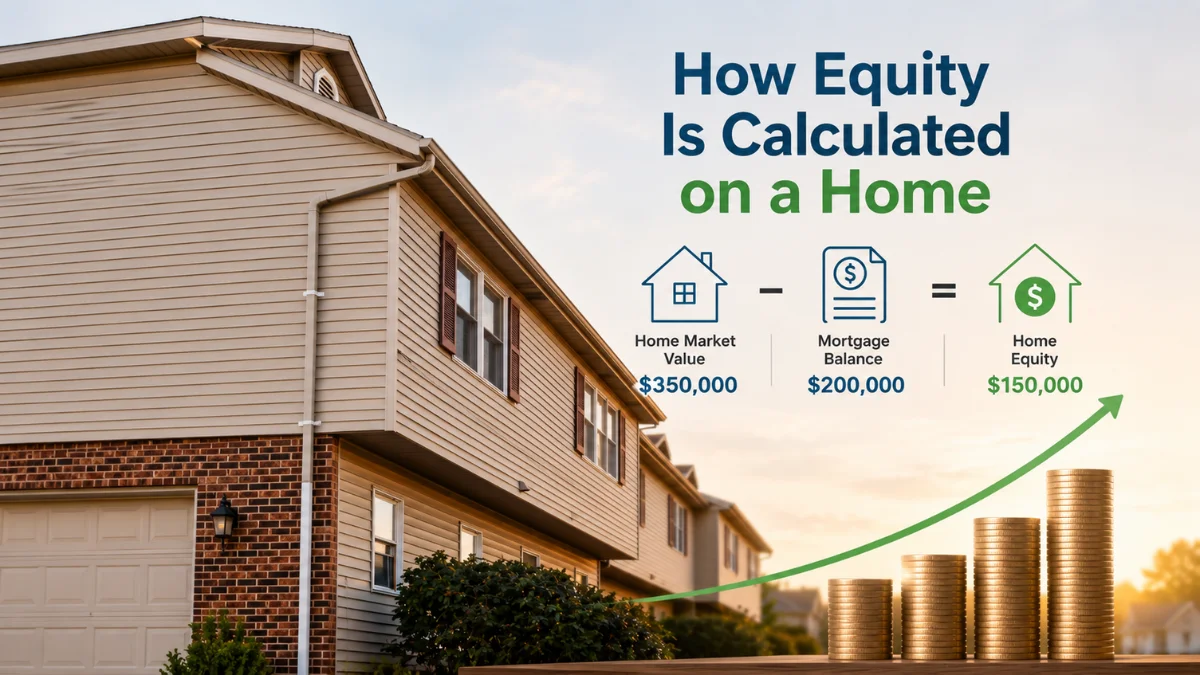
Many homeowners underestimate how much interest they pay as well. In the early years of a mortgage, most payments go toward interest, meaning equity grows slowly.
This is why calculating your long-term payment schedule is essential. Tools like an amortization calculator help you understand how much interest you pay versus principal over time.
The mortgage is predictable, but it’s only one layer of what you truly spend as a homeowner.
Property Taxes Rise Over Time and Can Change Your Monthly Budget
Property taxes are one of the largest ongoing costs of homeownership. These taxes are based on your home’s assessed value, which can increase over time even if your income does not.
Many homeowners are surprised when their escrow payment rises because taxes went up. Over a decade or more, property taxes can cost tens of thousands.
In some areas, taxes rise faster than inflation due to local budget changes or housing market growth. This makes long-term homeownership more expensive than buyers initially expect.
Understanding how property taxes affect your mortgage payment helps you plan for these increases and avoid payment shocks.
Property taxes are also unavoidable, if you don’t pay, you risk losing the home, which makes them one of the most important costs to budget for.
What To Read Next


Homeowners Insurance Can Become More Expensive Every Year
Homeowners insurance is required by lenders, but many buyers assume it stays stable.
In reality, insurance premiums often rise over time due to inflation, higher rebuilding costs, and increased natural disaster risks.
If you live in areas with hurricanes, floods, wildfires, or tornado risks, your insurance can increase dramatically.
Some homeowners also need separate flood insurance or earthquake insurance, which adds another layer of cost.
Since insurance is usually included in escrow, premium increases can raise your monthly payment without warning.
Homeowners should review policies regularly and shop around for better rates.
If you’re estimating your long-term payment, a mortgage calculator with taxes and insurance can provide a more accurate monthly cost than a basic mortgage calculator.
Maintenance and Repairs Are the Hidden Costs That Drain Wealth
The biggest surprise cost for many homeowners is maintenance. Unlike renters, homeowners pay for everything: roof replacement, HVAC repairs, plumbing leaks, appliance failures, pest control, landscaping, and more.
Even newer homes eventually need major repairs. Over 10–20 years, maintenance costs can easily exceed $50,000 depending on the home.
A common rule is budgeting 1% to 3% of your home’s value annually for repairs and upkeep. This means a $400,000 home could require $4,000 to $12,000 per year in maintenance.
If you don’t budget for this, repairs can force you into debt. If you’re planning affordability, using a mortgage affordability calculator helps ensure your payment leaves room for these long-term repair expenses.
HOA Fees and Special Assessments Add Long-Term Financial Pressure
If you buy in a community with a homeowners association, HOA fees can become a major cost over time. HOA fees cover shared amenities like landscaping, pools, security, and road maintenance.
The problem is that HOA fees often increase yearly, and homeowners can face surprise “special assessments” for major repairs.
Condos are especially risky because building repairs can lead to large assessments that cost thousands per homeowner. HOA fees don’t build equity, and they reduce affordability long-term.
Many buyers ignore HOA costs during the buying process and regret it later.
When calculating your total payment, always include HOA fees using a mortgage payment calculator so you see the full monthly impact, not just the loan amount.
Utilities and Energy Costs Add Up More Than Buyers Expect
Utilities are another cost that increases over time. Larger homes cost more to heat, cool, and power.
Homeowners also pay for water, trash, gas, electricity, internet, and sometimes septic or well maintenance. Older homes may be inefficient, leading to higher energy bills.
Energy costs can rise due to inflation and seasonal spikes, especially in extreme climates. Over 10-30 years, utility costs become a major part of homeownership spending.
Many homeowners invest in upgrades like insulation, better windows, or new HVAC systems to reduce bills.
If you plan to upgrade, understanding refinancing for home improvements can help you see whether financing renovations makes sense or if paying cash is better long-term.
Refinancing Can Save Money but Also Adds New Costs
Refinancing can reduce your interest rate, lower your payment, or shorten your loan term, but it also comes with costs.
Homeowners pay appraisal fees, lender fees, title fees, and sometimes points.
If you refinance too often, you may reset your loan term and pay more interest overall, even if your monthly payment drops.
To refinance wisely, you need to compare your potential savings with your closing costs. Looking at current refinance rates and evaluating refinance closing costs helps you understand whether refinancing is worth it.
Homeowners should also calculate break-even timelines using a refinance break-even calculator to ensure savings are real.
Refinancing is a tool, but if done carelessly, it increases long-term cost.
Selling a Home Can Be One of the Biggest Hidden Costs
Many homeowners forget that selling is expensive. Realtor commissions often range around 5% to 6% of the sale price, plus staging, repairs, moving costs, and closing fees.
Even if your home value rises, these costs can reduce profit significantly.
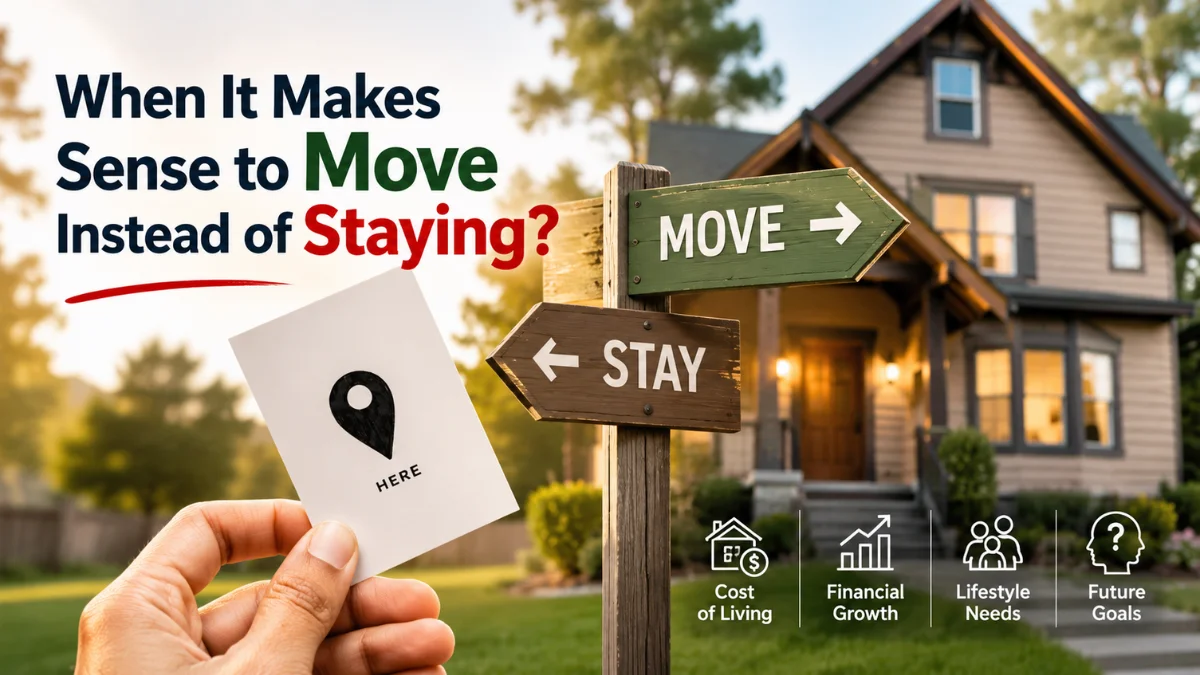
This is why staying longer usually makes homeownership more financially worthwhile. If you sell too soon, you may lose money even in a rising market.
This is especially important for first-time buyers who might move within 3-5 years.
If you’re deciding whether buying is worth it, a rent vs buy calculator can help you compare how long you need to stay for ownership to make financial sense.
Frequently Asked Questions
Conclusion
The true cost of homeownership over time includes far more than your mortgage payment. Property taxes, insurance, maintenance, repairs, utilities, HOA fees, refinancing costs, and selling expenses can add up to a massive amount over 10 to 30 years.
While homeownership can build equity and wealth, it only works when buyers plan for the full cost and avoid stretching their budget too thin.
To calculate real mortgage affordability, explore refinancing strategies, and plan smarter long-term homeownership decisions, visit Mortgage Rates Checker for trusted guidance and powerful tools.