
Homeownership is one of the most common ways people build long-term wealth, especially in the U.S., Canada, and the UK.
While it may not feel like an “investment” at first, owning a home can steadily grow your net worth through equity, appreciation, and financial stability.
Over time, homeowners often gain advantages that renters simply don’t have access to.
The main reason homeownership creates wealth is simple: instead of paying rent forever, you’re paying into an asset you own.
Each payment reduces your loan balance, builds equity, and gives you a chance to benefit from rising home prices.
Over years, this creates long-term financial growth.
Equity Growth Is the #1 Wealth Builder in Homeownership
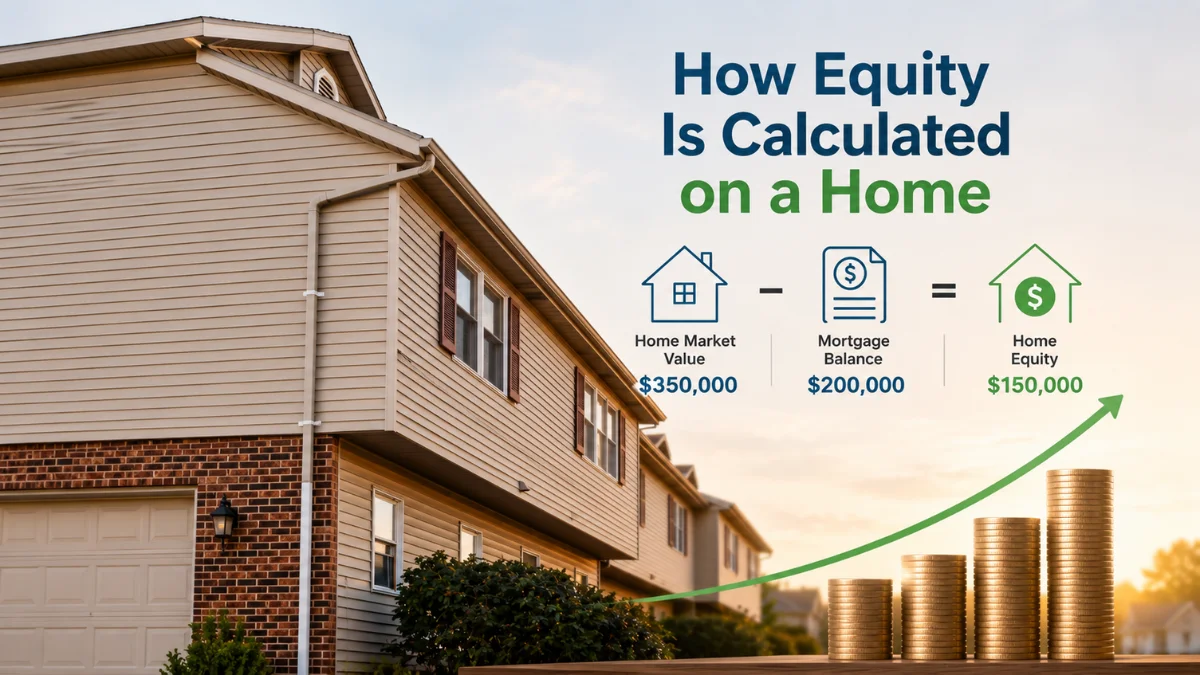
The biggest way homeowners build wealth is through equity. Equity is the difference between what your home is worth and what you still owe on your mortgage.
Every time you make a mortgage payment, a portion goes toward reducing your principal balance. Over time, this increases your ownership stake in the property, even if the home’s value stays the same.
This is why owning a home can feel like “forced savings.” Rent payments are gone forever, but mortgage payments gradually turn into ownership.
Many homeowners later use this equity to buy a larger home, pay off debt, or fund big life goals.
If you want to estimate your future equity growth, using a mortgage calculator can help you understand how principal payoff works year by year.
Equity becomes even more powerful when combined with market appreciation.
Home Value Appreciation Increases Your Net Worth Automatically
Another major advantage is home price appreciation. Historically, real estate tends to rise in value over the long term, especially in stable or growing cities.
Even small annual increases can become significant over 10–20 years. If your home grows in value while your mortgage balance decreases, your wealth increases from both directions at the same time.
This is why many homeowners see their first home as a stepping stone. They buy, live there for several years, build equity, then sell at a profit to upgrade.
Appreciation is also why buyers track rate movements and market shifts closely. Following mortgage rates today can help homeowners understand whether future home demand might rise or slow down.
Appreciation may not be guaranteed short-term, but long-term it’s one of the strongest wealth drivers.
What To Read Next



Mortgage Payments Reduce Debt While Rent Builds Someone Else’s Wealth
When you rent, your monthly payment builds your landlord’s wealth. When you own, your payment slowly reduces your debt and increases your ownership.
This is a key wealth difference that most people only realize after a few years of ownership. Even though mortgage payments include interest, taxes, and insurance, the principal portion builds real financial value.
Over time, your mortgage payment can also become cheaper compared to rent increases. Rent typically rises every year, but a fixed-rate mortgage stays stable.
That means your housing cost becomes more predictable, and your savings potential increases. Homeownership creates a powerful financial structure: a stable payment, an appreciating asset, and decreasing debt.
If you’re unsure whether buying makes sense compared to renting, a rent vs buy calculator can clearly show the long-term difference.
Refinancing Can Increase Wealth by Lowering Interest Costs
Refinancing is another major way homeowners build wealth. If interest rates drop, refinancing can reduce your monthly payment or shorten your loan term.
A lower rate means less money wasted on interest and more money going toward principal. That speeds up equity growth and increases your long-term net worth.
Homeowners who refinance strategically can save tens of thousands over the life of the loan. Tracking current refinance rates and comparing refinance mortgage rates helps you know when refinancing becomes worthwhile.
If you want to calculate whether refinancing is actually profitable, tools like a refinance break-even calculator can show how long it takes to recover closing costs.
Refinancing doesn’t build wealth instantly, but over time it can dramatically improve your financial position.
Cash-Out Equity Can Fund Investments, Education, or Business Growth
One of the biggest financial advantages homeowners have is access to equity. Once you build enough equity, you can use it through a home equity loan, HELOC, or refinancing.
Many homeowners use this equity to fund home improvements, pay off high-interest debt, or invest in other opportunities.
A popular option is cash-out refinance, where you refinance for a larger amount than you owe and take the difference in cash. This can be useful, but it must be used carefully because it increases your loan balance and long-term interest cost.
Understanding cash-out refinance rates and risks is important before using this strategy. Used wisely, equity can help homeowners grow wealth faster than relying only on income. Used poorly, it can turn your home into a debt trap.
Home Improvements Can Increase Property Value and Equity
Homeownership allows you to increase wealth through improvements. Unlike renting, where upgrades benefit the landlord, home upgrades can raise your home’s resale value and build equity.
Renovations like kitchen updates, bathroom upgrades, energy-efficient systems, and better landscaping can make your home worth significantly more.
However, not every upgrade has the same return. Some renovations add value, while others are mainly cosmetic.
Smart homeowners focus on improvements that increase resale demand and reduce long-term maintenance costs.
Many homeowners refinance to fund these upgrades, which is why understanding refinancing for home improvements is valuable.
A well-maintained and upgraded home not only increases comfort but also strengthens your financial future.
Long-Term Stability Creates Financial Freedom and Retirement Strength
Homeownership can also build wealth by creating stability. Once your mortgage is paid off, your housing cost becomes dramatically lower.
Instead of paying rent forever, homeowners can eventually live with only taxes, insurance, and maintenance. This is one reason homeownership is strongly connected to retirement security.
Owning a home later in life often means you have a valuable asset you can sell, downsize, or use for financial flexibility.
Even if you don’t sell, having a paid-off home reduces monthly expenses, freeing income for savings, investing, and lifestyle goals.
Many retirees build wealth simply by holding their property long enough.
If you want to plan your payoff timeline, using an amortization calculator helps you see how quickly your loan balance drops.
Frequently Asked Questions
Conclusion
Homeownership builds wealth over time through equity growth, appreciation, debt reduction, refinancing savings, and the ability to use home value strategically.
While it requires responsibility and long-term thinking, owning a home can be one of the most powerful financial moves a person makes.
The key is buying within your budget, understanding mortgage structure, and making smart refinancing decisions when opportunities appear.
To explore smarter homeownership strategies, compare rates, and estimate your long-term savings, visit Mortgage Rates Checker and plan your financial future with confidence.