Home Loans Are Shaping Long-Term Budget Decisions
Home loans are increasingly influencing long-term budgeting decisions as buyers evaluate how mortgage commitments affect savings, lifestyle spending, and financial security. Borrowers are planning housing costs more carefully to maintain stability throughout years of repayment.

For many households today, a home loan is no longer treated as just another monthly bill, it has become the foundation around which long-term budgets are built.
Buyers are realizing that mortgage commitments often shape financial decisions for decades, influencing everything from savings habits to career flexibility and future investments.
One noticeable shift is how buyers now approach affordability before purchasing. Instead of relying only on lender approval amounts, many families calculate realistic payment comfort levels using a mortgage affordability calculator.
The goal is no longer maximizing borrowing power but ensuring that housing expenses leave room for emergency savings, education costs, and everyday living needs.
Mortgage rate uncertainty has strengthened this cautious budgeting mindset. Borrowers closely track mortgage rates today because even minor rate differences can significantly change lifetime repayment costs.
Buyers increasingly understand that locking into a loan without considering long-term financial impact can restrict future budgeting flexibility.
Another important factor shaping budgets is awareness of ongoing ownership expenses. Property taxes, insurance adjustments, maintenance, and unexpected repairs are now included in planning conversations much earlier.
Lessons shared through guides like hidden home buying costs I forgot to budget have helped buyers recognize that sustainable homeownership depends on preparing for total costs, not just loan payments.
Long-term thinking also extends beyond the initial mortgage structure. Many homeowners plan ahead by learning refinancing strategies through the ultimate guide to refinancing your mortgage, understanding that refinancing later may help rebalance monthly budgets if rates improve or financial goals change.
Financial professionals often observe that buyers who treat mortgages as part of a broader financial strategy experience less stress after moving in. Budgeting around stable payments, maintaining liquidity, and planning future loan adjustments creates stronger financial resilience over time.
Home loans are ultimately redefining how households plan their financial future. Rather than adjusting budgets after buying a home, today’s buyers are building their budgets around sustainable mortgage commitments from the beginning, turning homeownership into a long-term financial strategy instead of a short-term milestone.

Mortgage Calculator
Recommended for You
What Is a Mortgage and How Does It Actually Work?

When Will Mortgage Rates Go Down?

15 Year Mortgage vs 30 Year: Save $160,000+ in Interest
More Mortgage Resources

Buyers Are Comparing Home Loans More Carefully in 2026
In 2026, buyers are comparing home loan options more carefully than ever as mortgage rates, loan terms, and long-term costs play a bigger role in purchasing decisions. Borrowers are focusing on affordability, flexibility, and future financial stability before choosing a mortgage.

More Borrowers Are Considering Mortgage Forbearance – Here’s What’s Driving It
Mortgage forbearance is drawing attention as more homeowners look for ways to manage temporary financial pressure. When monthly housing costs become difficult to handle, borrowers may consider mortgage forbearance as a short-term option to pause or reduce payments while they work toward restoring financial stability.

When Mortgage Payments Become Overwhelming, Some Borrowers Turn to Mortgage Forbearance
Mortgage forbearance is a temporary relief option that allows homeowners to pause or reduce mortgage payments during financial hardship. When monthly housing costs become difficult to manage, some borrowers begin exploring mortgage forbearance as a way to stabilize their finances and avoid falling behind on their home loan.
Related Content

How Mortgage Rates Work (Simple Explanation for First-Time Buyers)
-
What Causes Mortgage Rates to Go Up or Down?
-
Should First-Time Buyers Lock Their Mortgage Rate?
-
How to Get the Best Mortgage Rate as a First-Time Buyer
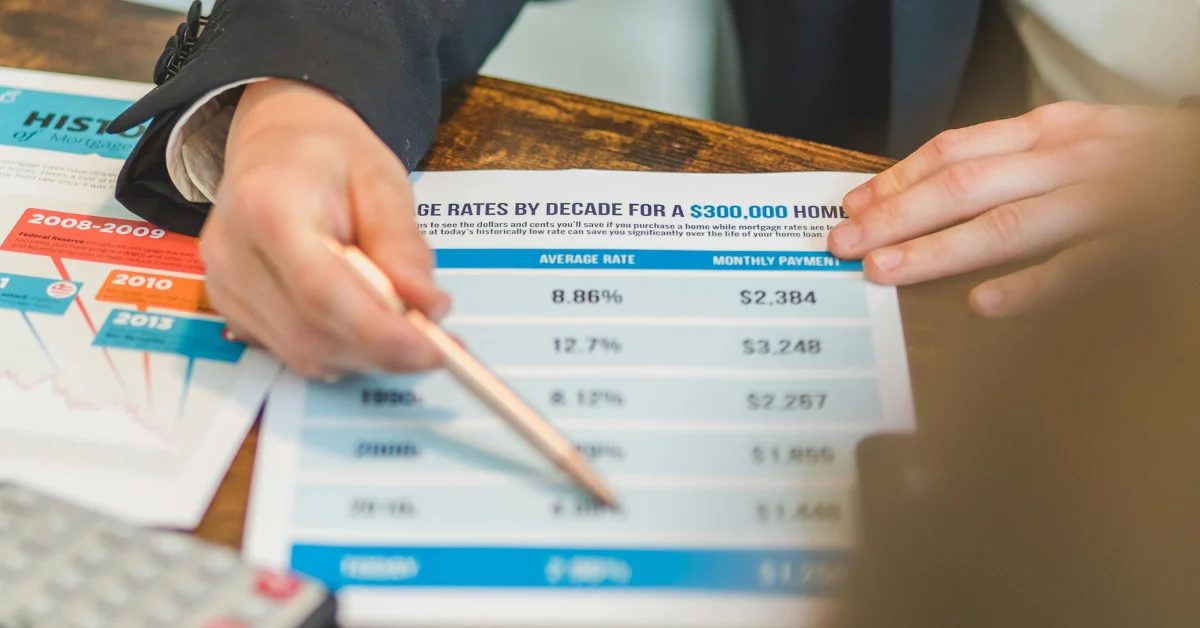




15 Year Refinance Rates: Faster Payoff vs Higher Payments
-
15 Year Refinance Rates: Is It Worth Switching?
-
Best 15 Year Mortgage Rates Right Now
-
Best Refinance Mortgage Rates Right Now