How Escrow Works (Explained for First-Time Buyers)
Escrow is one of the most confusing parts of buying a home, especially for first-time buyers.It shows up in closing..

Escrow is one of the most confusing parts of buying a home, especially for first-time buyers.
It shows up in closing documents, monthly payments, and tax bills, yet few lenders clearly explain it.
Once you understand what escrow does and why it exists, it becomes less intimidating and actually reassuring.
Escrow is an account managed by your lender to collect and pay property taxes and homeowners insurance on your behalf. You pay into it monthly, and the lender uses those funds to pay large bills when they’re due.
What Escrow Means in a Mortgage
In a mortgage, escrow is a holding account set up by your lender to manage certain home-related expenses.
Each month, part of your mortgage payment goes into escrow.
When property taxes or insurance premiums are due, the lender pays them from this account.
This protects both you and the lender, your home stays insured, taxes stay current, and there’s less risk of costly lapses.
Many buyers first encounter escrow while reviewing closing costs explained, which is why it often feels overwhelming at first.
What Expenses Escrow Covers
Escrow typically covers property taxes and homeowners insurance. In some cases, it may also include flood insurance or mortgage insurance.
It does not usually cover utilities, HOA dues, or maintenance costs.
At closing, lenders often collect an initial escrow deposit to ensure enough funds are available. From there, monthly contributions keep the account funded.
Understanding these components helps buyers accurately estimate payments using mortgage payment calculators rather than guessing.
Why Lenders Require Escrow Accounts
Lenders require escrow because unpaid taxes or canceled insurance put the loan at risk.
If taxes go unpaid, the government can place a lien on the property.
If insurance lapses, damage could leave the home unrepairable. Escrow minimizes these risks.
Some buyers can opt out later if they have sufficient equity and strong credit, but most first-time buyers benefit from escrow’s simplicity and protection.
This requirement often becomes clearer after learning what happens after approval.
How Escrow Affects Your Monthly Payment
Your total monthly payment includes principal, interest, and escrow contributions, often called PITI.
Escrow makes your payment higher than just the loan amount alone, which surprises many new buyers.
However, it also prevents large, unexpected annual bills. Escrow amounts can change yearly if taxes or insurance increase.
Buyers who planned using what monthly payment is safe usually feel more prepared when escrow adjustments happen.
Escrow Analysis and Annual Adjustments
Once a year, lenders perform an escrow analysis. They review how much was collected versus how much was paid. If there’s a shortage, your monthly payment may increase.
If there’s a surplus, you may receive a refund or a lower payment. These changes are normal and don’t mean your lender made a mistake.
Understanding this process helps buyers avoid panic when payments change slightly from year to year.
Conclusion
Escrow isn’t a hidden fee or lender trick, it’s a budgeting tool designed to protect homeowners and lenders alike.
For first-time buyers, escrow simplifies homeownership by turning large annual bills into predictable monthly payments.
Once you understand how it works, escrow becomes one less thing to worry about.
Frequently Asked Questions
Mortgage Calculator
Recommended Mortgage Tools
Refinance Break-Even Calculator
See how long it takes to recover refinance costs.
Debt-to-Income Ratio Calculator
Check if your income supports mortgage approval.
Refinance Readiness Checker
Find out if now is the right time to refinance.
Mortgage Eligibility Checker
Quickly see if you qualify for a home loan.
First-Time Buyer Readiness
Know if you're ready to buy your first home.
Mortgage Pre-Approval Calculator
Estimate how much you can borrow instantly.
Next Read
Featured Mortgage Insights
The average mortgage length for first-time buyers is usually 30 years, but most don’t keep the loan that long. Many refinance or move within 10 to 12 years.

Featured Mortgage Insights
Most people don’t keep their 30-year mortgage. On average, homeowners stay in a loan for about 10 to 12 years due to refinancing, moving, or upgrading homes.
Featured Mortgage Insights
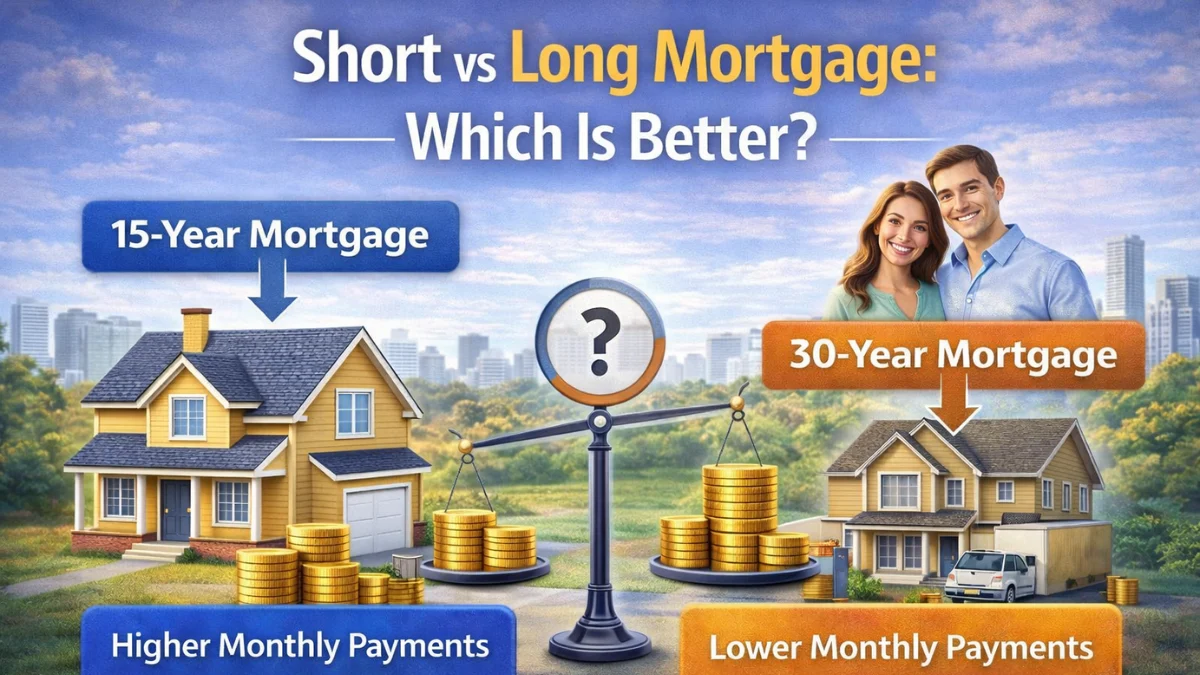
Short mortgages save interest and build equity faster, while long mortgages offer lower monthly payments and flexibility. The best option depends on your budget, goals, and financial stability.


About the Author: Ratiranjan Singha

Don’t Miss These

Home Loans Explained: Types, Rates & How They Work

Refinancing Your Mortgage: Rates, Costs & Smart Tips