Many people dream of exploring new destinations but hesitate because they think travel is always expensive.
The good news is that with careful planning and smart financial decisions, it’s entirely possible to travel on a budget without compromising on fun or comfort.
Whether you’re planning a weekend getaway or an international vacation, knowing where to save and where to spend can make a huge difference.
By following proven cheap travel tips and budgeting wisely, you can enjoy more trips while keeping your finances healthy.
Affordable travel isn’t about avoiding vacations, it’s about spending smarter.
A few simple habits before and during your trip can significantly lower your travel expenses while allowing you to enjoy everything your destination has to offer.
Plan Your Budget Before Booking Anything
The first step in learning how to travel on a budget is setting a realistic travel budget before making reservations. Calculate expected costs for flights, accommodation, food, transportation, attractions, and emergency expenses.
Knowing your spending limit helps you avoid impulsive decisions later.
Using a simple budget plan also makes it easier to compare destinations and choose one that matches your financial goals instead of stretching your budget.
Book Flights Early and Stay Flexible
Flights often represent the largest part of any vacation budget. Booking airline tickets several weeks or months in advance usually provides better prices than waiting until the last minute.
Being flexible with travel dates, airports, and flight times can also help you find cheaper fares. Midweek departures and off-season travel frequently offer significant savings, making affordable travel much easier without reducing the quality of your trip.
Choose Budget-Friendly Accommodation
Accommodation can quickly become one of your biggest travel expenses. Instead of automatically booking luxury hotels, compare vacation rentals, guesthouses, hostels, or budget hotels.
Staying slightly outside major tourist areas may also reduce costs while still offering convenient transportation.
Reading reviews carefully helps you find affordable accommodations that provide good value without compromising safety or comfort.
Save Money on Food Without Missing Local Experiences
Dining out for every meal can dramatically increase your vacation budget.
A smart approach is to mix restaurant meals with affordable alternatives such as local markets, grocery stores, or accommodations that include breakfast.
Trying authentic street food where it’s safe and popular often costs less while providing a unique cultural experience. Setting a daily food budget also helps control travel spending throughout your trip.
Worth Reading Next




Use Travel Deals, Rewards, and Discounts
Many travelers overlook valuable opportunities to reduce expenses. Travel rewards credit cards, airline loyalty programs, hotel memberships, cashback offers, and seasonal promotions can significantly lower costs.
Before booking, compare prices across multiple travel websites and check for discount codes. Even small savings on flights, hotels, or attractions can add up and leave you with more money to enjoy your destination.
Avoid Common Budget Travel Mistakes
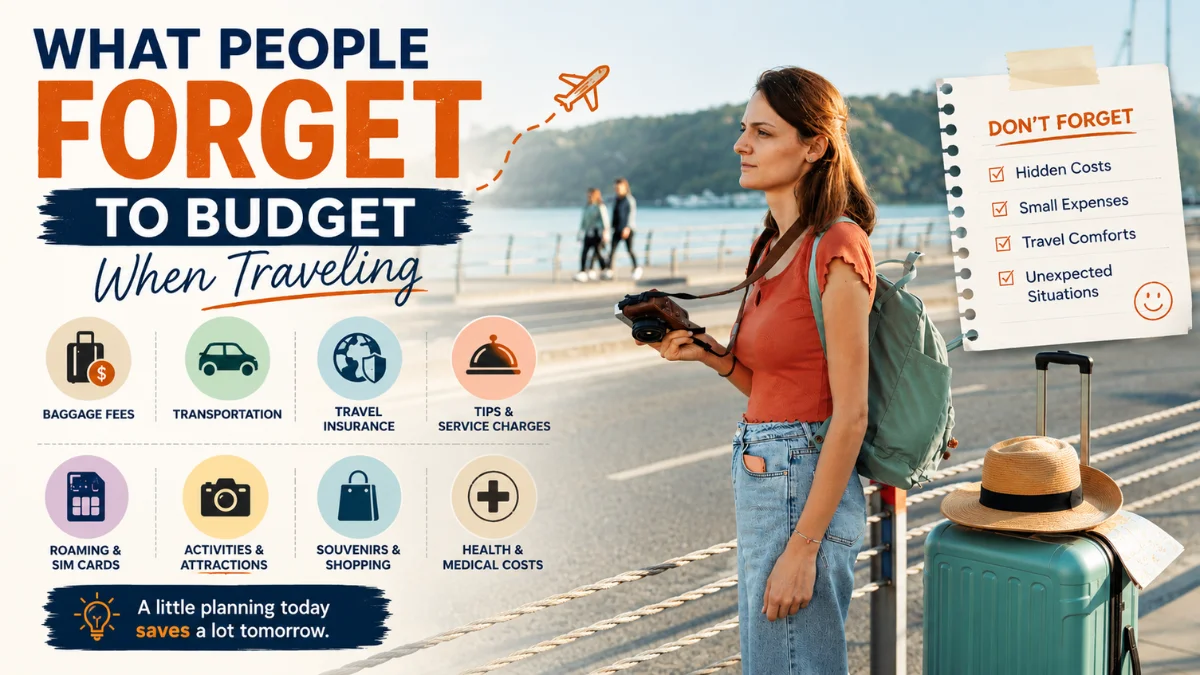
Many people overspend because they underestimate hidden travel costs such as baggage fees, airport transportation, resort fees, roaming charges, or travel insurance.
Creating a complete travel budget prevents these expenses from catching you off guard.
It’s also wise to avoid exchanging currency at airports, where exchange rates are often less favorable than local banks or reputable exchange services.
Build an Emergency Travel Fund
Even the best travel plans can encounter unexpected situations such as delayed flights, medical emergencies, or lost luggage.
Setting aside a dedicated emergency fund before your trip provides peace of mind and prevents financial stress. If you’re estimating overall travel costs, using a Loan Calculator can help you understand repayment amounts before borrowing.
If financing is necessary, reviewing a Personal Loan Calculator can help you determine whether monthly payments fit comfortably within your budget.
Spend on Experiences, Not Unnecessary Purchases
One of the easiest ways to travel for less is by focusing your money on experiences rather than impulse shopping. Souvenirs, expensive gifts, and unnecessary purchases often consume a large portion of a travel budget.
Prioritize memorable activities, local culture, and attractions instead. You’ll return home with meaningful memories while keeping your overall vacation expenses under control.
Conclusion
Learning how to travel on a budget doesn’t mean giving up comfort or memorable experiences. It simply means planning carefully, comparing prices, avoiding unnecessary expenses, and making smarter financial decisions.
By booking early, choosing affordable accommodations, controlling daily spending, and preparing for unexpected costs, you can enjoy incredible trips without going broke.
Budget travel is about maximizing experiences while protecting your financial future, allowing you to explore more destinations with confidence.