Personal Loan Repayment Guide: How It Actually Works

Taking a personal loan is easy, but managing repayment is where most borrowers struggle.
Understanding how repayment works can save you money, reduce stress, and help you avoid costly mistakes.
This guide explains everything in simple terms so you stay in control of your loan.
What Is Personal Loan Repayment?
Personal loan repayment is the process of paying back your loan through monthly installments over a fixed period.
Each EMI includes both principal (the borrowed amount) and interest (the cost of borrowing).
The structure is designed so that you gradually reduce your loan balance over time.
If you’re new to loans, understanding how personal loans work in real scenarios will help you see how repayment fits into the overall borrowing process.
How EMI Works in Loan Repayment
Your EMI (Equated Monthly Installment) is calculated based on your loan amount, interest rate, and tenure. It remains fixed throughout the loan period in most cases.
In the early months, a larger portion of your EMI goes toward interest, while later payments focus more on reducing the principal.
This is why early repayment can significantly reduce your total interest. Using a calculator to understand your monthly payment structure can help you plan better.
Principal vs Interest Breakdown
Every EMI you pay is divided into two parts, principal and interest. Initially, interest takes up a larger share because it is calculated on the outstanding loan amount.
As your loan balance decreases, the interest portion reduces and the principal portion increases.
Understanding this breakdown helps you make smarter decisions about prepayments and interest savings.
Loan Tenure and Its Impact on Repayment
Loan tenure plays a major role in determining your EMI and total interest.
A longer tenure reduces your monthly payment but increases your total interest cost.
On the other hand, a shorter tenure increases EMI but reduces overall interest.
Choosing the right balance is important for both affordability and cost efficiency.
How Prepayment and Foreclosure Work
Prepayment allows you to pay extra toward your loan before the scheduled EMI.
This reduces your principal faster and lowers total interest.
Foreclosure means closing your loan completely before the tenure ends. While some lenders may charge a fee, the interest savings often outweigh the cost.
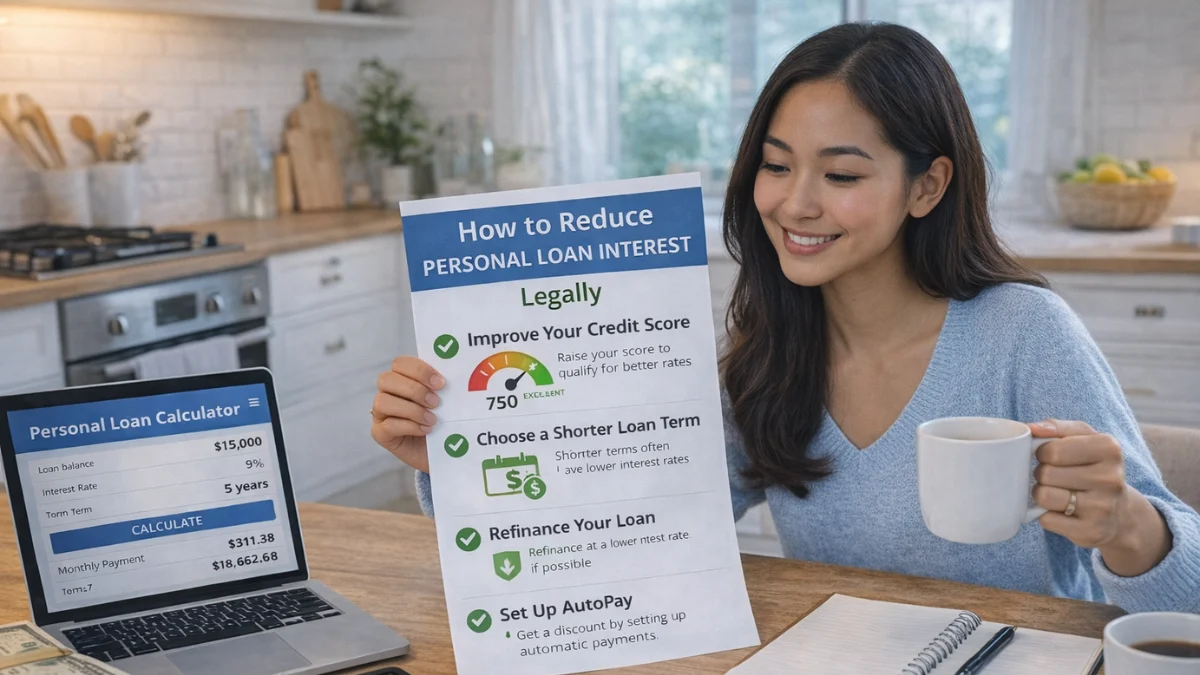
Learning how to reduce loan interest legally can help you take full advantage of these options.
What Happens If You Miss an EMI?
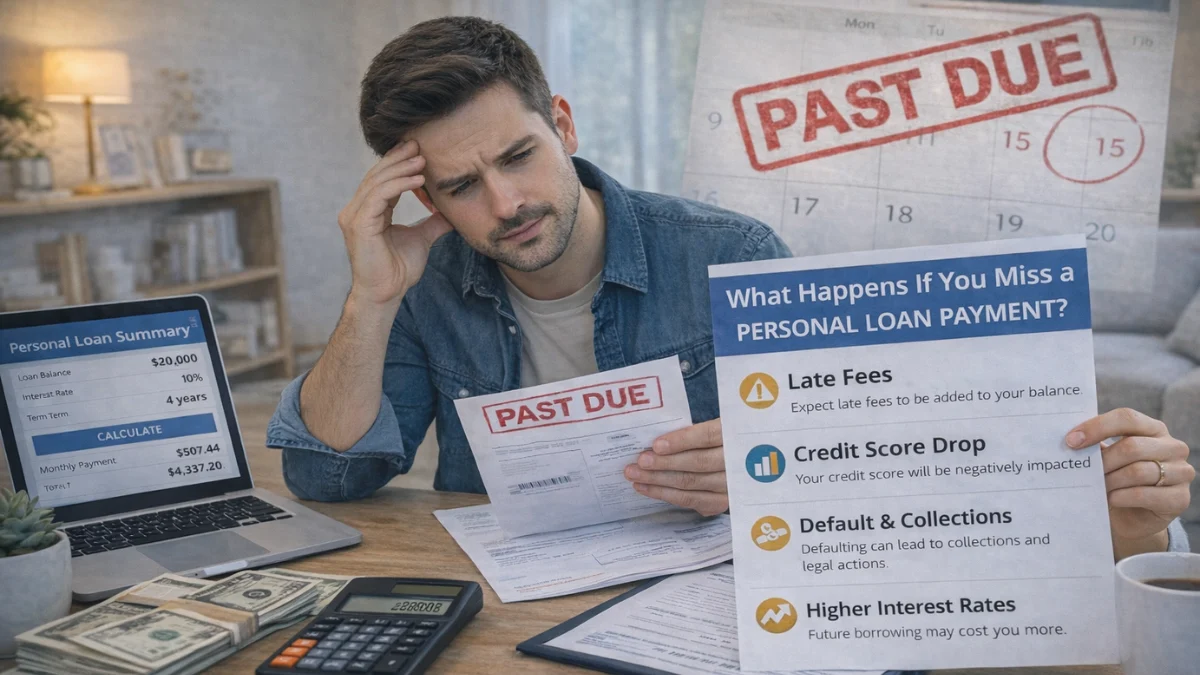
Missing an EMI can have serious consequences. You may face late payment penalties, increased interest, and a negative impact on your credit score.
Repeated missed payments can lead to default, which affects your financial credibility.
Understanding what happens when you miss a loan payment can help you stay disciplined and avoid long-term damage.
How to Manage Repayment Efficiently
Managing your loan effectively requires planning and discipline. You should always choose an EMI that fits comfortably within your budget.
Tracking your payments, setting reminders, and making extra payments when possible can improve your repayment experience.
If you’re unsure about affordability, reviewing loan eligibility factors can help you align your loan with your financial capacity.
Common Repayment Mistakes to Avoid
Many borrowers make mistakes like choosing long tenures without understanding the cost, skipping payments, or not taking advantage of prepayment options.
These mistakes can increase your total loan cost significantly.
Learning about common borrowing mistakes can help you avoid these issues and manage your loan more effectively.
Why Understanding Repayment Is Important
Repayment is the most critical part of a personal loan. A well-planned repayment strategy can save you money and improve your financial health.
By understanding how EMIs, interest, and tenure work together, you can make better decisions and avoid unnecessary costs.
This becomes even more powerful when combined with insights from personal loan strategies and interest-saving techniques.
Frequently Asked Questions
Conclusion
Understanding how personal loan repayment works is essential for managing your finances effectively.
It helps you reduce interest, avoid penalties, and stay in control of your loan.
Before taking a loan, always plan your repayment strategy carefully and choose terms that suit your financial situation.
For a complete understanding of borrowing, approval, and cost-saving strategies, explore the full guide on how personal loans really work and how to pay less interest to make smarter financial decisions.

I create mortgage calculators and simple guides for Mortgage Rates Checker, helping users understand mortgage rates, refinancing, and home loan affordability. Content is for educational purposes only and not financial advice.