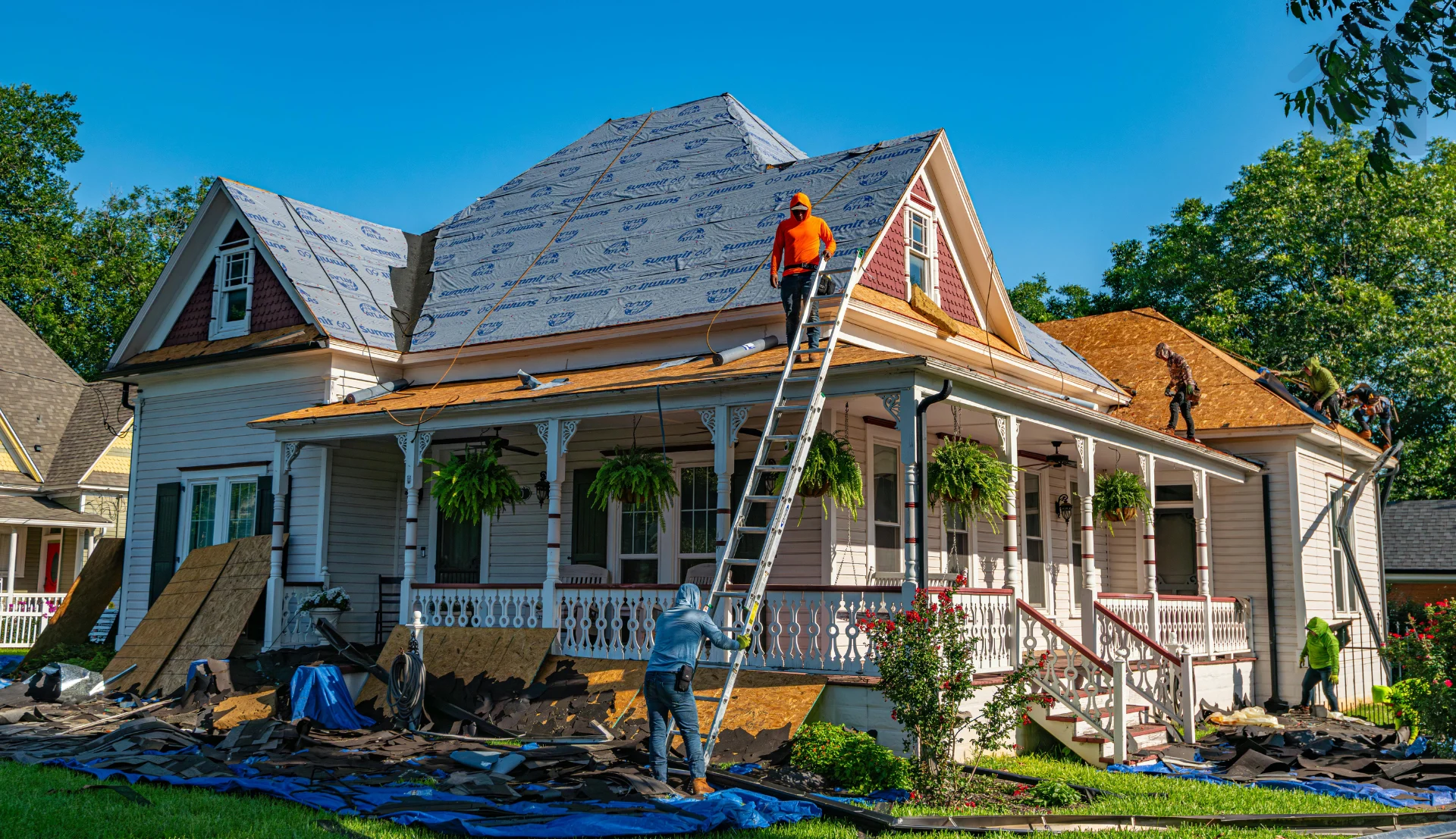
Planning a kitchen renovation, adding another room, replacing an old roof, or upgrading your home’s energy efficiency can require a substantial amount of money. If you have built up equity in your property, refinancing your mortgage may provide access to the funds you need.
A cash-out refinance allows you to replace your existing mortgage with a larger loan and receive part of the difference in cash. You can use the proceeds for eligible home improvements, but the decision deserves careful consideration. Refinancing affects your entire mortgage, not just the additional money you borrow.
Before choosing this option, compare the new interest rate, closing costs, repayment period, and potential benefits of the renovation. Sometimes refinancing makes sense, but a home equity loan or HELOC may be a better way to finance the project.
How Does Refinancing for Home Improvements Work?
Homeowners generally use a cash-out refinance to access equity for renovations. The lender replaces the existing mortgage with a larger loan, pays off the original mortgage, and provides the remaining eligible proceeds after closing costs and deductions.
For example, suppose your home is worth $400,000 and your outstanding mortgage balance is $240,000. You qualify for a new $290,000 mortgage. After paying off the original balance, approximately $50,000 remains before closing costs and other deductions.
You can use the available funds for projects such as remodeling a kitchen, renovating bathrooms, replacing windows, repairing a roof, or adding living space.
However, the new mortgage balance is now larger. You must repay the additional borrowing with interest, and your monthly payment may increase depending on the new loan terms.
You can estimate your potential borrowing amount using our cash-out refinance calculator.
When Is Refinancing for Home Improvements Worth It?
Refinancing may be worth considering when the new mortgage terms are competitive and the renovation addresses an important need or improves the property’s long-term usefulness.
For example, if your current mortgage has a relatively high interest rate, refinancing may allow you to improve the loan terms while accessing additional money for renovations. The transaction may be more attractive if the new interest rate, repayment period, and total borrowing costs fit your financial plans.
It can also make sense when you need a substantial amount for a major project and prefer one mortgage rather than managing multiple loans.
Necessary improvements deserve particular attention. Fixing structural problems, replacing a failing roof, repairing plumbing, or addressing electrical issues may protect the property from more expensive damage later.
However, do not assume every renovation increases your home’s value by the full amount spent. The financial return depends on the project, local housing market, quality of work, and buyer demand.
When Is Refinancing for Renovations Not Worth It?
The biggest reason to avoid refinancing may be your existing mortgage rate. If you currently have a low fixed interest rate, replacing the entire mortgage with a higher-rate loan just to access renovation funds could make borrowing significantly more expensive.
For example, imagine you have a $250,000 mortgage at 3.5% and need $40,000 for improvements. If refinancing means replacing the entire balance with a new mortgage at 6.5%, the higher rate applies to the full new mortgage, not just the additional $40,000.
In this situation, a home equity loan or HELOC may be worth comparing because it can allow you to keep your existing first mortgage.
Refinancing may also be unsuitable if you plan to sell the property soon, cannot comfortably afford the new payment, or are borrowing for cosmetic improvements that may not provide enough financial value to justify the costs.
Cash-Out Refinance vs Home Equity Loan vs HELOC
A cash-out refinance is not the only way to finance home improvements. Each borrowing option has different costs and repayment structures.
A cash-out refinance replaces your existing mortgage with a larger one. It may be suitable when the new mortgage terms are favorable and you need a substantial amount of money.
A home equity loan provides a separate lump sum secured by your property. You generally keep your original mortgage and make an additional payment on the new loan. Many home equity loans have fixed interest rates, although terms vary.
A home equity line of credit, or HELOC, provides access to a revolving credit line. You can borrow as needed up to the approved limit, making it useful for renovations completed in stages. HELOCs commonly have variable interest rates, and payment arrangements depend on the lender’s terms.
If your current mortgage has a favorable rate, compare these alternatives before replacing it. Our refinance vs HELOC comparison explains the differences.
What Costs Should You Consider Before Refinancing?
Refinancing involves more than the additional cash you receive. You may have to pay lender fees, appraisal charges, title services, recording fees, and other closing expenses.
You should also consider discount points, prepaid expenses, and any mortgage-related fees that apply to your loan program. Some eligible costs may be financed into the new mortgage, but doing so increases your balance and the interest you pay.
Compare the new interest rate and APR, monthly principal-and-interest payment, total loan amount, and repayment term. A lower monthly payment does not necessarily mean a cheaper mortgage if you are extending repayment over many additional years.
Use our refinance break-even calculator to estimate how long it may take to recover the costs of refinancing.
Will Home Improvements Increase Your Property Value?
Some renovations can improve a home’s appeal, functionality, and marketability, but not every project delivers the same financial return.
Kitchen and bathroom upgrades, improved energy efficiency, additional living space, and necessary repairs may make a property more attractive to potential buyers. However, the return depends on the local market, renovation quality, property condition, and the preferences of buyers in your area.
Avoid assuming that spending $30,000 on renovations will automatically increase your home’s value by $30,000 or more.
If you are renovating primarily to sell the property, research comparable homes in your neighborhood and discuss realistic improvement priorities with a local real estate professional. If you plan to stay for many years, consider the personal benefits of improved comfort and functionality alongside potential resale value.
How to Decide Whether Refinancing Is the Right Choice
Start by estimating the total renovation budget, including labor, materials, permits, and a contingency for unexpected expenses. Then determine how much equity you can reasonably access and whether the new mortgage would remain affordable.
Compare the proposed refinance with your current mortgage and alternative borrowing options. Pay attention to the total cost of financing, not just the cash you receive or the monthly payment.
You should also consider your future plans. If you expect to remain in the home for many years, a renovation may provide lasting value. If you may move soon, the costs of refinancing and the limited time to benefit from the improvements could make another financing option more appropriate.
Final Thoughts
Refinancing for home improvements can provide substantial funds for necessary repairs, upgrades, and renovations. However, replacing your entire mortgage may not be worthwhile if you already have a favorable interest rate or only need a relatively small amount.
Compare cash-out refinancing with home equity loans and HELOC before making a decision. The best financing option is the one that supports your renovation goals without creating unnecessary mortgage costs or putting your long-term financial stability at risk.