Refinance House to Pay Off Debt: What to Know?
Refinancing your house to pay off debt can feel like the fastest way out of financial stress. High-interest credit..
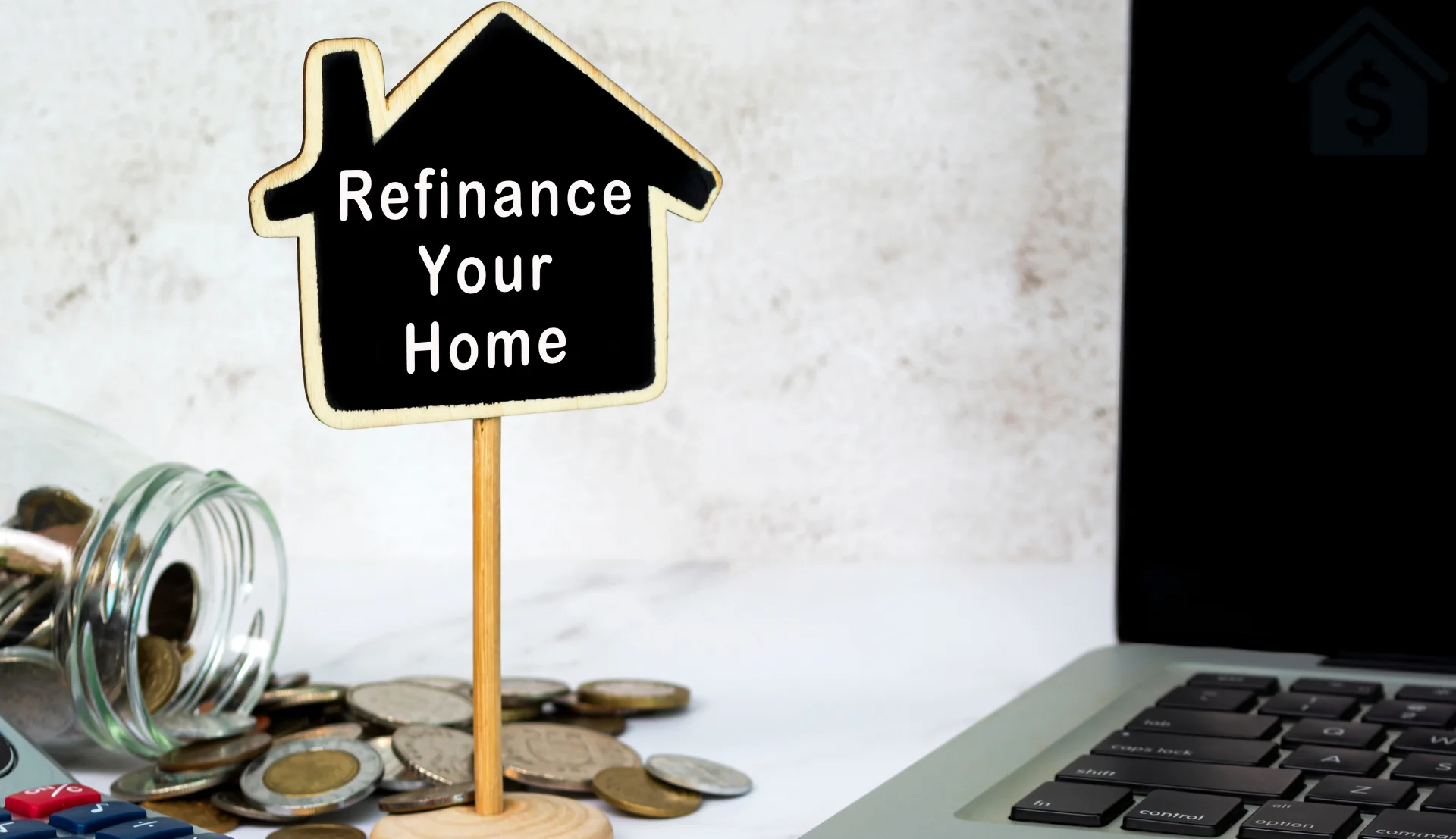
Refinancing your house to pay off debt can feel like the fastest way out of financial stress.
High-interest credit cards, personal loans, or medical bills start to pile up, and the idea of rolling everything into a lower-interest mortgage sounds like relief.
Sometimes it is the right move. Other times, it quietly turns short-term debt into a long-term burden tied to your home.
The key is understanding exactly what changes when you refinance your house for debt payoff and what risks you’re taking on in the process.
How Refinancing a House to Pay Off Debt Works
Most homeowners refinance to pay off debt using a cash-out refinance. This means replacing your current mortgage with a larger one and using the extra cash to pay off existing debts.
It’s a form of refinancing your mortgage, but instead of focusing on rate savings, the main goal is debt consolidation.
The appeal is simple: mortgage interest rates are usually much lower than credit card or personal loan rates.
The trade-off is that unsecured debt becomes secured by your home, which raises the stakes significantly.
Why Homeowners Consider This Strategy
Lower Interest Rates
Mortgage rates are typically far below rates on credit cards or unsecured loans.
When homeowners compare cash-out refinance rates to 20%+ credit card APRs, the interest savings can look dramatic.
Simplifying Multiple Payments
Rolling several debts into one mortgage payment can make budgeting easier and reduce financial stress.
Many people underestimate how much mental relief comes from fewer due dates and bills.
When Refinancing to Pay Off Debt Can Make Sense
Refinancing your house for debt payoff can be a smart move under the right conditions.
You’re Paying Very High-Interest Debt
If most of your debt is high-interest and you’ve struggled to make progress, refinancing can significantly reduce monthly interest costs.
This scenario often shows up in discussions around mortgage cash-out refinance risks and benefits, because the math can work in your favor.
You Have Stable Income and a Clear Plan
This strategy works best when your income is steady and you’re committed to not rebuilding debt.
Refinancing should be a reset, not permission to spend again.
When Refinancing Your House to Pay Off Debt Is Risky
This approach becomes dangerous when it hides problems instead of solving them.
You’re Turning Short-Term Debt Into Long-Term Debt
Credit card debt is expensive, but it’s also short-term. Refinancing spreads that debt over 15–30 years. Even with a lower rate, you could pay more total interest unless you plan to pay the mortgage down faster.
You’re Resetting a Very Low Mortgage Rate
If your current mortgage rate is much lower than today’s rates, refinancing could increase your interest costs overall.
Always compare mortgage refinance rates against your existing loan before assuming refinancing saves money.
Refinance vs Other Debt-Payoff Options
Refinancing isn’t the only way to handle debt and sometimes it’s not the best one.
Refinance vs Home Equity Loan
A home equity loan lets you keep your original mortgage and add a second loan for debt payoff.
In some cases, comparing refinance vs home equity loan options shows that preserving a low first-mortgage rate saves more money long term.
Refinance vs HELOC
HELOCs offer flexibility and short-term access to funds but usually come with variable rates.
Homeowners comparing refinance vs HELOC often decide based on whether they want predictable payments or temporary access to cash.
What Lenders Look At When You Refinance for Debt
Lenders don’t care what debts you’re paying off, they care whether you can afford the new loan. They typically evaluate:
- Credit score and recent payment history
- Debt-to-income ratio (after refinancing)
- Available home equity
- Income stability
Understanding what lenders look at for refinance approval can help you determine whether refinancing will actually improve your situation or just shift numbers around.
How to Decide If Refinancing Your House Is the Right Move
Before refinancing, ask yourself:
- Will this lower my total interest cost, not just my monthly payment?
- Am I committed to not taking on new debt afterward?
- Does my budget still work if income drops temporarily?
- How long will it take to break even on closing costs?
Running realistic scenarios with a refinance calculator can help reveal whether the savings are real or just temporary relief.
Conclusion
Refinancing your house to pay off debt can be a powerful financial reset or a costly mistake depending on how it’s used. It works best when it replaces high-interest debt, improves cash flow, and is paired with disciplined financial habits.
It becomes risky when it stretches short-term debt over decades, resets a great mortgage rate, or ignores the behavior that caused the debt in the first place.
The smartest refinances are intentional, numbers-driven, and focused on long-term stability not just quick relief.
Mortgage Calculator
Recommended Mortgage Tools
Refinance Break-Even Calculator
See how long it takes to recover refinance costs.
Debt-to-Income Ratio Calculator
Check if your income supports mortgage approval.
Refinance Readiness Checker
Find out if now is the right time to refinance.
Mortgage Eligibility Checker
Quickly see if you qualify for a home loan.
First-Time Buyer Readiness
Know if you're ready to buy your first home.
Mortgage Pre-Approval Calculator
Estimate how much you can borrow instantly.
Next Read
Featured Mortgage Insights
Rising home loan costs and changing mortgage rates are influencing how buyers approach homeownership decisions. Instead of rushing purchases, many borrowers are becoming more financially cautious, focusing on affordability, long-term payments, and loan stability before committing to a property.

Featured Mortgage Insights
Home loans are increasingly shaping long-term financial stability decisions as buyers carefully evaluate affordability, repayment risks, and future flexibility before purchasing. Instead of borrowing maximum approval amounts, many homeowners now prioritize sustainable mortgage planning and long-term financial security.
Featured Mortgage Insights
Home loans are increasingly influencing how buyers define their homeownership goals in 2026. Instead of rushing into purchases, borrowers are aligning mortgage decisions with affordability, long-term stability, and future financial flexibility as changing rates and housing costs reshape buying priorities.



About the Author: Ratiranjan Singha

Don’t Miss These