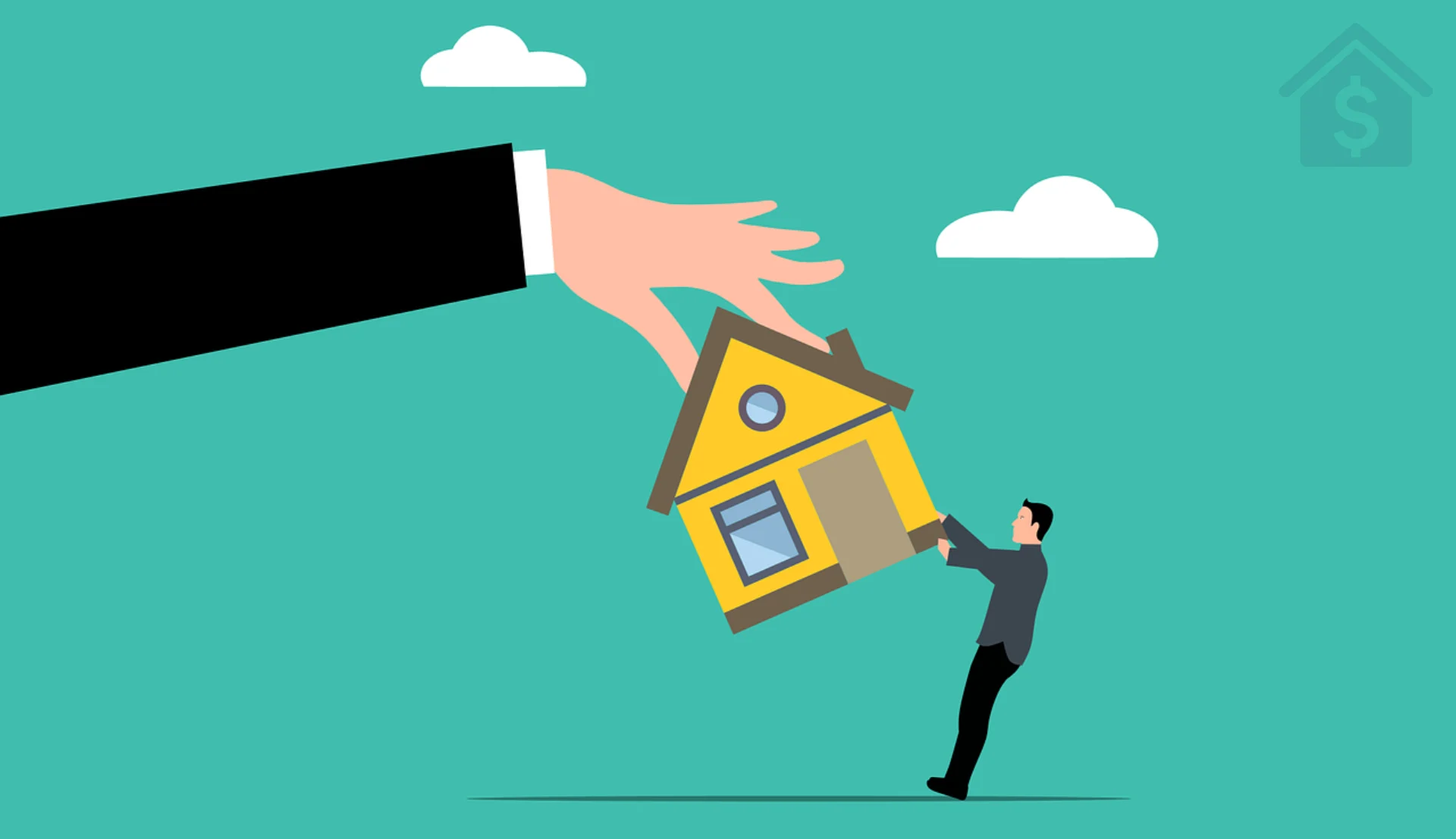
When credit card balances, personal loans, and other monthly payments become difficult to manage, refinancing your mortgage may seem like a practical solution. A cash-out refinance allows you to use part of your home’s equity to pay off existing debts and combine those obligations into a new mortgage.
The attraction is understandable: one mortgage payment may be easier to manage than several bills, and the new mortgage rate could be lower than the interest rates on your existing debts. However, a lower monthly payment does not automatically mean you are saving money.
You may be extending repayment over many years and converting unsecured balances into debt secured by your home. Before using refinancing to pay off debt, compare the total cost, the new loan terms, and the risks involved.
How Does Refinancing to Pay Off Debt Work?
Most homeowners use a cash-out refinance when they want to pay off credit cards, personal loans, or other debts with home equity. The lender replaces the existing mortgage with a larger loan, pays off the old mortgage, and makes the remaining eligible proceeds available to the borrower.
For example, imagine you owe $200,000 on your current mortgage and have $25,000 in credit card and personal loan balances. If you qualify for a new mortgage that provides enough additional proceeds, you could use part of the cash to pay off those debts.
The new mortgage would cover the old mortgage balance, the amount borrowed for debt repayment, and potentially eligible financed costs. You would then make payments on the new mortgage rather than continuing to pay those individual balances.
The important distinction is that your debts have not disappeared. They have been moved into a new loan, and the repayment obligation is now secured by your home.
When Can Refinancing to Pay Off Debt Make Financial Sense?
Refinancing may be worth evaluating when the existing debts carry high interest rates and the new loan provides a genuine reduction in total borrowing costs after fees.
You Have High-Interest Credit Card Debt
Credit cards can carry substantially higher interest rates than mortgages. If you have large balances and are paying significant interest each month, using home equity could potentially reduce the interest rate applied to that portion of your debt.
However, compare the total cost rather than simply looking at the difference between the rates. A mortgage may spread repayment over 15 or 30 years, while credit card debt could otherwise be paid off much sooner with a structured repayment plan.
Also consider the risk of accumulating new credit card balances after paying off the old ones. If spending habits do not change, you could end up with a larger mortgage and new credit card debt at the same time.
Multiple Monthly Payments Are Straining Your Budget
Managing several credit cards and personal loans can make budgeting complicated. Consolidating balances into a mortgage may simplify the number of payments you manage each month.
That convenience can help with cash flow, but it does not necessarily reduce the amount you owe. Check whether the new mortgage payment is affordable alongside property taxes, homeowners insurance, utilities, and other household expenses.
The New Loan Offers a Lower Overall Borrowing Cost
A lower interest rate is useful only when the full transaction makes financial sense. Include refinancing fees, the new loan term, the amount of debt being consolidated, and the interest you would otherwise pay on your existing balances.
If you are replacing a low-rate mortgage with a higher-rate loan, the cost of refinancing the entire mortgage balance may outweigh the savings from paying off high-interest debt.
The Hidden Risks of Using Your Mortgage to Pay Off Debt
Debt consolidation through refinancing can create long-term consequences that are easy to overlook when focusing on immediate monthly savings.
You Turn Unsecured Debt Into Debt Secured by Your Home
This is one of the most important risks. Credit card debt is generally unsecured, meaning it is not directly backed by your house. A mortgage, however, is secured by the property.
When you use mortgage proceeds to pay off unsecured balances, you move that debt into a loan backed by your home. If you cannot keep up with the new mortgage payments, you could face foreclosure.
The Consumer Financial Protection Bureau warns that using home equity to pay off non-mortgage debt can increase the risk of losing the home if mortgage payments become unsustainable.
Your Total Interest Could Increase
A lower interest rate does not guarantee a lower total cost. If you spread a balance that could have been repaid in five years over a new 30-year mortgage, you may pay interest on that debt for much longer.
For example, consolidating $25,000 of credit card debt into a mortgage may reduce the amount due each month. But if that additional balance remains outstanding for decades, the accumulated interest could be substantial.
Compare the total interest and payoff timeline under both options before proceeding.
Refinancing Can Increase Your Mortgage Balance
Your new mortgage may be larger than your existing loan because it includes the additional borrowing and potentially financed closing costs.
This reduces the equity you retain in your property. It may also make it harder to access home equity again, sell the property with a comfortable financial cushion, or qualify for another refinance.
You May Lose a Favorable Existing Mortgage Rate
If your current mortgage has a low fixed interest rate, replacing the entire balance with a new loan at a higher rate could make your housing debt more expensive.
In that situation, compare a HELOC or home equity loan. These options may let you borrow against your property without replacing your existing first mortgage, although they create additional debt and have their own costs and risks.
Cash-Out Refinance vs. Other Debt Consolidation Options
Before refinancing your mortgage, compare alternatives that may allow you to repay debt without changing your existing home loan.
A personal debt consolidation loan combines eligible unsecured balances into a new personal loan. It does not generally use your home as collateral, although the interest rate and repayment terms depend on your credit and lender.
A home equity loan provides a separate lump-sum loan secured by your property. You keep your existing first mortgage, but you add another monthly payment and another lien against the home.
A HELOC provides a revolving credit line secured by home equity. It may offer flexibility when you need to borrow in stages, but its rate is often variable and payments can change as the balance and repayment period change.
A cash-out refinance replaces your existing mortgage with a new, larger mortgage. It may combine the mortgage and other debt into one payment, but it can also change the interest rate and repayment period on your entire home loan.
The right comparison depends on your current mortgage rate, the amount of debt, the costs of each option, and how quickly you can realistically repay the balances.
How to Calculate Whether Debt-Payoff Refinancing Is Worth It
Start by listing every debt you want to repay, including its outstanding balance, interest rate, monthly payment, and expected payoff date. Then obtain a refinance estimate showing the new mortgage balance, interest rate, APR, closing costs, and repayment term.
Compare two scenarios: keeping your current mortgage and paying down the other debts separately, versus refinancing and paying those debts through the new mortgage.
Include the cost of the entire new mortgage, not just the additional amount borrowed. This matters because refinancing may change the interest rate on your existing mortgage balance as well.
Also compare how much principal you will have paid off after five years and how much interest and fees you will have paid by then. The CFPB’s Loan Estimate comparison guidance can help you review competing offers.
Use the cash-out refinance calculator to estimate the new mortgage payment and potential proceeds. You can also use the refinance break-even calculator to assess how long it may take to recover refinancing costs.
How to Avoid Falling Into Debt Again After Refinancing
Paying off existing balances is only part of the process. You also need a plan to prevent those balances from building up again.
Avoid treating newly available credit card limits as extra spending money. Review your monthly budget, build an emergency savings cushion where possible, and prioritize paying down any remaining high-interest debt.
If your debt came from recurring expenses that exceed your income, address that underlying budget problem before taking on a larger mortgage. Otherwise, refinancing may provide temporary relief without improving your long-term financial position.
You should also avoid borrowing more home equity than you actually need. A lender’s maximum approval amount is not a recommendation to use all the available equity.
Final Thoughts
Refinancing to pay off debt can be useful when it produces a meaningful reduction in total borrowing costs and the new mortgage remains affordable. But it can become a costly decision when a lower monthly payment hides a longer repayment period, higher total interest, or greater risk to your home.
Before moving forward, compare a cash-out refinance with a personal consolidation loan, home equity loan, and HELOC. Review the complete loan terms and make sure you have a realistic plan to avoid accumulating new debt.
The goal should be to become financially more stable, not simply to move today’s debt into a mortgage that you may be repaying for decades.