Owning a home is more than just paying a mortgage every month.
Many first-time buyers get surprised after closing when they realize how many extra costs come with homeownership.
These expenses can significantly affect your monthly budget and long-term financial stability, especially if you buy near the top of your affordability limit.
A mortgage payment mainly covers principal and interest, but homeownership includes ongoing costs required to keep the property functional, protected, and legally compliant.
These extra costs often rise over time, especially taxes, insurance, and maintenance. Smart homeowners budget for these expenses early to avoid financial stress later.
Property Taxes Are One of the Biggest Monthly Expenses
Property taxes are one of the most expensive costs homeowners pay besides the mortgage. These taxes are charged by local governments and are based on the assessed value of your home.
In many areas, property taxes increase over time as home values rise, which means your monthly housing cost can increase even if you have a fixed-rate mortgage.
Many homeowners pay taxes through escrow, meaning the lender collects a portion monthly and pays the bill on your behalf. But if your property taxes rise unexpectedly, your escrow payment can increase sharply.
This is why buyers should always research local tax rates before buying. Understanding how property taxes affect your mortgage payment can help you avoid surprises and estimate your true monthly cost more accurately.
Homeowners Insurance Protects You, But It’s Not Cheap
Homeowners insurance is required by lenders, and it covers damage from events like fire, storms, theft, and liability claims. The cost depends on your location, home size, replacement cost, and local disaster risk.
Insurance rates can rise over time, especially in areas with hurricanes, floods, wildfires, or rising construction costs.
Many buyers assume insurance stays stable, but in reality it can increase yearly. Some homeowners also need additional flood or earthquake coverage, which can be expensive.
Since insurance is usually included in escrow, rising premiums can increase your monthly payment.
A good strategy is to shop for insurance regularly and compare quotes, just like you compare mortgage rates using a mortgage rate calculator.
What To Read Next



Maintenance and Repairs Are Ongoing, Not Optional
Unlike renting, homeowners are responsible for every repair. Maintenance costs include things like lawn care, pest control, HVAC servicing, plumbing issues, and appliance replacements.
Over time, bigger repairs like roof replacement, foundation issues, or major electrical upgrades can cost thousands or even tens of thousands of dollars.
Many financial experts recommend budgeting 1% to 3% of your home’s value every year for maintenance. If you don’t plan for this, one repair can wipe out your savings.
This is why buyers should never spend their entire emergency fund on a down payment. If you want to understand whether your monthly budget is safe, using a mortgage affordability calculator can help estimate what you can afford while leaving room for repairs.
Utilities Are Often Higher Than Expected
Utility bills are another major expense homeowners pay besides the mortgage.
These include electricity, gas, water, trash service, internet, and sometimes septic or well maintenance. Larger homes naturally cost more to heat, cool, and maintain.
Many first-time buyers underestimate how expensive utilities can become, especially during extreme weather seasons.
Older homes may also be less energy efficient, leading to higher bills. If you’re buying a home, you should ask the seller for average utility costs or request past billing history.
Over time, utility expenses can be reduced through upgrades like better insulation, energy-efficient windows, or HVAC improvements.
Homeowners often use equity to fund these improvements, which is why learning about refinancing for home improvements can be helpful.
HOA Fees Can Add Hundreds Per Month
If your home is part of a homeowners association (HOA), you’ll likely pay monthly or quarterly HOA dues.
These fees cover shared neighborhood services such as landscaping, pool maintenance, security, and community repairs.
In condos, HOA fees can be especially high because they also cover building maintenance and structural insurance.
The problem is that HOA fees can increase over time, and special assessments can be charged unexpectedly if the community needs major repairs.
This can seriously impact affordability. Buyers should always review HOA rules and financial statements before purchasing.
If you’re unsure how HOA fees impact your monthly cost, calculating your total payment using a mortgage calculator with taxes and insurance can provide a more realistic view of your housing expenses.
PMI Can Be a Major Cost for Low Down Payment Buyers
Private Mortgage Insurance (PMI) is usually required if you put down less than 20% on a conventional loan. PMI protects the lender, not the borrower, but it increases your monthly payment.
Depending on your credit score and loan amount, PMI can cost anywhere from $50 to $300+ per month.
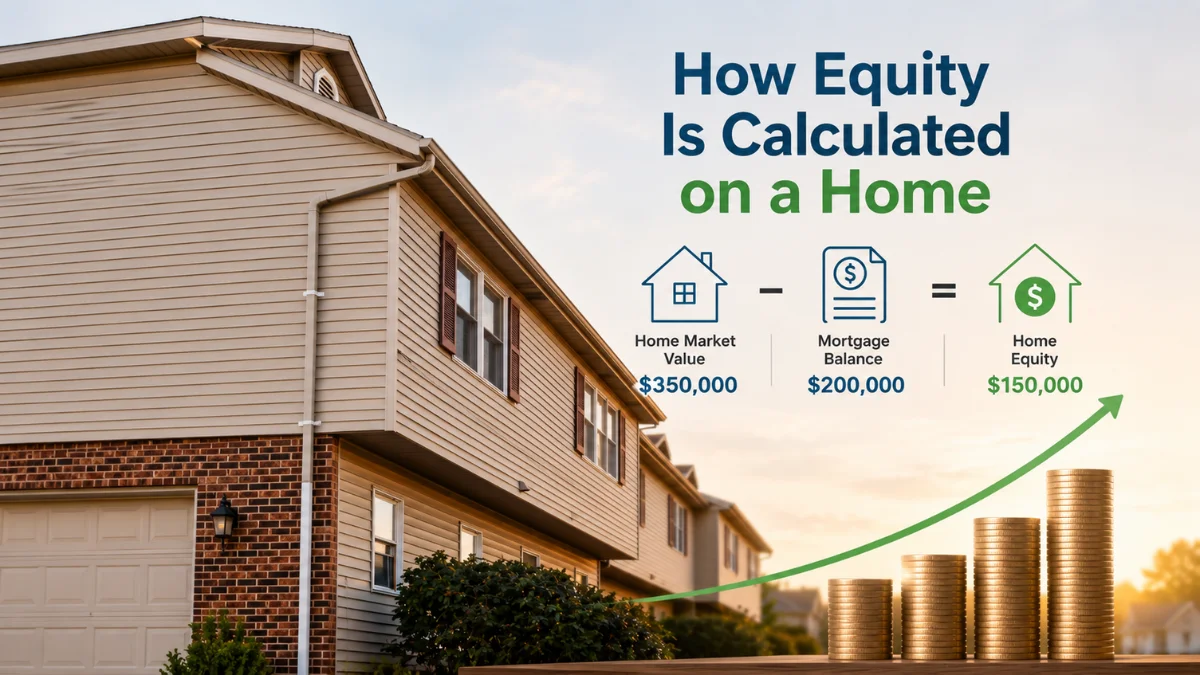
Many first-time buyers accept PMI because it allows them to buy sooner, but they should plan for how and when to remove it. PMI can often be removed once you reach 20% equity, either through payments or appreciation.
Learning when can first-time buyers stop paying PMI can help you save thousands over the years. If you’re paying PMI, it’s also smart to track refinancing opportunities using current refinance rates to see if switching loans could reduce or eliminate it.
Closing Costs and Ongoing Fees Still Matter After Buying
Many buyers think closing costs end after they purchase, but there are still ongoing expenses tied to homeownership.
These include property tax reassessments, insurance adjustments, escrow shortages, and refinancing costs if you change loans later.
Some homeowners also pay for warranties, pest inspections, and annual servicing contracts.
If you refinance later, you may face appraisal fees, origination fees, and title fees again. That’s why homeowners should understand long-term cost planning.
If you’re thinking about refinancing, reading refinance closing costs can help you prepare for the real expenses involved. Refinancing can still save money, but only if you understand the full cost structure.
Emergency Funds and Unexpected Expenses Are Part of Homeownership
Homeowners often face surprise expenses that renters rarely deal with. A broken water heater, a plumbing leak, or a damaged roof can happen at any time.
These emergencies often cost thousands, and if you don’t have savings, they can force you into debt. This is why homeownership is not just about monthly payments, it’s about long-term financial readiness.
This is also why many lenders evaluate your cash reserves when you apply for a mortgage. Homeownership requires stability, not just approval. Buyers should always keep emergency savings separate from down payment funds.
If you’re unsure whether you’re financially ready, using a mortgage eligibility checker can help you evaluate whether your income and financial profile match homeownership requirements.
Frequently Asked Questions
Conclusion
Homeowners pay far more than just the mortgage. Property taxes, insurance, maintenance, utilities, HOA fees, PMI, and unexpected repairs can significantly raise your total monthly housing cost.
These expenses often increase over time, making long-term budgeting essential. The smartest buyers plan for these costs before purchasing so they can enjoy homeownership without financial stress.
For expert mortgage guidance, budgeting tools, refinancing insights, and planning support, visit Mortgage Rates Checker and make smarter homeownership decisions with confidence.