What Is a Down Payment and Why Lenders Require It?
A down payment is one of the first things buyers hear about when shopping for a home, but many first-time buyers don’t fully understand why it matters so much.
Lenders don’t require a down payment just to make buying harder, it exists to reduce risk and prove the buyer has financial stability.
Knowing how down payments work can help you choose the right loan and avoid expensive mistakes.
A mortgage is a secured loan, meaning the home is collateral. If the buyer puts money down, the lender has a safety cushion if home values fall or the borrower defaults.
Down payments also reduce loan-to-value ratio (LTV), which improves approval chances, lowers interest rates, and can eliminate PMI.
A Down Payment Reduces the Amount You Need to Borrow
The most basic purpose of a down payment is to reduce your mortgage loan size. If you buy a $300,000 home and put down $30,000, you only need to borrow $270,000.
That immediately lowers your monthly payment and reduces the total interest you pay over time.
Smaller loan balances also make approval easier because lenders see you as less risky. Borrowing less means you’re less likely to struggle financially if unexpected expenses happen.
Many buyers also use a down payment to stay within safe affordability limits.
If you want to calculate how your down payment affects your payment, using a mortgage calculator with down payment can help you see real monthly cost differences instantly.
Lenders Require Down Payments to Reduce Risk
Lenders require down payments because mortgages are long-term loans, often lasting 15 to 30 years.
If a borrower stops paying, the lender must foreclose and sell the home to recover the loan.
A down payment protects the lender by creating an equity buffer.
For example, if home values drop 10% and you put down only 3%, the lender could lose money if the home is sold in foreclosure.
But if you put down 20%, the lender has a stronger cushion. This is why down payments are tied directly to risk and approval standards.
It also explains why lenders offer better interest rates to buyers who bring more cash upfront.
Keeping track of mortgage rates today can help you see how lenders reward lower-risk borrowers with better pricing.
Down Payments Affect PMI and Monthly Housing Costs
If you put down less than 20% on a conventional loan, lenders usually require PMI (Private Mortgage Insurance). PMI protects the lender, not you, but it increases your monthly payment.
This is one of the biggest reasons down payment size matters.
For many first-time buyers, PMI is the hidden cost that makes a mortgage more expensive than expected. A larger down payment reduces PMI costs or removes PMI entirely.
Buyers who want to plan their long-term budget should understand how PMI works before committing. Learning when can first-time buyers stop paying PMI helps you see how equity growth can remove PMI later.
A larger down payment doesn’t just reduce your loan, it reduces extra monthly costs that don’t build equity.
Down Payment Size Can Influence Your Mortgage Interest Rate
Many buyers assume interest rates are only based on market conditions, but down payment size can influence the rate you qualify for.
Larger down payments often result in better mortgage pricing because lenders see you as a safer borrower. The smaller your loan-to-value ratio, the lower the lender’s risk.
This doesn’t mean you always need 20% down, but it does mean putting more down can lower the cost of borrowing. A slightly lower rate can save tens of thousands over a 30-year mortgage.
If you want to estimate how rate changes impact total cost, using a mortgage rate calculator can help you see the difference in monthly payments and lifetime interest.
Down Payments Prove Financial Discipline and Readiness
Lenders also require down payments because saving money is a sign of financial stability. A buyer who can save for a down payment is more likely to handle ongoing costs like maintenance, insurance, and property taxes.
Down payments are a financial filter that helps lenders reduce the chance of approving borrowers who are not ready for homeownership.
This is especially important because buying a home comes with unexpected costs after closing. If a buyer spends all savings just to purchase the home, they may struggle when repairs or escrow increases occur.
This is why lenders often prefer buyers who have extra reserves beyond the down payment.
If you’re unsure about readiness, using a first-time home buyer readiness checker can help you evaluate whether your finances are strong enough for long-term homeownership.
Low Down Payment Loans Exist, But They Come With Trade-Offs
Many first-time buyers choose low down payment loans such as FHA, VA, or USDA mortgages.
These loans make homeownership possible sooner, but they often come with extra costs like mortgage insurance, stricter property rules, or higher long-term fees.
A low down payment reduces the upfront burden but increases the monthly payment and total loan cost.
This is why buyers should compare loan types before choosing. Some buyers may qualify for no-down-payment options, but they should still evaluate affordability carefully.
If you’re exploring options, reading low down payment mortgage options can help you understand the benefits and risks. Low down payments can be smart, but only when the buyer has stable income and emergency savings.
Down Payments Help Buyers Build Equity Faster
A down payment also gives you instant equity. If you put down 20%, you immediately own 20% of the home. This equity protects you if the market drops and makes it easier to refinance or sell later.
Buyers with small down payments build equity slowly at first because amortization favors interest in early years.
This matters because equity creates financial flexibility. It can help you refinance, remove PMI, or upgrade to a better home later. Many first-time buyers underestimate how important early equity is.
If you’re planning for the future, using a down payment calculator can help you understand how much equity you start with and how it affects your long-term financial strength.
Frequently Asked Questions
Conclusion
A down payment is the upfront money you contribute toward buying a home, and lenders require it to reduce risk, lower the loan amount, and ensure buyers are financially ready.
Down payments impact monthly payments, interest rates, PMI costs, and long-term equity growth. While low down payment options exist, larger down payments usually provide stronger affordability and long-term savings.
To explore down payment options, compare loan scenarios, and calculate your true monthly payment, visit Mortgage Rates Checker and plan your home purchase with confidence.

I create mortgage calculators and simple guides for Mortgage Rates Checker, helping users understand mortgage rates, refinancing, and home loan affordability. Content is for educational purposes only and not financial advice.
More Mortgage Resources

How Mortgage Rates Are Influencing Home Buying Plans This Year
What Is a Down Payment and Why Lenders Require It?

Mortgage Rates Remain a Key Factor in Home Buying Timing
How Extra Mortgage Payments Reduce Long-Term Interest

Mortgage Rates Are Affecting When Buyers Enter the Market
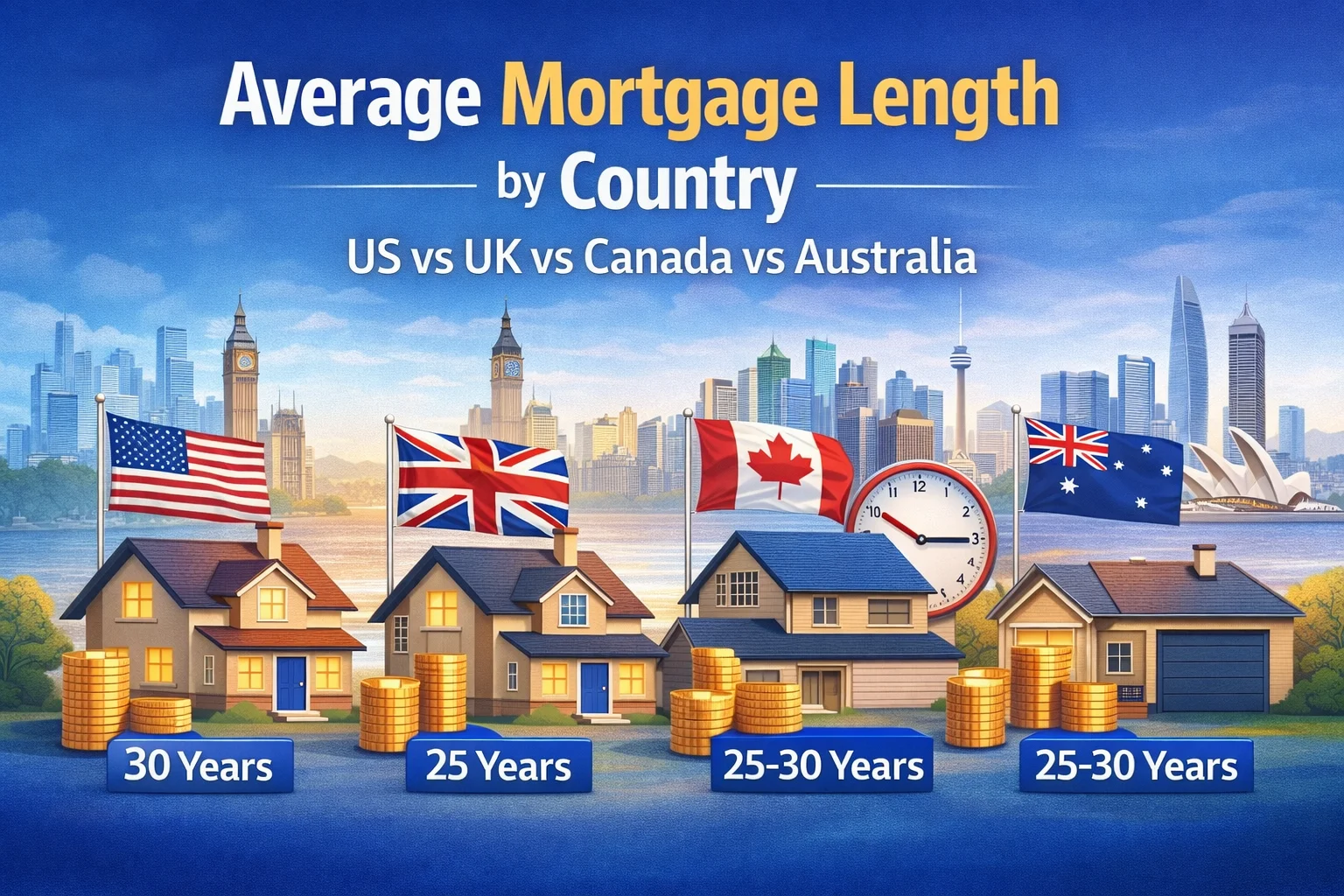
Mortgage Length by Country: US vs UK vs Canada vs Australia (Big Differences Revealed)