What’s Driving Travel Prices Higher Right Now
Travel costs have climbed significantly over the past few years. Learn why travel is so expensive today, what factors are increasing airfare and hotel prices, and practical ways to reduce your travel expenses without sacrificing your experience.
If you’ve recently searched for flights or booked a hotel, you’ve probably wondered, why is travel so expensive right now?
Many travelers are noticing that vacations cost far more than they did just a few years ago. From airline ticket prices to hotel rates, nearly every part of a trip has become more expensive.
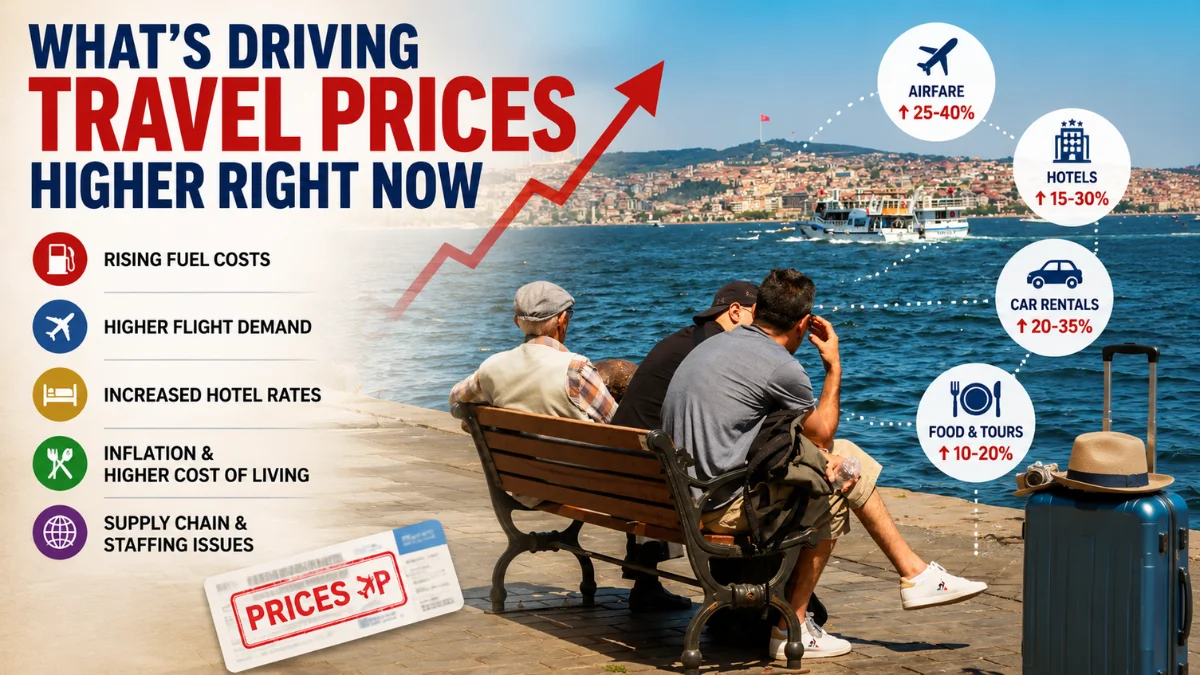
Several factors are driving this trend, including inflation, higher fuel costs, strong travel demand, labor shortages, and increased operating expenses across the tourism industry.
Understanding these reasons can help you make smarter travel decisions, find better deals, and plan a vacation that fits your budget.
Before booking your next vacation, it’s helpful to understand what is actually causing travel prices to increase.
Once you know the biggest cost drivers, you’ll be better prepared to budget wisely, compare options, and avoid paying more than necessary.
Why Is Travel So Expensive Right Now?
The biggest reason travel prices are increasing is simple: demand has grown faster than supply. Millions of people are traveling again for vacations, business trips, and family visits, while airlines, hotels, and tourist destinations are still catching up.
Limited availability allows companies to charge higher prices because travelers are willing to pay.
At the same time, rising operating expenses have pushed businesses to increase prices to remain profitable, making vacations more expensive across both domestic and international destinations.
Why Are Flights So Expensive?
Many travelers ask, why are flights so expensive compared to previous years. Airlines face rising fuel prices, aircraft maintenance costs, airport fees, employee wages, and insurance expenses.
In addition, many airlines still operate fewer flights than before, creating limited seat availability during busy seasons. Popular routes often sell out quickly, allowing airlines to increase airfare.
Booking close to your departure date usually results in even higher airline ticket prices because fewer discounted seats remain available.
Why Are Hotel Prices So High?
Hotel rates increasing across many destinations are another major reason vacations cost more today. Hotels have experienced higher utility bills, labor costs, property maintenance expenses, and insurance premiums.
Popular tourist locations also experience high occupancy during holidays and summer travel, allowing hotels to charge premium prices.
Additional fees such as resort charges, parking, taxes, and service fees can significantly increase your accommodation costs beyond the advertised room price.
How Inflation Continues to Affect Travel Costs
One of the biggest contributors to travel inflation is the rising cost of goods and services across the economy. Restaurants, transportation providers, attractions, and hotels all pay more for supplies, utilities, and employees.
These higher expenses are eventually passed on to travelers through increased prices.
Inflation doesn’t affect just one part of your vacation. it impacts food, local transportation, sightseeing, entertainment, and even souvenirs, making the overall cost of traveling noticeably higher.
Strong Travel Demand Keeps Prices Elevated
People delayed vacations for several years and are now making travel a priority again.
This surge in travel demand means flights, hotels, cruises, and vacation packages are filling up quickly. High demand combined with limited availability naturally pushes prices upward.
Destinations that receive large numbers of tourists during peak seasons often experience the biggest increases, especially when special events, holidays, or school breaks bring even more visitors.
Hidden Travel Expenses Many Travelers Overlook
Beyond airfare and hotel bookings, several smaller expenses contribute to rising travel costs.
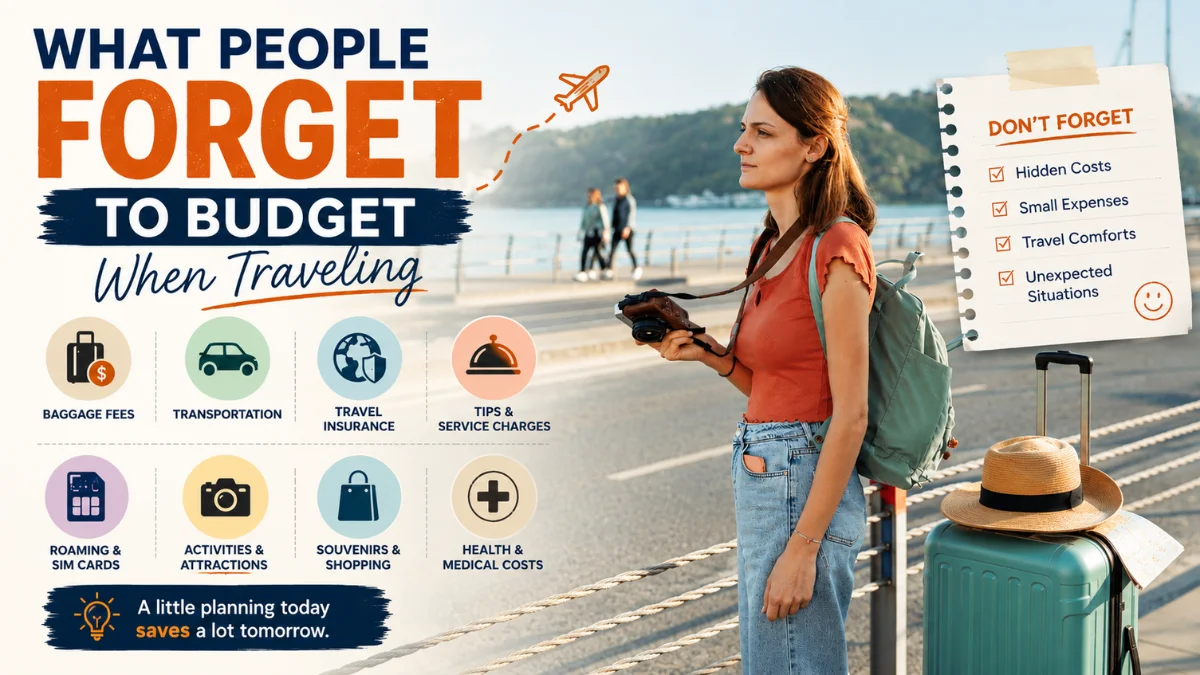
Baggage fees, airport transportation, travel insurance, mobile roaming charges, attraction tickets, meals, currency exchange fees, and local taxes can quickly add hundreds of dollars to your vacation budget.
Creating a complete travel budget before your trip helps you prepare for these hidden travel costs instead of being surprised after you arrive.
How to Reduce Rising Travel Expenses
Although travel has become more expensive, there are still many ways to save money.
Booking flights several months ahead, traveling during off-peak seasons, comparing hotel booking websites, using travel rewards programs, and remaining flexible with travel dates can significantly reduce costs.
Building a dedicated vacation budget before booking also prevents unnecessary spending.
If you’re calculating how much you can comfortably spend, using a Loan Calculator can help estimate affordable borrowing only when absolutely necessary.
Likewise, reviewing a Personal Loan Calculator before financing travel expenses can help you understand potential monthly repayments and make informed financial decisions.
Should You Delay Your Vacation Because Prices Are Higher?
Not necessarily. While vacation costs in 2026 remain higher than many travelers expect, careful planning can still make travel affordable.
Choosing less crowded destinations, setting realistic spending limits, and booking early often provide substantial savings.
Instead of canceling a trip altogether, focus on controlling the expenses you can influence.
Smart planning usually has a greater impact on your overall travel budget than waiting for prices to drop.
Conclusion
Understanding why is travel so expensive helps you prepare for rising travel costs instead of being caught off guard. Higher airfare, hotel rates, inflation, increased travel demand, and operating expenses all contribute to today’s higher vacation prices.
Fortunately, travelers who compare options, budget carefully, and plan ahead can still enjoy memorable trips without overspending.
By making informed financial decisions and keeping an eye on your travel expenses, you can experience more while spending less.

Can you really travel with just $1,000? Yes, but only if you plan smart. Here’s what a $1,000 travel budget actually looks like in 2026.

Travel doesn’t have to break your finances. Learn how to fit trips into a smart financial plan without sacrificing savings or long-term goals.

$0
Estimated Monthly Payment

Check Loan Options with Trusted Providers
*You may be redirected to a partner site. Checking options will not guarantee approval. Terms depend on lender review.*
About Us
We're MortgageRatesChecker, a trusted mortgage information resource focused on helping consumers navigate home buying, refinancing, mortgage rates, and loan options with confidence. We simplify complex mortgage topics through expert-written guides, calculators, and educational content designed to support informed financial decisions. Explore our mortgage calculators, guides, and resources.
Disclaimer
The information provided on MortgageRatesChecker is for educational and informational purposes only and should not be considered financial, legal, tax, investment, or mortgage advice. While we make every effort to keep our content accurate and current, mortgage rates, loan programs, lending requirements, and financial regulations may change without notice. Users should consult qualified professionals and their mortgage lender regarding their specific financial situation before making any borrowing, refinancing, or home-buying decisions. MortgageRatesChecker is not a lender, broker, financial advisor, or government agency.