
Your Money Snapshot
Find out where your money goes, what you can afford, and where you may have opportunities to save or grow your money.
Your Monthly Money
Let's start with the money coming in each month.
Your Essential Expenses
Enter the major expenses you usually pay each month.
Your Lifestyle & Goals
Tell us how you spend money and what you want to achieve.
Your Money Snapshot
Your Money Health
Your Biggest Expense
💡 Your Potential Savings Opportunity
Here's what reducing your lifestyle spending could potentially free up.
📈 What Your Money Could Do Over Time
💼 What If You Earned Extra Money?
See how extra monthly income could change your financial flexibility.
Your Travel Potential
🎯 Your Personalized Money Insights
This tool provides general estimates for educational purposes and is not financial advice. Your actual financial situation may vary.
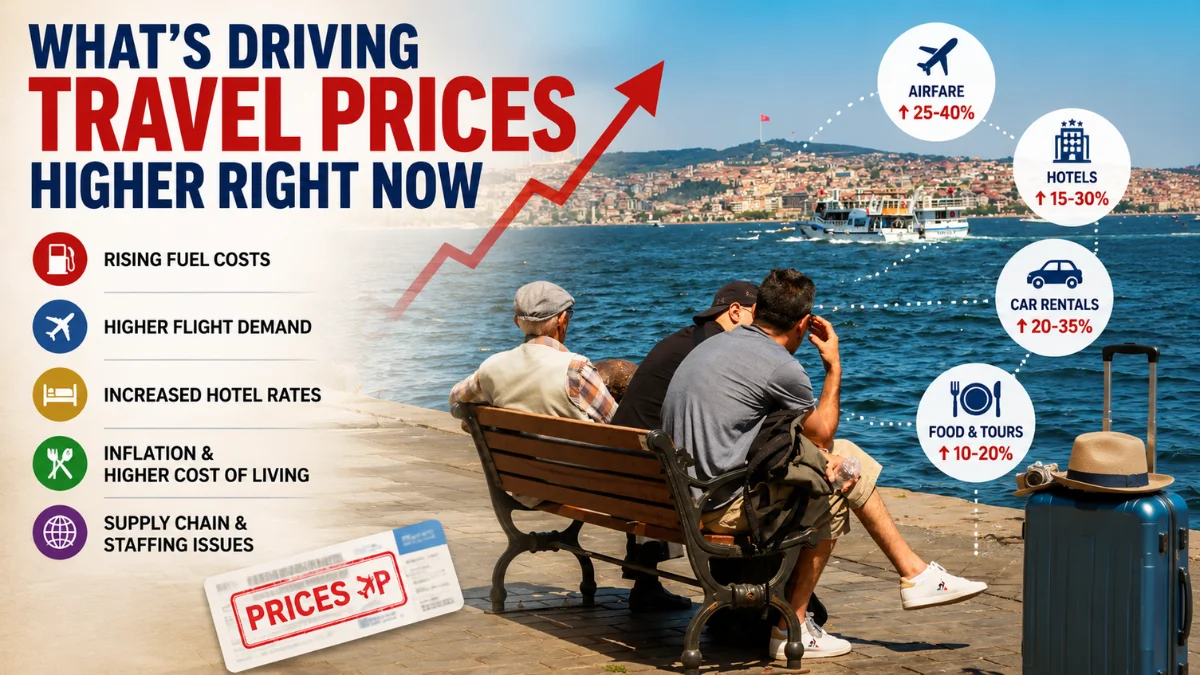
A $1,000 travel budget might sound tight, especially in 2026, where travel costs feel higher than ever. But the truth is, it’s still possible to plan a meaningful trip within that limit if you’re strategic about your choices.
The key isn’t just spending less, it’s spending wisely. When every dollar matters, you start to prioritize what truly adds value to your experience.
Instead of focusing on luxury, a $1,000 budget forces you to travel smarter, plan better, and make decisions that maximize both your money and your overall experience.
Flights: The Make-or-Break Expense
Flights will likely take the biggest portion of your $1,000 budget. For domestic travel, you might spend anywhere from $100 to $300 if you book early and stay flexible.
International flights, however, can easily exceed your entire budget if you’re not careful.
To stay within budget, choosing nearby destinations or using budget airlines is often necessary. Flexibility with travel dates can also help you find cheaper options.
The goal is to keep your flight cost as low as possible because it directly affects how much you have left for everything else.
Accommodation: Budget Stays Are Key
With a limited budget, accommodation needs to be affordable. Hostels, budget hotels, or shared rentals are usually the best options. Expect to spend around $15–$40 per night, depending on the location.
For a 5–7 day trip, this could total $100–$250. Choosing accommodation slightly outside city centers can reduce costs, but you’ll need to balance that with transportation expenses.
Comfort may be basic, but the goal is to keep costs low while still having a safe and convenient place to stay.
Food: Balancing Cost and Experience
Food is one area where you can control your spending more easily. On a $1,000 budget, you might allocate $10–$20 per day, focusing on affordable local meals and avoiding expensive restaurants.
Street food, small local eateries, or simple grocery options can help you stay within budget. While you may not dine in high-end places, you can still enjoy authentic food experiences without overspending. Being mindful of daily spending is essential to make your budget last.
Transportation: Keeping It Simple
Local transportation should be kept minimal to stay within budget. Public transport is usually the most affordable option, costing just a few dollars per day.
Avoiding taxis and ride-sharing services can save a significant amount of money. Walking or using bikes not only reduces costs but also enhances your travel experience. Planning your routes in advance can help you avoid unnecessary expenses.
Activities and Experiences: Choose Carefully
With a $1,000 budget, you won’t be able to do everything but you can still enjoy meaningful experiences. Prioritize free or low-cost activities such as exploring local areas, visiting public attractions, or enjoying nature.
Allocate around $50–$150 for paid activities if needed. The key is to focus on experiences that matter most to you instead of trying to fit everything into your trip. Smart choices here can help you stay within budget without missing out.
Hidden Costs: Don’t Ignore These
Even on a tight budget, hidden costs can quickly add up. Travel insurance, small fees, tips, and unexpected expenses should be considered.
Setting aside $50–$100 for these costs can help you avoid financial surprises.
Many travelers overlook these expenses, which is why they end up exceeding their budget. Planning for them ensures your $1,000 budget remains realistic.
Sample Budget Breakdown
Here’s a simple way your $1,000 travel budget might look:
- Flights: $200–$300
- Accommodation: $150–$250
- Food: $100–$150
- Transportation: $50–$100
- Activities: $50–$150
- Hidden costs: $50–$100
This breakdown shows that staying within $1,000 is possible but it requires careful planning and discipline.
What to Read Next



Why Budget Travel Requires Financial Awareness
Traveling on a tight budget teaches you more about money than you might expect. It forces you to prioritize, plan, and make intentional decisions.
If you’re balancing travel with other financial goals, managing your expenses becomes even more important.
Exploring strategies like personal loan planning, auto loan budgeting, or student loan repayment plans can help you create a more stable financial foundation while still enjoying experiences like travel.
How to Stretch Your Budget Further
To make your $1,000 budget go further, focus on flexibility and planning. Traveling during off-peak seasons, booking early, and avoiding unnecessary expenses can help you save money.
Using tools like a mortgage calculator or budgeting tools can also help you understand your financial limits and plan your trip more effectively. Small adjustments can make a big difference in how far your money goes.
Conclusion
A $1,000 travel budget may not offer luxury but it offers something just as valuable: a smarter, more intentional travel experience.
By focusing on what truly matters and managing your expenses carefully, you can create a meaningful trip without overspending. Travel isn’t about how much you spend, it’s about how well you plan.


Quick Links

Check Loan Options with Trusted Providers
*You may be redirected to a partner site. Checking options will not guarantee approval. Terms depend on lender review.*
About Us
We're MortgageRatesChecker, a trusted mortgage information resource focused on helping consumers navigate home buying, refinancing, mortgage rates, and loan options with confidence. We simplify complex mortgage topics through expert-written guides, calculators, and educational content designed to support informed financial decisions. Explore our mortgage calculators, guides, and resources.
Disclaimer
MortgageRatesChecker provides educational mortgage calculators, loan tools, and financial guides designed to help you better understand home financing. Our content is researched, fact-checked, and regularly updated in accordance with our Editorial Policy, using trusted information from our Data Sources and transparent methodologies explained in How We Calculate. Learn more about our commitment to accuracy on Why Trust Us. This content is provided for informational purposes only and should not be considered financial, legal, tax, investment, or mortgage advice. Mortgage rates, lending requirements, loan programs, and regulations may change without notice. Before making any borrowing, refinancing, or home-buying decision, consult your Bank or Mortgage Lender, licensed financial advisor, tax professional, or attorney based on your individual circumstances. MortgageRatesChecker is an independent educational resource and is not a lender, mortgage broker, financial advisor, or government agency. Please review our Affiliate Disclosure, Advertiser Disclosure, Disclaimer, and Terms & Conditions for additional information.