Your Money Snapshot
Find out where your money goes, what you can afford, and where you may have opportunities to save or grow your money.
Your Monthly Money
Let's start with the money coming in each month.
Your Essential Expenses
Enter the major expenses you usually pay each month.
Your Lifestyle & Goals
Tell us how you spend money and what you want to achieve.
Your Money Snapshot
Your Money Health
Your Biggest Expense
💡 Your Potential Savings Opportunity
Here's what reducing your lifestyle spending could potentially free up.
📈 What Your Money Could Do Over Time
💼 What If You Earned Extra Money?
See how extra monthly income could change your financial flexibility.
Your Travel Potential
🎯 Your Personalized Money Insights
This tool provides general estimates for educational purposes and is not financial advice. Your actual financial situation may vary.
If traveling feels more expensive in 2026, you’re not imagining it.
Many people are noticing that trips now cost significantly more than they did just a few years ago. What used to be a manageable budget now feels stretched, even for short vacations.
The reasons go beyond just higher flight prices, there’s a combination of rising demand, increased service costs, and hidden expenses that quietly add up.
Understanding why travel feels more expensive helps you plan better and avoid the frustration of overspending during your trips.
Rising Flight Prices and Demand
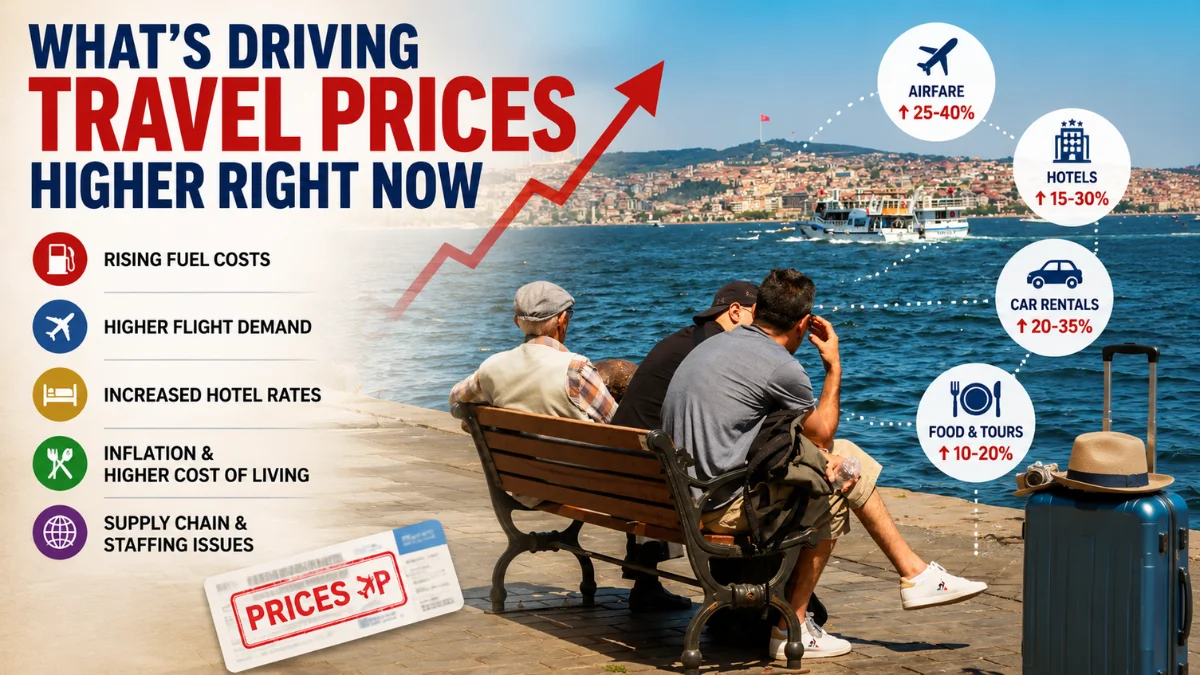
Airfare has become one of the most noticeable increases in travel costs. As demand for travel continues to grow, airlines adjust prices based on availability and peak seasons.
Fuel costs, operational expenses, and increased passenger demand all contribute to higher ticket prices.
Even budget airlines now include fewer services in their base fares, meaning you pay extra for things that were once included.
This shift makes flights feel more expensive, even when the initial ticket price looks reasonable.
Accommodation Costs Are Increasing Everywhere
Hotels and short-term rentals have also seen significant price increases. Popular destinations are experiencing higher demand, which drives up nightly rates.
In addition to higher base prices, many accommodations now include additional fees such as service charges and taxes. Over a multi-day trip, these costs add up quickly.
Travelers often focus on the nightly rate without realizing how much the final total will increase after all fees are included.
Hidden Fees Are More Common Than Before
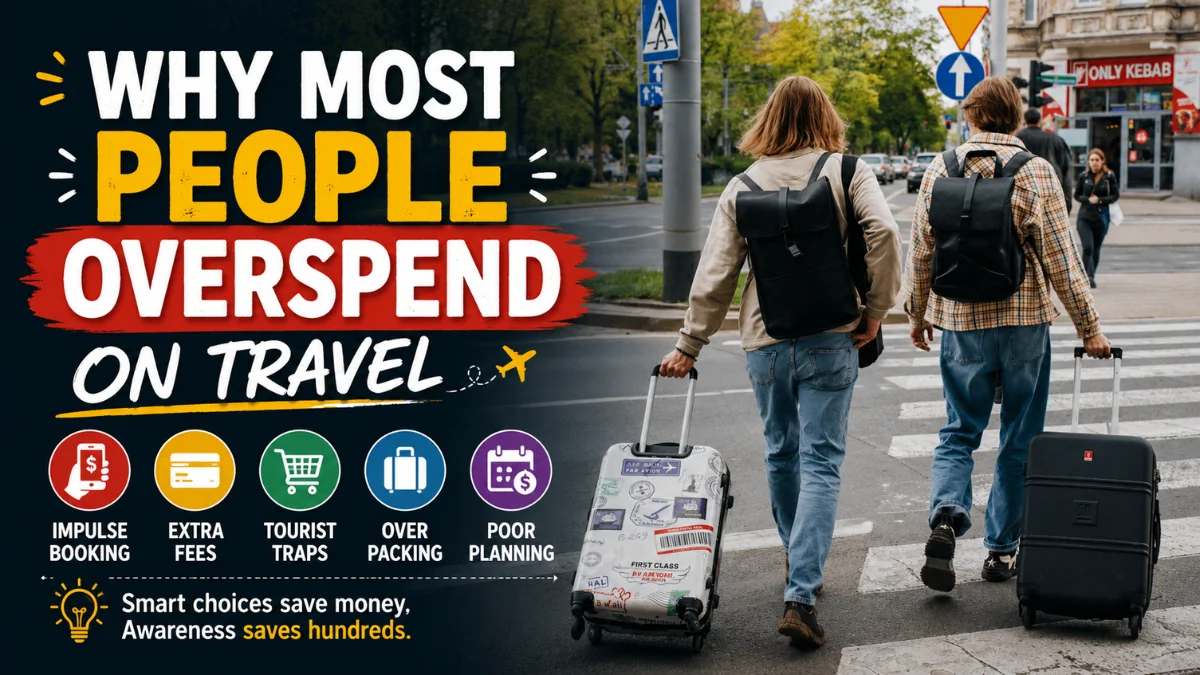
One of the biggest reasons travel feels more expensive is the increase in hidden fees. From airline add-ons to hotel charges, many costs are not visible upfront.
Baggage fees, seat selection, resort fees, and service charges can significantly increase your total spending.
These small charges may not seem significant individually, but together they can make a noticeable difference in your overall budget.
Food and Daily Expenses Have Gone Up
Daily expenses like food, transportation, and small purchases—have also increased. Even simple meals and everyday items now cost more in many destinations.
Tourist areas often have higher prices, which can make everyday spending feel expensive. Because these costs are ongoing throughout your trip, they can quickly exceed your initial budget.
Many travelers underestimate how much they’ll spend on daily expenses, which contributes to the feeling that travel is more expensive.
Currency Fluctuations and Exchange Rates
For international travel, currency exchange rates play a major role in how expensive a trip feels. Changes in exchange rates can make destinations more costly than expected.
Even small differences in currency value can impact your spending power.
Additionally, transaction fees and conversion charges can increase your expenses without you noticing. These factors make international travel more expensive, even if prices in the destination remain the same.
Increased Cost of Experiences and Activities
Activities and experiences are a major part of travel but they’ve also become more expensive. Entry fees, tours, and attractions often cost more due to higher demand and operational costs.
While these experiences are valuable, they can significantly increase your overall spending. Planning and prioritizing activities can help you avoid overspending while still enjoying your trip.
What to Read Next



Economic Factors Affecting Travel Costs
Broader economic factors also play a role in rising travel costs. Inflation, increased wages in the service industry, and higher operational expenses all contribute to higher prices.
These factors affect every part of travel from flights and hotels to food and transportation. Understanding these influences helps explain why travel feels more expensive, even if your travel habits haven’t changed.
How Rising Costs Impact Your Budget
As travel costs increase, your budget needs to adjust accordingly. What worked in the past may no longer be enough to cover your expenses.
This can lead to overspending or financial stress if not planned properly.
Managing your finances effectively becomes even more important. Exploring strategies like personal loan planning, auto loan budgeting, or student loan repayment plans can help you create more room in your budget and manage your expenses more efficiently.
How to Travel Smarter in 2026
While travel may be more expensive, there are still ways to manage your costs. Planning ahead, traveling during off-peak seasons, and being flexible with your options can help reduce expenses.
Using tools like a mortgage calculator or budgeting tools can help you understand your financial limits and plan your trips accordingly.
Small adjustments, like choosing affordable accommodations or limiting unnecessary expenses can make a big difference.
Conclusion
Traveling feels more expensive in 2026 because of a combination of rising costs, hidden fees, and economic factors. While these changes are real, they don’t mean you have to stop traveling.
By understanding what’s driving these costs and planning accordingly, you can still enjoy meaningful travel experiences without financial stress.
The key is awareness and smarter decision-making, so your trips remain enjoyable, not overwhelming.


Quick Links

Check Loan Options with Trusted Providers
*You may be redirected to a partner site. Checking options will not guarantee approval. Terms depend on lender review.*
About Us
We're MortgageRatesChecker, a trusted mortgage information resource focused on helping consumers navigate home buying, refinancing, mortgage rates, and loan options with confidence. We simplify complex mortgage topics through expert-written guides, calculators, and educational content designed to support informed financial decisions. Explore our mortgage calculators, guides, and resources.
Disclaimer
MortgageRatesChecker provides educational mortgage calculators, loan tools, and financial guides designed to help you better understand home financing. Our content is researched, fact-checked, and regularly updated in accordance with our Editorial Policy, using trusted information from our Data Sources and transparent methodologies explained in How We Calculate. Learn more about our commitment to accuracy on Why Trust Us. This content is provided for informational purposes only and should not be considered financial, legal, tax, investment, or mortgage advice. Mortgage rates, lending requirements, loan programs, and regulations may change without notice. Before making any borrowing, refinancing, or home-buying decision, consult your Bank or Mortgage Lender, licensed financial advisor, tax professional, or attorney based on your individual circumstances. MortgageRatesChecker is an independent educational resource and is not a lender, mortgage broker, financial advisor, or government agency. Please review our Affiliate Disclosure, Advertiser Disclosure, Disclaimer, and Terms & Conditions for additional information.