Your Money Snapshot
Find out where your money goes, what you can afford, and where you may have opportunities to save or grow your money.
Your Monthly Money
Let's start with the money coming in each month.
Your Essential Expenses
Enter the major expenses you usually pay each month.
Your Lifestyle & Goals
Tell us how you spend money and what you want to achieve.
Your Money Snapshot
Your Money Health
Your Biggest Expense
💡 Your Potential Savings Opportunity
Here's what reducing your lifestyle spending could potentially free up.
📈 What Your Money Could Do Over Time
💼 What If You Earned Extra Money?
See how extra monthly income could change your financial flexibility.
Your Travel Potential
🎯 Your Personalized Money Insights
This tool provides general estimates for educational purposes and is not financial advice. Your actual financial situation may vary.
Travel is often seen as a reward, a break from routine, a chance to experience something new.
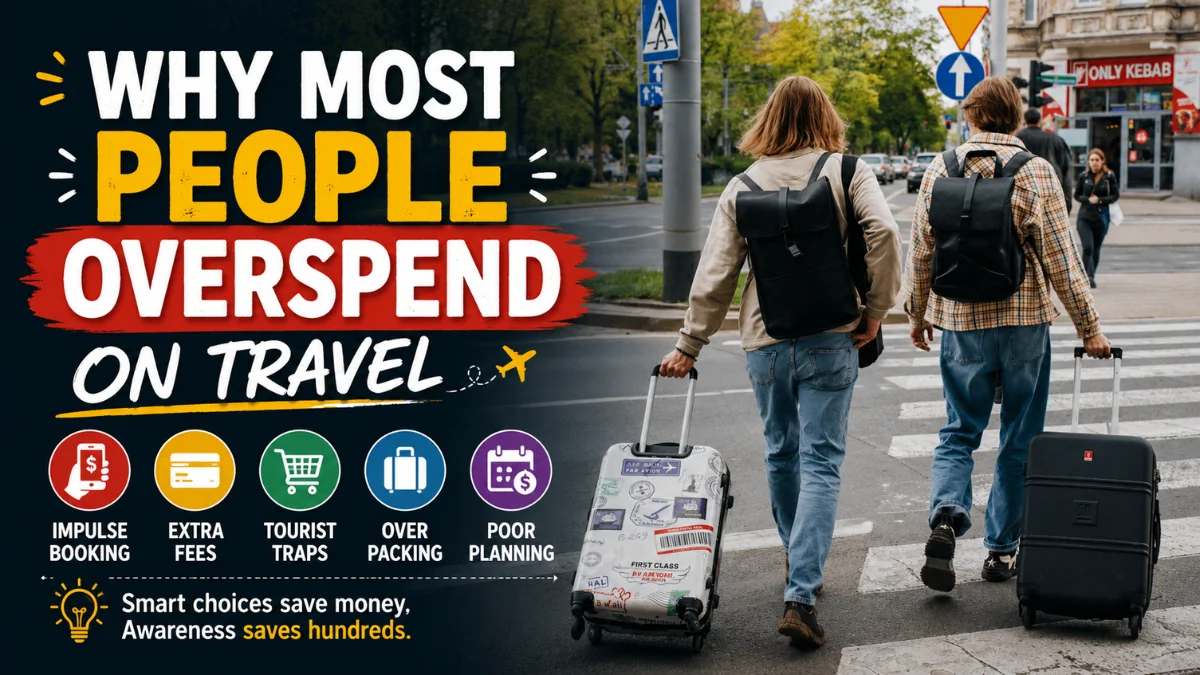
But what many people don’t realize is that travel can quickly turn from a positive experience into a financial burden if it’s not planned carefully.
What starts as excitement can lead to overspending, debt, and stress long after the trip is over.
The problem isn’t travel itself, it’s how it’s managed. Knowing when travel becomes financially risky helps you make smarter decisions so you can enjoy your trip without damaging your financial stability.
When You Start Using Credit Instead of Savings
One of the clearest signs that travel is becoming financially risky is relying on credit instead of savings. If you’re using credit cards or loans to fund your trip, you’re essentially paying for your vacation long after it ends.
Interest charges can significantly increase the total cost of your trip, turning a short experience into a long-term financial obligation.
This approach often leads to stress once you return home and have to manage those payments. Travel should enhance your life, not create financial pressure that lingers for months or even years.
When You Ignore Your Financial Priorities
Travel becomes risky when it takes priority over essential financial goals. If you’re skipping savings, delaying bill payments, or ignoring debt just to afford a trip, it’s a clear warning sign.
Your financial foundation, such as emergency savings and debt management should always come first.
If you’re managing obligations, exploring strategies like personal loan planning, auto loan budgeting, or student loan repayment plans can help you stabilize your finances before planning travel.
Ignoring these priorities can lead to long-term consequences that outweigh the short-term enjoyment of a trip.
When You Underestimate the Total Cost
Many people budget only for flights and accommodation, forgetting about daily expenses, activities, and hidden costs. This underestimation often leads to overspending during the trip.
Food, transportation, tips, and unexpected expenses can add up quickly. Without a realistic budget, you may find yourself spending more than planned.
Understanding the full cost of travel helps you avoid surprises and stay in control of your finances.
When Travel Disrupts Your Monthly Budget
If your trip causes you to struggle with your regular expenses—like rent, bills, or groceries, it’s a sign that it’s financially risky. Travel should fit within your budget, not disrupt it.
When your monthly financial balance is affected, it creates stress and forces you to make adjustments after your trip. This often leads to cutting back on essentials or relying on credit, which can worsen your financial situation.
When You Skip Planning to “Figure It Out Later”
Spontaneous travel can be exciting, but lack of planning often leads to higher costs. Last-minute bookings, limited options, and impulsive decisions can increase your expenses significantly.
Planning ahead allows you to find better deals, allocate funds properly, and avoid unnecessary spending. Without a plan, it’s easy to lose control of your budget and make decisions that negatively impact your finances.
What to Read Next



When You Ignore Opportunity Cost
Every dollar spent on travel is money that could be used elsewhere. While travel is valuable, it’s important to consider what you might be giving up.
For example, that money could go toward savings, investments, or reducing debt. If travel prevents you from making progress in these areas, it may not be the right time. Balancing travel with your long-term goals ensures that your financial growth doesn’t stall.
When Your Fixed Costs Are Already High
If a large portion of your income is already committed to fixed expenses—like housing or loans—travel can become risky more quickly. High fixed costs leave less room for additional spending.
Optimizing these expenses can help create space in your budget. Exploring options through a refinancing guide or understanding your situation with home loan basics explained can help you reduce your monthly burden and make travel more manageable without financial strain.
When You Feel Financial Stress During the Trip
One of the most overlooked signs of risky travel is feeling stressed about money while you’re traveling. Constantly worrying about expenses takes away from the experience and indicates that your budget may not be realistic.
Travel should feel enjoyable and relaxing. If you’re constantly checking your spending or avoiding experiences because of cost, it’s a sign that your trip may be stretching your finances too far.
How to Travel Without Financial Risk
Travel doesn’t have to be risky, it just needs to be planned properly. Start by setting a realistic budget and saving in advance. Avoid using credit and ensure your essential financial priorities are covered.
Using tools like a mortgage calculator or budgeting tools can help you understand your financial situation and plan better. Small adjustments like optimizing your expenses or choosing more affordable options can make travel more sustainable.
Conclusion
Travel becomes financially risky when it’s not aligned with your financial reality. Whether it’s relying on credit, ignoring priorities, or underestimating costs, these mistakes can turn a great experience into long-term stress.
By planning carefully and making intentional decisions, you can enjoy travel without compromising your financial stability. The goal isn’t to avoid travel, it’s to travel in a way that supports your life, not disrupts it.


Quick Links

Check Loan Options with Trusted Providers
*You may be redirected to a partner site. Checking options will not guarantee approval. Terms depend on lender review.*
About Us
We're MortgageRatesChecker, a trusted mortgage information resource focused on helping consumers navigate home buying, refinancing, mortgage rates, and loan options with confidence. We simplify complex mortgage topics through expert-written guides, calculators, and educational content designed to support informed financial decisions. Explore our mortgage calculators, guides, and resources.
Disclaimer
MortgageRatesChecker provides educational mortgage calculators, loan tools, and financial guides designed to help you better understand home financing. Our content is researched, fact-checked, and regularly updated in accordance with our Editorial Policy, using trusted information from our Data Sources and transparent methodologies explained in How We Calculate. Learn more about our commitment to accuracy on Why Trust Us. This content is provided for informational purposes only and should not be considered financial, legal, tax, investment, or mortgage advice. Mortgage rates, lending requirements, loan programs, and regulations may change without notice. Before making any borrowing, refinancing, or home-buying decision, consult your Bank or Mortgage Lender, licensed financial advisor, tax professional, or attorney based on your individual circumstances. MortgageRatesChecker is an independent educational resource and is not a lender, mortgage broker, financial advisor, or government agency. Please review our Affiliate Disclosure, Advertiser Disclosure, Disclaimer, and Terms & Conditions for additional information.