
When buying a home, one of the first questions buyers ask is how long a home loan usually lasts.
The loan term affects your monthly payment, total interest costs, and how quickly you build equity.
Understanding typical mortgage lengths can help you choose a loan that fits your budget and long-term financial goals.
Home loan terms are designed to balance affordability and repayment speed. Longer terms lower monthly payments but increase total interest.
Shorter terms raise monthly costs but reduce interest and build equity faster.
Borrowers choose loan length based on income, lifestyle, and long-term homeownership plans.
Most Common Home Loan Terms in the U.S.
In the U.S., the most common home loan term is the 30-year mortgage. Many buyers choose it because it provides the lowest monthly payment compared to shorter terms.
Another popular option is the 15-year mortgage, which offers faster payoff and much lower total interest.
Some lenders also offer 10-year, 20-year, and 25-year mortgages. These loan lengths allow borrowers to choose a balance between monthly affordability and long-term savings.
If you want to compare payment differences across loan terms, using a mortgage calculator is one of the easiest ways to see how long-term cost changes.
Why 30-Year Home Loans Are So Popular
Thirty-year home loans are popular because they reduce the monthly payment by spreading the loan balance over more years.
This makes it easier for buyers to qualify, especially in expensive housing markets. A lower payment also gives homeowners more flexibility for other expenses like property taxes, repairs, and savings.
The downside is that borrowers pay significantly more interest over the life of the loan.
Many first-time buyers choose a 30-year mortgage because they want affordability today, even if it means paying more long-term.
Before choosing, it’s smart to compare payments using a 30-year mortgage calculator.
What To Read Next



How a 15-Year Home Loan Changes Your Total Cost
A 15-year home loan usually has higher monthly payments, but it saves a huge amount of money in long-term interest.
Since the loan is paid off faster, more of each payment goes toward principal instead of interest.
This means homeowners build equity much faster and own their home sooner. A 15-year loan can be a strong choice for buyers with stable income and enough budget flexibility.
However, the higher monthly payment can reduce financial comfort, so buyers must be sure they can handle the payment long-term. Comparing loan terms with a 15-year mortgage calculator helps clarify the tradeoff.
What Loan Term Is Best for First-Time Home Buyers?
For most first-time buyers, the best loan term is often the one that keeps monthly payments manageable while leaving room for other life expenses.
Many first-time buyers choose 30-year loans because they are easier to qualify for and provide flexibility.
However, some buyers choose 20-year or 25-year terms to save interest without increasing payments as much as a 15-year loan.
The right choice depends on your income stability, future plans, and comfort level.
If you’re unsure about your financial readiness, using a first-time home buyer readiness checker can help you understand what loan term is realistic.
How Loan Length Affects Monthly Payments
The longer your loan term, the lower your monthly payment. That’s because the loan balance is spread out across more years.
However, longer terms also mean you pay interest for a longer time, which increases the total cost of the loan.
Shorter terms increase your payment but reduce interest costs significantly. Buyers should not focus only on the monthly payment.
Instead, they should compare both the monthly cost and the total interest paid. A mortgage interest calculator can help you see how much extra interest you pay when choosing a longer loan term.
How Loan Term Impacts Equity Building
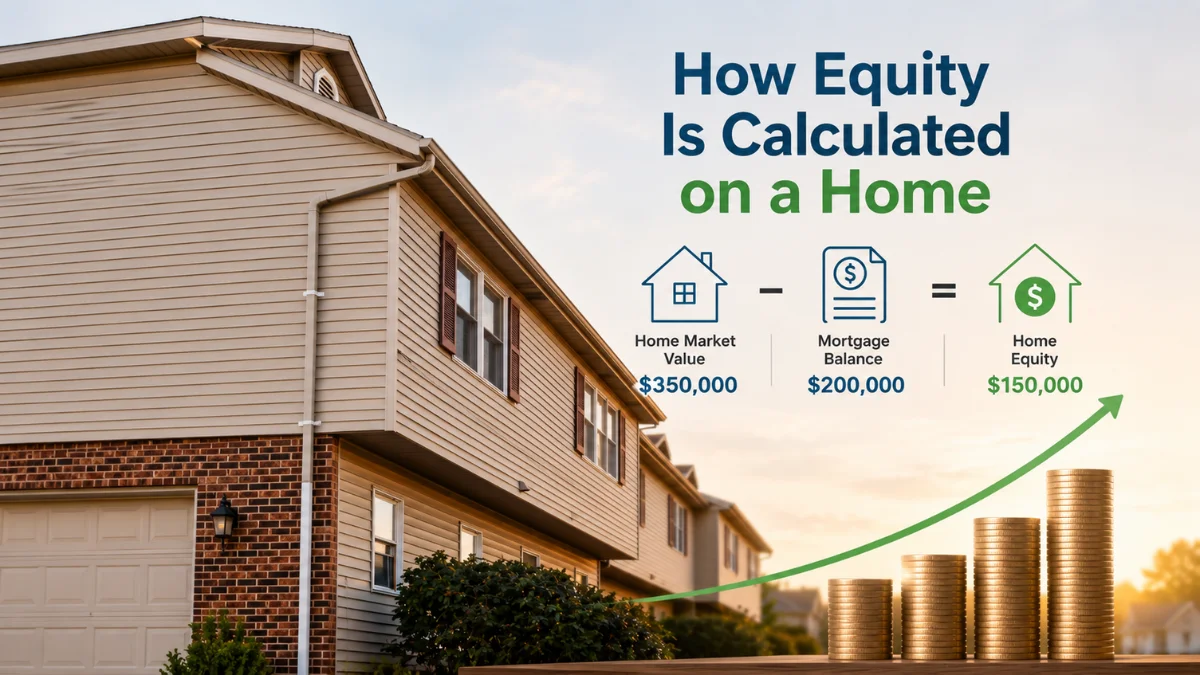
Loan term affects how fast you build equity. With shorter loans, a larger portion of each payment goes toward principal, so equity grows faster.
With longer loans, early payments mostly go toward interest, which slows equity growth.
This is why many homeowners build equity slowly in the first few years of a 30-year mortgage. Faster equity building can be important if you plan to refinance, sell, or remove PMI sooner.
If you want to speed up equity growth without changing loan terms, making extra payments can help. A mortgage calculator with extra payments can show how much faster you can pay off your loan.
Can You Pay Off a 30-Year Mortgage Early?
Yes, many homeowners pay off 30-year mortgages early by making extra payments. Even small extra payments toward principal can shorten the loan term and reduce interest costs.
Some homeowners make one extra monthly payment per year, while others round up payments monthly.
Paying early can be a smart wealth-building strategy, but it’s important to maintain emergency savings and avoid financial strain.
Borrowers should also check whether their loan has a prepayment penalty, although most modern mortgages do not. If you want to see the payoff impact, an amortization schedule is very helpful.
How Refinancing Changes Your Loan Term
Refinancing replaces your existing mortgage with a new loan. Many homeowners refinance to lower their interest rate, but refinancing can also change the loan length.
For example, refinancing into a new 30-year loan can reduce monthly payments but extend repayment time.
Refinancing into a 15-year loan can speed payoff and reduce interest, but it increases monthly cost.
Refinancing can be a smart decision only if the savings exceed the costs. That’s why homeowners should always calculate break-even timing using a refinance break-even calculator before committing.
Frequently Asked Questions
Conclusion
A typical home loan lasts 15 to 30 years, with 30-year mortgages being the most common option for U.S. homebuyers.
Shorter terms like 15 or 20 years can save thousands in interest and build equity faster, but they require higher monthly payments.
The best loan term depends on your income, lifestyle, and long-term plans.
For more mortgage tools and planning resources, visit Mortgage Rates Checker to explore calculators and homebuyer guidance.