
A monthly mortgage payment is more than just paying back the loan.
Many first-time buyers focus only on the interest rate and home price, but the real monthly payment often includes several other costs.
Understanding what makes up a monthly mortgage payment is essential because it helps you budget correctly and avoid surprises after closing.
Mortgage payments are designed to repay the loan over time while protecting the lender.
Principal reduces your debt, interest is the lender’s profit, and escrow items like taxes and insurance ensure the home stays protected and taxes are paid.
This structure keeps the loan secure for both the lender and homeowner.
Principal Is the Portion That Builds Your Home Equity
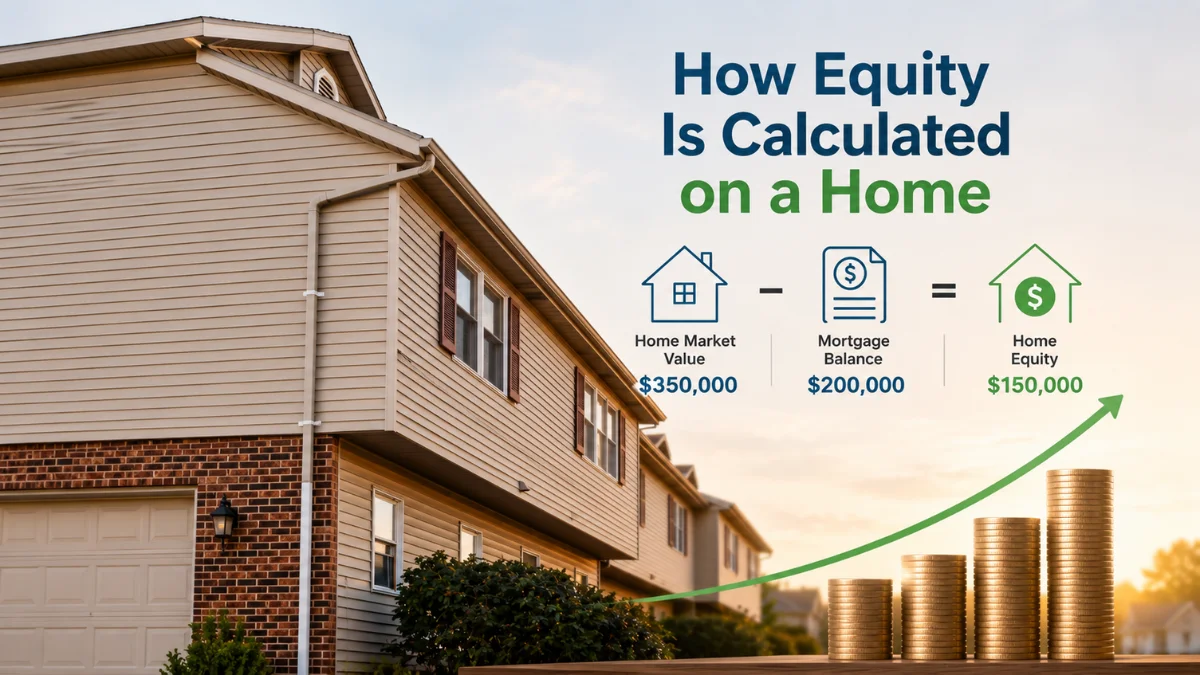
Principal is the part of your mortgage payment that goes toward reducing your loan balance. Every time you pay principal, you own more of the home.
This is how homeownership builds wealth over time. However, many buyers are surprised that principal payments are small in the early years of a mortgage.
That’s because mortgages follow an amortization schedule. Early payments go mostly toward interest, and principal increases later. This is why the first few years feel like you’re “not making progress,” even though you are.
If you want to see how principal grows over time, using an amortization calculator is one of the best ways to understand how your monthly payment gradually shifts from interest to equity.
Interest Is the Cost of Borrowing Money From the Lender
Interest is what the lender charges you for borrowing the money. This is the biggest cost of the loan over time, especially on a 30-year mortgage.
Interest is calculated based on your loan balance and your mortgage interest rate. A higher rate means a higher monthly payment and much more total cost over the life of the loan.
Interest is why even a small change in rate can make a huge difference. That’s why buyers pay close attention to market trends.
Monitoring mortgage rates today helps buyers understand whether rates are rising or falling.
If you want to estimate how rate changes affect monthly payments, a mortgage rate calculator can show how much a 0.5% difference impacts your budget long-term.
What To Read Next



Property Taxes Are Often Included Through Escrow
Property taxes are usually paid as part of your monthly mortgage payment through an escrow account. Instead of paying taxes once or twice a year, your lender collects a portion monthly and pays the bill when it’s due.
This is convenient, but it can also cause surprises because property taxes can rise over time.
If your local tax assessment increases, your monthly mortgage payment can go up even if your loan has a fixed interest rate.
This is why some homeowners feel their “mortgage payment” increased even though their loan didn’t change.
Understanding how property taxes affect your mortgage payment helps buyers plan for these increases. Property taxes are a major long-term cost that can affect affordability more than people expect.
Homeowners Insurance Protects the Home and Is Usually Required
Homeowners insurance is another cost commonly included in the monthly payment. Lenders require insurance to protect the property from damage like fire, storms, theft, or liability claims.
Like property taxes, insurance is often paid through escrow so the lender ensures coverage stays active.
Insurance premiums can rise over time due to inflation or local disaster risk changes. In some regions, insurance has increased dramatically in recent years, which increases monthly payments.
Buyers should always shop around for insurance quotes before closing.
If you want a more realistic estimate of your total monthly payment, a mortgage calculator with taxes and insurance is better than a basic mortgage calculator because it includes these important real-world costs.
PMI Is Added When Your Down Payment Is Below 20%
PMI (Private Mortgage Insurance) is an extra monthly cost required on many conventional loans when the down payment is less than 20%.
PMI protects the lender if you default. It does not protect the buyer, but the buyer pays for it. PMI costs vary depending on credit score and loan size, and it can add $50 to $300+ per month.
Many first-time buyers are surprised by PMI because it increases the monthly payment significantly. The good news is PMI is not always permanent. It can often be removed once you reach enough equity.
Learning when can first-time buyers stop paying PMI can help you plan how long PMI will last and how to remove it faster.
HOA Fees Are Often Separate but Still Part of Total Monthly Housing Cost
If you buy in a condo, townhouse, or HOA community, you may pay HOA fees. These are not technically part of your mortgage payment, but they are part of your total monthly housing cost.
HOA fees cover shared services like landscaping, building maintenance, pools, or security.
HOA fees can range from $100 to $800+ per month depending on the community. Some HOAs also charge special assessments, which are large one-time fees for major repairs.
Buyers should always factor HOA costs into affordability. Using a mortgage affordability calculator helps you see whether your income supports the mortgage payment plus HOA costs comfortably.
Escrow Shortages Can Increase Your Payment Unexpectedly
Many homeowners don’t realize their mortgage payment can change even with a fixed interest rate because of escrow adjustments.
If property taxes or insurance increase, your escrow account may come up short.
When that happens, your lender raises your monthly payment to cover the shortage.
This can cause a big payment jump, sometimes $100 to $400+ per month. Escrow adjustments are common and are one of the reasons homeowners feel their costs rise over time.
This is why buyers should always leave room in their budget for payment changes. If you’re planning your mortgage payment safety level, reading what monthly mortgage payment is safe for me can help you avoid buying too close to your financial limit.
Frequently Asked Questions
Conclusion
A monthly mortgage payment is made up of principal and interest, plus property taxes and homeowners insurance (PITI).
Many homeowners also pay PMI, HOA fees, and escrow adjustments depending on their loan type and location.
Understanding every part of your payment helps you budget realistically and avoid surprises after closing. The smartest buyers calculate the full monthly cost before purchasing, not just the loan payment alone.
To estimate your real monthly mortgage payment and explore tools that simplify the process, visit Mortgage Rates Checker and plan your home purchase with confidence.