Refinance for Home Improvements: Is It Worth It?
Using a refinance to pay for home improvements sounds logical: your home needs work, you have equity, and mortgage..
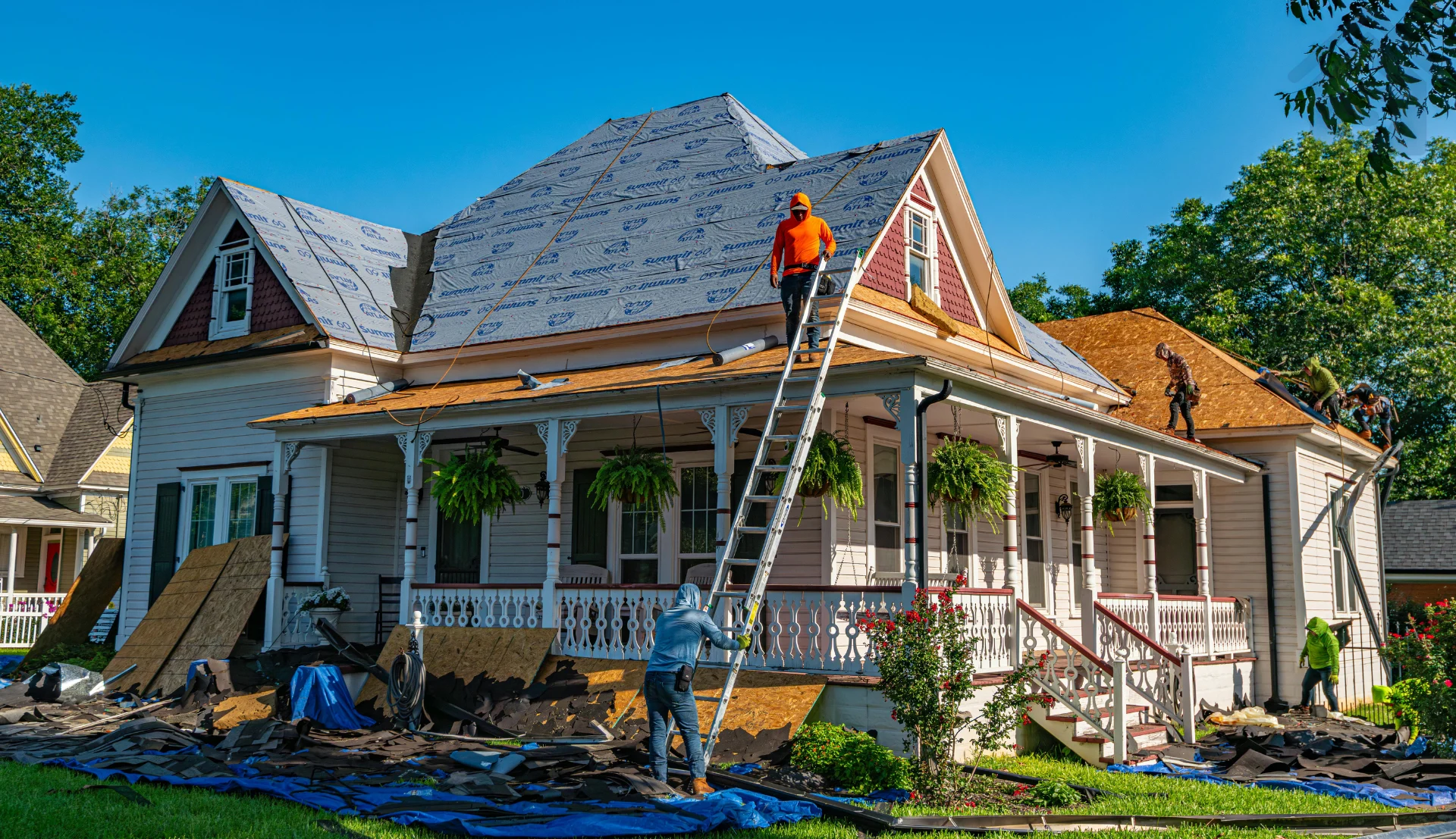
Using a refinance to pay for home improvements sounds logical: your home needs work, you have equity, and mortgage rates are usually lower than credit cards or personal loans.
Sometimes this move absolutely makes sense. Other times, it quietly increases your debt, stretches your loan timeline, and delivers less value than expected.
The key question isn’t can you refinance for renovations, it’s whether doing so actually improves your financial position.
This guide walks through when refinancing for home improvements is worth it, when it’s risky, and how to decide using real numbers instead of optimism.
How Refinancing for Home Improvements Works
Most homeowners fund renovations through a cash-out refinance. This means replacing your existing mortgage with a larger one and taking the difference in cash to pay for upgrades.
It’s a form of refinancing your mortgage, but instead of focusing on rate savings, the goal is accessing equity.
The trade-off is important: you’re converting renovation costs into long-term, home-secured debt. That can be smart if the improvements add value or stability and risky if they don’t.
When Refinancing for Home Improvements Makes Sense
Refinancing can be a smart tool when it strengthens both your home and your finances.
Improvements That Add Real Value
Renovations that improve functionality, safety, or resale value like roof replacement, structural repairs, energy efficiency upgrades, or kitchen and bathroom improvements are often strong candidates.
In these cases, homeowners evaluate mortgage cash-out refinance risks and benefits and find the equity reinvestment reasonable.
You’re Replacing High-Interest Financing
If the alternative is credit cards, personal loans, or contractor financing with high interest rates, refinancing can dramatically reduce interest costs.
Comparing cash-out refinance rates to unsecured debt rates often reveals meaningful savings.
You Plan to Stay in the Home
Refinancing works best when you’ll stay long enough to recover closing costs and benefit from the improvements. Short-term ownership often makes refinancing less attractive.
When Refinancing for Renovations Is Risky
This strategy becomes risky when the numbers don’t support it.
Cosmetic or Lifestyle Upgrades
Using equity for purely cosmetic upgrades luxury finishes, trendy designs, or non-essential features rarely adds enough value to justify long-term debt.
You may enjoy the upgrade, but you’re still paying for it decades later.
Resetting a Very Low Mortgage Rate
If your current mortgage rate is significantly lower than today’s rates, refinancing to fund improvements could increase your overall borrowing cost.
Always compare mortgage refinance rates against your existing loan before assuming refinancing saves money.
Refinance vs Other Ways to Pay for Home Improvements
Refinancing isn’t the only option and sometimes it’s not the best one.
Refinance vs Home Equity Loan
A home equity loan lets you keep your original mortgage and add a second loan for renovations.
In some cases, comparing refinance vs home equity loan options shows that preserving a low first-mortgage rate saves more money overall.
Refinance vs HELOC
HELOCs work well for renovations done in phases, but usually come with variable rates.
Homeowners weighing refinance vs HELOC often decide based on whether they want payment certainty or short-term flexibility.
How Renovation Costs Affect Long-Term Value
One of the biggest mistakes homeowners make is assuming all renovations “pay for themselves.”
Not All Improvements Increase Home Value
Some upgrades improve livability but don’t increase resale value proportionally. If the improvement doesn’t raise value or reduce future expenses, refinancing may not be financially justified.
Long-Term Interest Adds Up
Spreading renovation costs over a 30-year mortgage can significantly increase the total cost of the project. That’s why comparing total interest not just monthly payment is critical.
What Lenders Look At When Refinancing for Improvements
Lenders don’t care what you’re improving, they care whether you can afford the new loan. They evaluate:
- Credit score and payment history
- Debt-to-income ratio
- Home equity after cash-out
- Income stability
Understanding what lenders look at for refinance approval helps you determine whether refinancing will improve your situation or simply add pressure.
How to Decide If Refinancing Is Worth It
Before refinancing for home improvements, ask:
- Will this increase my home’s value or reduce future costs?
- Am I comfortable turning this project into long-term debt?
- Does the refinance still work if rates or income change?
- How long will it take to break even on closing costs?
Many homeowners run scenarios using a refinance calculator to test best- and worst-case outcomes instead of relying on estimates.
Conclusion
Refinancing for home improvements can be worth it when the upgrades add real value, replace expensive debt, and fit within a long-term plan.
It becomes risky when renovations are purely cosmetic, rates are higher than your current loan, or the refinance stretches your finances thin.
The smartest refinances are driven by numbers and purpose not just the desire to upgrade.
If the improvements strengthen your home and your financial stability, refinancing can make sense. If not, a smaller loan or waiting is often the better move.
Mortgage Calculator
Recommended Mortgage Tools
Refinance Break-Even Calculator
See how long it takes to recover refinance costs.
Debt-to-Income Ratio Calculator
Check if your income supports mortgage approval.
Refinance Readiness Checker
Find out if now is the right time to refinance.
Mortgage Eligibility Checker
Quickly see if you qualify for a home loan.
First-Time Buyer Readiness
Know if you're ready to buy your first home.
Mortgage Pre-Approval Calculator
Estimate how much you can borrow instantly.
Next Read
Featured Mortgage Insights
Mortgage rates are increasingly influencing how households plan monthly budgets as borrowing costs directly affect housing payments. Buyers are carefully evaluating interest rate impact to ensure mortgage commitments fit within long-term financial stability and everyday expenses.

Featured Mortgage Insights
Mortgage rates play a critical role in shaping long-term homeownership decisions by influencing affordability, loan structure, and future financial planning. Buyers increasingly consider how interest rates affect lifetime costs and financial stability before committing to a mortgage.
Featured Mortgage Insights
Mortgage rates combined with elevated home prices are creating new affordability challenges for buyers. Rising borrowing costs and property values are forcing households to reassess budgets, adjust expectations, and plan home purchases more carefully than before.



About the Author: Ratiranjan Singha

Don’t Miss These